Get your free personalized podcast brief
We scan new podcasts and send you the top 5 insights daily.
The debate over surveillance tech is often split along socioeconomic lines. Affluent citizens with private security tend to prioritize privacy, while residents of less safe communities strongly support tools like Flock because they lack other means of protection. This reveals a "safety privilege gap" influencing views on public surveillance.

Related Insights
Traditional security systems (alarms, gates) protect individuals but don't create a sense of community safety. Flock Safety was built on the premise that since people's fear of crime is communal, the security infrastructure must also be built for the entire community, not just for individual homes.

When communities object to surveillance technology, the stated concern is often privacy. However, the root cause is usually a fundamental lack of trust in the local police department. The technology simply highlights this pre-existing trust deficit, making it a social issue, not a technical one.

The movement to defund the police doesn't eliminate the need for security; it just shifts the burden. Wealthy individuals and communities hire private security, while poorer communities, who are the primary victims of crime, are left with diminished public protection.
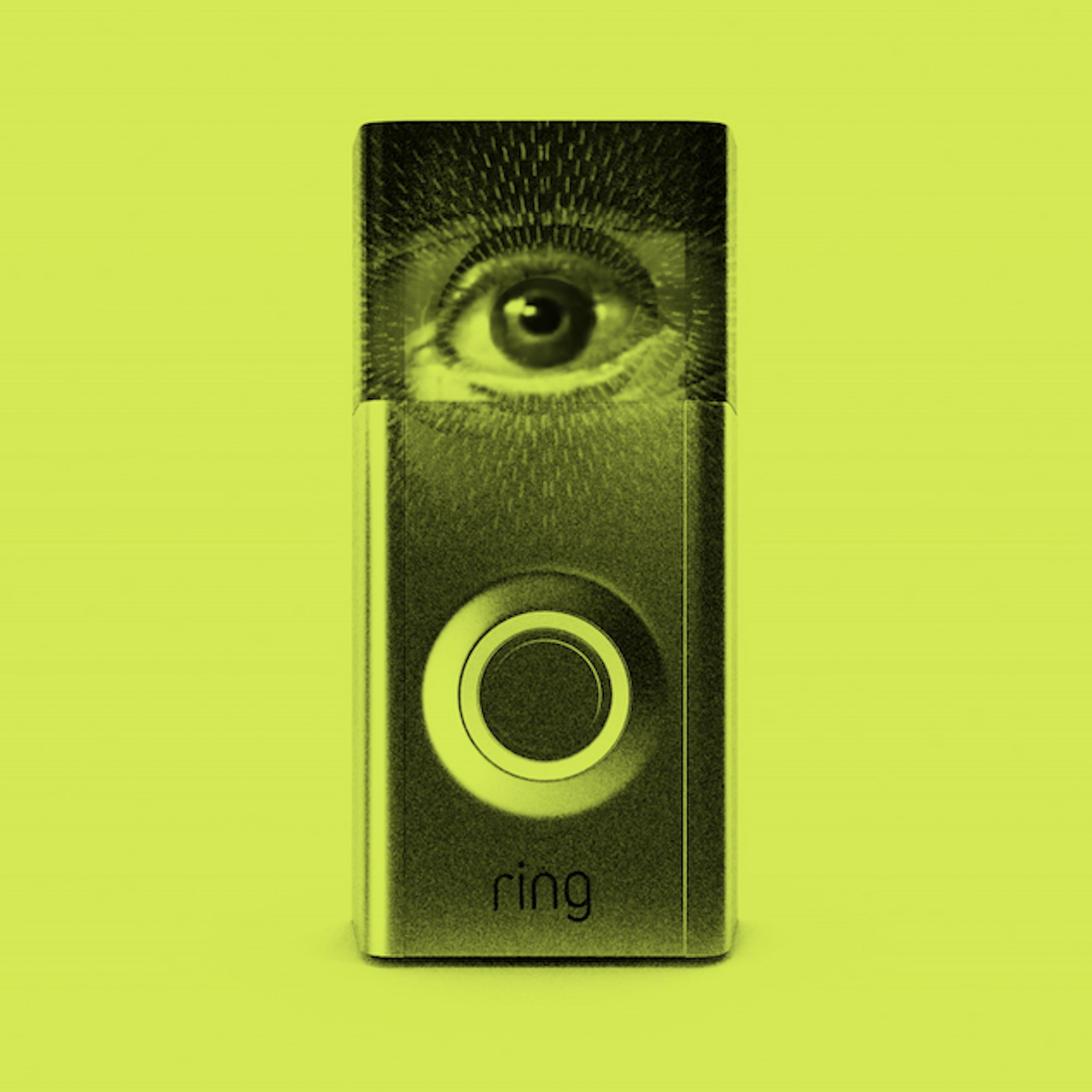
The podcast highlights a core paradox: widespread fear of corporate surveillance systems like Ring coexists with public praise for citizens using identical technology (cell phones) to record law enforcement. This demonstrates that the perceived controller and intent, not the technology itself, dictate public acceptance of surveillance.
AI-powered tools like Flock Safety are so effective that reducing crime is now a political choice for municipalities, not a technological one. Cities like Cambridge are actively choosing to disable tools like gunshot detectors, creating a pro- or anti-crime policy divide.

The debate over Flock's license plate readers highlights a societal contradiction. Citizens broadly oppose mass surveillance on privacy grounds but demand the use of these exact tools to solve crimes after they occur, creating a constant policy tension.

To counter surveillance concerns with features like finding lost dogs or tracking wildfires, Ring frames them as optional community initiatives. Users are explicitly asked to participate, allowing the company to build a "better social fabric" while respecting that individuals can, and should, maintain their privacy.

Ring founder Jamie Simenoff described his AI's goal as replicating a neighborhood with all-knowing private security. Instead of conveying safety, host Nilay Patel immediately challenged this vision as a "dystopian" nightmare, revealing a stark disconnect between a founder's intent and public perception of surveillance technologies.
Critics argue that automated policing tools like ShotSpotter are racist because they disproportionately affect disadvantaged groups. This argument overlooks the fact that the victims of violent crime are also disproportionately from these same communities, creating a political paradox where protecting one group harms it in another way.
Most people dismiss data privacy concerns with the "I have nothing to hide" argument because they haven't personally experienced negative consequences like data theft, content removal, or deplatforming. This reactive stance prevents proactive privacy protection.
