Get your free personalized podcast brief
We scan new podcasts and send you the top 5 insights daily.
Analysis of OECD data reveals that, contrary to a "brain drain" narrative, British emigration rose before Brexit as citizens used their last chance for free movement. After 2021, outflows experienced a "cliff edge" drop, demonstrating that Brexit had a restrictive, rather than motivating, effect on Britons leaving the country.

Related Insights
A shrinking labor force, driven by retiring Baby Boomers and restrictive immigration policies, could offset job losses caused by AI. This dynamic means the official unemployment rate might remain stable even if total employment declines, creating a misleading picture of labor market health.

While one-third of construction workers are non-native born, restrictive immigration policy's impact is currently muted by a cyclical decline in building. This temporary relief masks a structural labor shortage that will become a major constraint as the market recovers in 2026-2027.
In a counter-intuitive argument, the UK's Home Secretary, herself the daughter of immigrants, posits that restricting immigration is necessary to protect social harmony. The theory is that a perceived lack of control fuels public panic and racism, so tightening controls will calm tensions and ultimately shore up multiculturalism.

Data from 2004-2023 reveals low unemployment in occupations that heavily utilize H-1B visas, such as tech and engineering. This suggests that foreign workers are filling a talent gap rather than displacing a large number of available American workers, challenging the narrative that immigration is a primary cause of job loss in these sectors.

Reports of a mass exodus from Britain are based on a misunderstanding of official statistics. A 2021 switch in methodology—from flawed airport surveys to more reliable tax and benefits data—created a statistical discontinuity that falsely suggests a recent surge in emigration when none exists.
The declining power of US and UK passports reveals a direct correlation: when rich countries tighten their own travel and immigration rules, other nations reciprocate. This "insular turn" constrains the travel freedom of their own citizens, causing their passports to fall in global rankings.

Immigration policy must account for economic incentives. Unlike in the past, modern welfare states make immigration an economically rational choice for survival, not just opportunity. This shifts the dynamic, attracting individuals based on benefits rather than a desire to contribute without a safety net.

Despite claiming growth is its top mission, the UK government is pursuing anti-growth measures. These include making permanent residency harder to obtain, which limits skilled migration, and passing employment bills that increase the difficulty and cost of hiring, directly undermining business expansion.
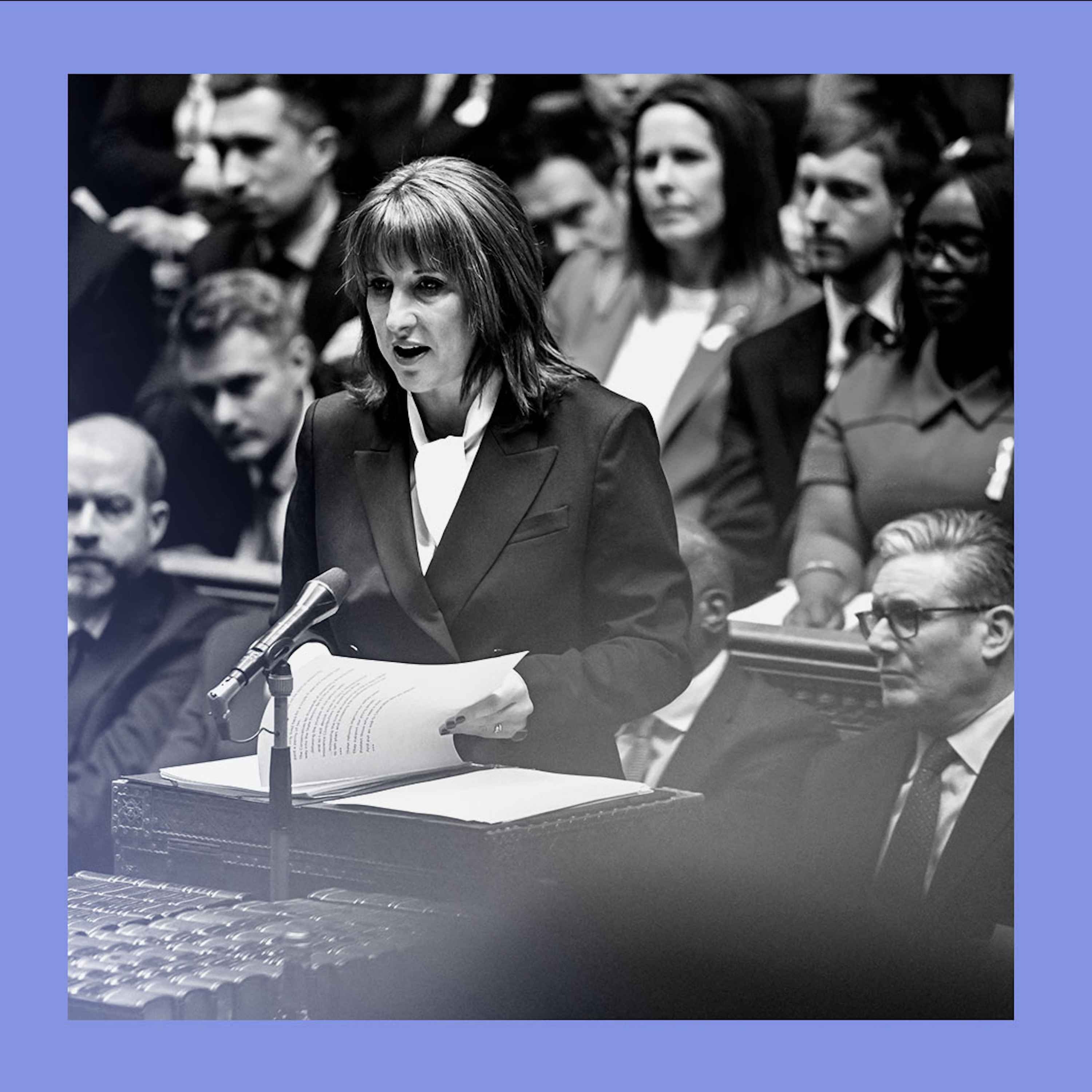
Britain is modeling its new asylum system on Denmark's, even though Denmark is far less successful at integrating immigrants into its society and workforce. This strategic shift risks importing Denmark's integration failures in an attempt to deter new arrivals and address political pressures from populist parties.
Beyond immediate labor supply issues, restrictive immigration policies, such as for H-1B visas and students, could have pernicious, long-term negative effects on US productivity. By limiting access to high-skilled talent, these policies threaten the country's technological edge and overall trend growth.