Get your free personalized podcast brief
We scan new podcasts and send you the top 5 insights daily.
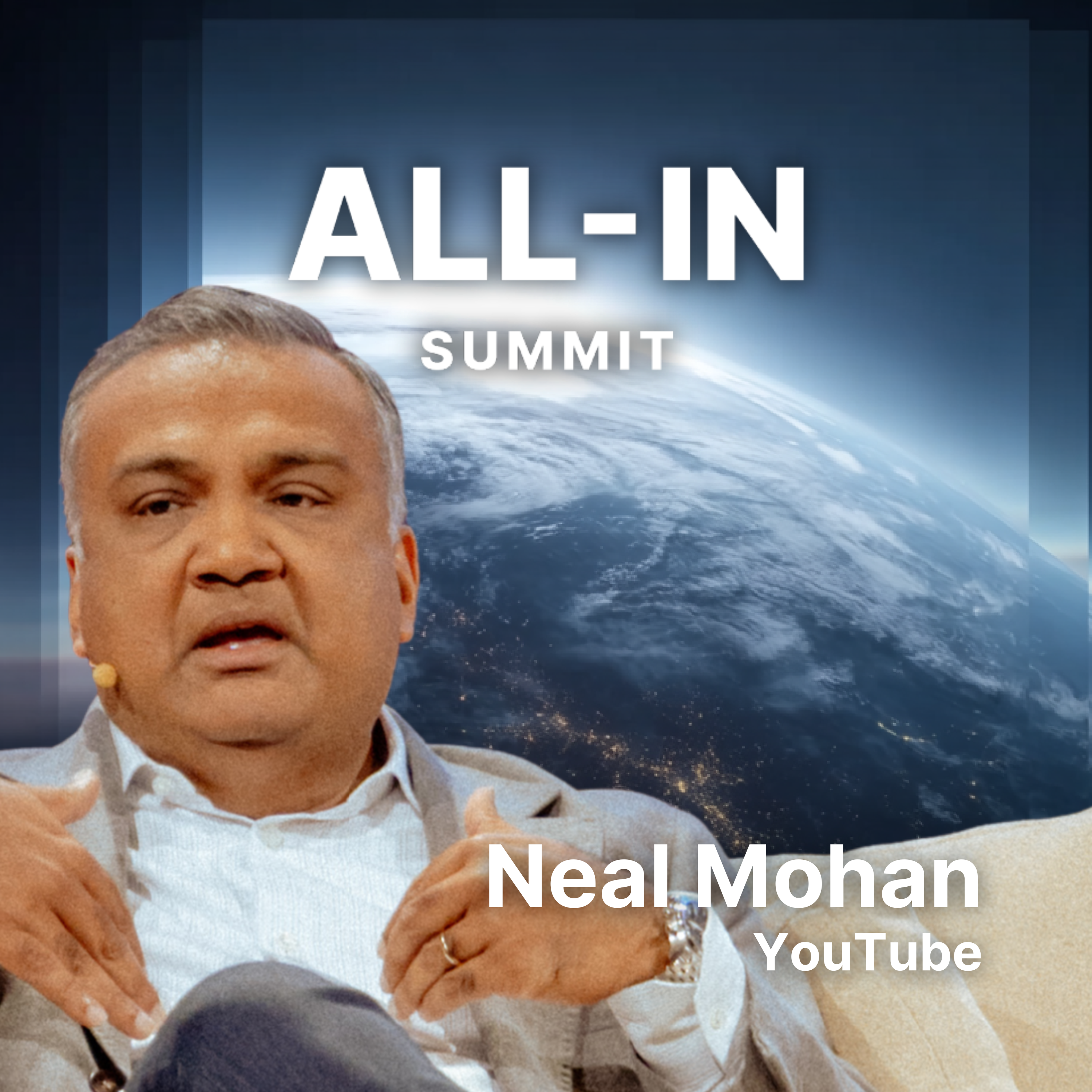
YouTube's CEO justifies stricter past policies by citing the extreme uncertainty of early 2020 (e.g., 5G tower conspiracies). He implies moderation is not static but flexible, adapting to the societal context. Today's more open policies reflect the world's changed understanding, suggesting a temporal rather than ideological approach.
Related Insights
YouTube's content rules change weekly without warning. A sudden demonetization or age-restriction can cripple an episode's reach after it's published, highlighting the significant platform risk creators face when distribution is controlled by a third party with unclear policies.
When questioned about censorship alongside Twitter and Facebook, CEO Neal Mohan deliberately reframes YouTube's identity. He asserts YouTube has more in common with streaming platforms than social media feeds. This is a strategic move to distance the brand from social media's controversies and align it with the entertainment industry.
Platforms like YouTube intentionally design their algorithms to foster a wide base of mid-tier creators rather than a few dominant mega-stars. This is a strategic defense mechanism to reduce the leverage of any single creator. By preventing individuals from overshadowing the platform, YouTube mitigates the risk of widespread advertiser boycotts stemming from a controversy with one top personality, as seen in past 'Adpocalypses'.

A novel framework rates tech giants based on content policies: Apple is PG (no adult content on iOS), Microsoft is G (professional focus), Google is PG-13 (YouTube content), and Amazon is NC-17 (Kindle erotica). This clarifies their distinct brand positions on sensitive content.
An OpenAI investor call revealed that "time spent" on ChatGPT declined due to content restrictions. The subsequent decision to allow erotica is not just a policy shift but a direct strategic response aimed at stimulating user engagement and reversing the negative trend.
OpenAI acknowledged that user "time spent" declined after implementing content restrictions. The subsequent decision to loosen these rules is likely not a sign of strength but a strategic move to re-stimulate growth and engagement as the platform shows signs of hitting market saturation.

Scott Galloway argues influential platforms like Joe Rogan's podcast and Spotify have a duty to scale fact-checking to match their reach. He posits their failure to do so during the COVID pandemic recklessly endangered public health by creating false equivalencies between experts and misinformation spreaders, leading to tragic, real-world consequences.

The common mantra 'go woke, go broke' is backward. US media revenue cratered 75% due to the internet's rise. This financial brokenness forced extreme message discipline ('wokeness') as a desperate survival strategy to retain jobs and a shrinking audience base. Financial collapse preceded the ideological shift.

The economic incentives and audience reach on platforms like TikTok or YouTube now outweigh the benefits of building an independent website, a stark reversal from a decade ago when the open web was the only choice for new media ventures.

While both the Biden administration's pressure on YouTube and Trump's threats against ABC are anti-free speech, the former is more insidious. Surreptitious, behind-the-scenes censorship is harder to identify and fight publicly, making it a greater threat to open discourse than loud, transparent attacks that can be openly condemned.
