Get your free personalized podcast brief
We scan new podcasts and send you the top 5 insights daily.
The quality of public debate has genuinely decreased due to social media creating information bubbles and the proliferation of podcasts that prioritize 'hot takes' and entertainment over intellectually rigorous conversation, leading to a less informed populace.

Related Insights
The feeling of deep societal division is an artifact of platform design. Algorithms amplify extreme voices because they generate engagement, creating a false impression of widespread polarization. In reality, without these amplified voices, most people's views on contentious topics are quite moderate.

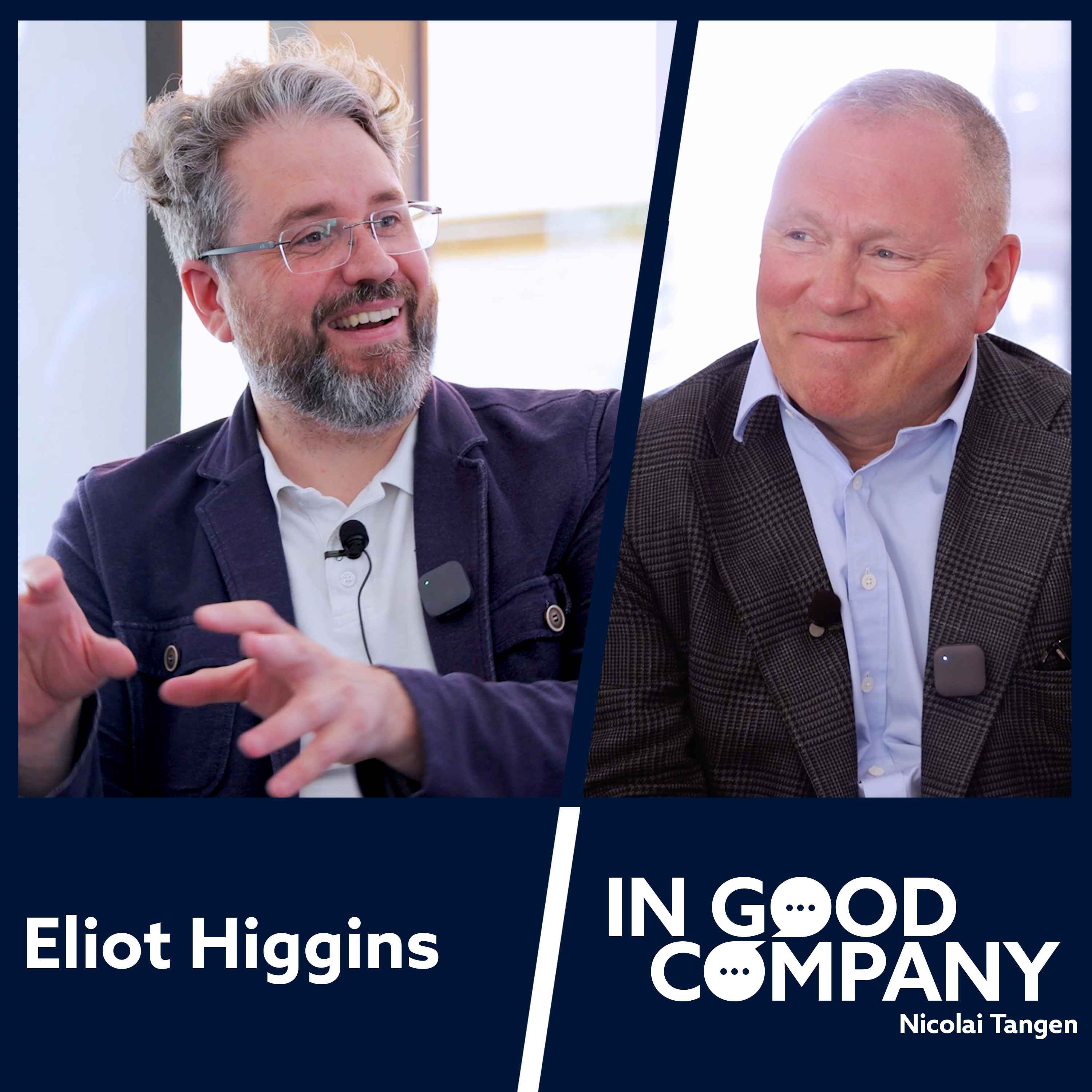
The old social contract, where trusted institutions delivered verified facts, is broken. Higgins argues we now live in a many-to-many system where institutions must compete for attention against the public on platforms that algorithmically reward engagement over truth.
Due to overwhelming information in the digital age, people seek simplified, pre-digested narratives from trusted sources. This reliance on cognitive shortcuts and partisan 'team lines' accelerates societal division, as nuanced understanding is replaced by easily repeated talking points, creating an environment of informational warfare.
The traditional social contract, where trusted institutions delivered verified information, has collapsed. Today's peer-to-peer information systems, like X (formerly Twitter), prioritize engagement over truth, creating an environment where populist and conspiratorial ideas thrive because they don't require procedural certainty to spread.

Citing media theorist Marshall McLuhan, the argument is that the medium itself (e.g., Twitter) is more impactful than the content it carries. These platforms reshape your cognitive processes—like shortening attention and altering how ideas feel—which degrades long-term, deep work.

Consuming hours of podcasts can feel like getting a university education but often skips the tedious, rigorous work—like analyzing data—that builds true expertise. This can lead to a dangerous overestimation of one's knowledge and susceptibility to guru-like figures offering shortcuts.

The internet no longer provides a shared experience, as each person's reality is dictated by a unique algorithmic feed. This fragmentation makes good-faith debate impossible, as people dismiss others' lived digital experiences as invalid or simply coming from a 'stupid bubble.'

The promise of new media was to foster deep, nuanced conversations that legacy outlets abandoned. However, it is increasingly falling into the same traps: becoming predictable, obsessed with personality feuds, and chasing clicks with inflammatory content instead of pursuing truth.
Professional critics and editors who once guided public taste have been hollowed out by social media feeds and aggregators. This has left a cultural vacuum, as society has lost a trusted class of tastemakers without a clear replacement, leading to a more chaotic and decentralized media landscape.

The era of limited information sources allowed for a controlled, shared narrative. The current media landscape, with its volume and velocity of information, fractures consensus and erodes trust, making it nearly impossible for society to move forward in lockstep.