Get your free personalized podcast brief
We scan new podcasts and send you the top 5 insights daily.
Influencer Doug DeMuro's content directly led to the resurgence of the convertible G-Wagon. After he bought and featured the obscure vehicle, its market value soared, and Mercedes-Benz ultimately announced a new version. This is a powerful example of how a niche creator can shift cultural perception and influence a major corporation's product strategy.

Related Insights
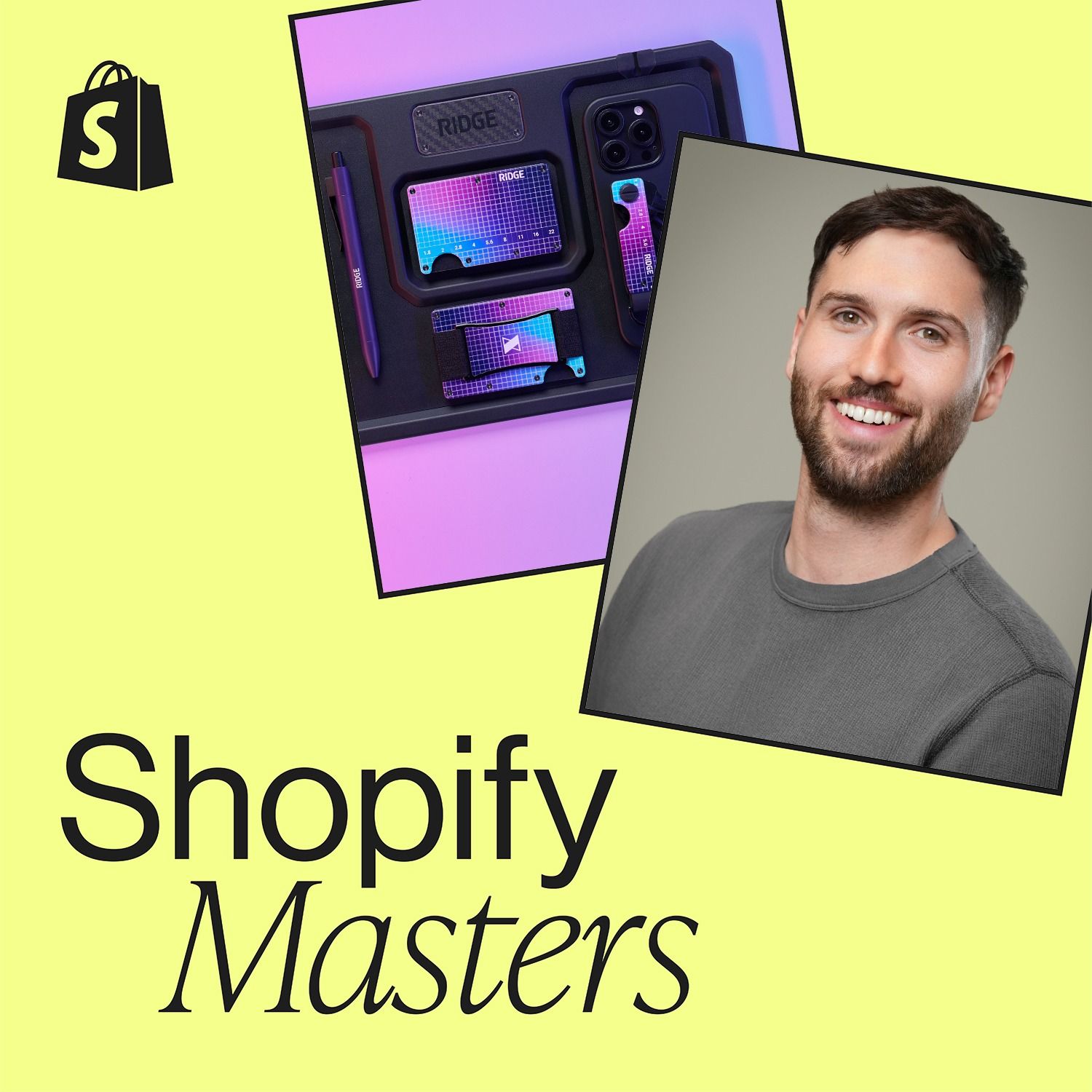
To expand beyond wallets into tech accessories, Ridge gave famous YouTuber Marques Brownlee a board seat. This wasn't just a marketing campaign; his official role acts as a powerful "stamp of approval," giving the brand instant credibility and consumer trust in new product lines.
Businesses with passionate but niche audiences, like the UFC or F1, can break into the mainstream by producing "on-ramp" content. A human-interest show (like F1's "Drive to Survive") provides an accessible entry point for new fans, demystifying the niche and driving massive growth by solving the discovery problem.

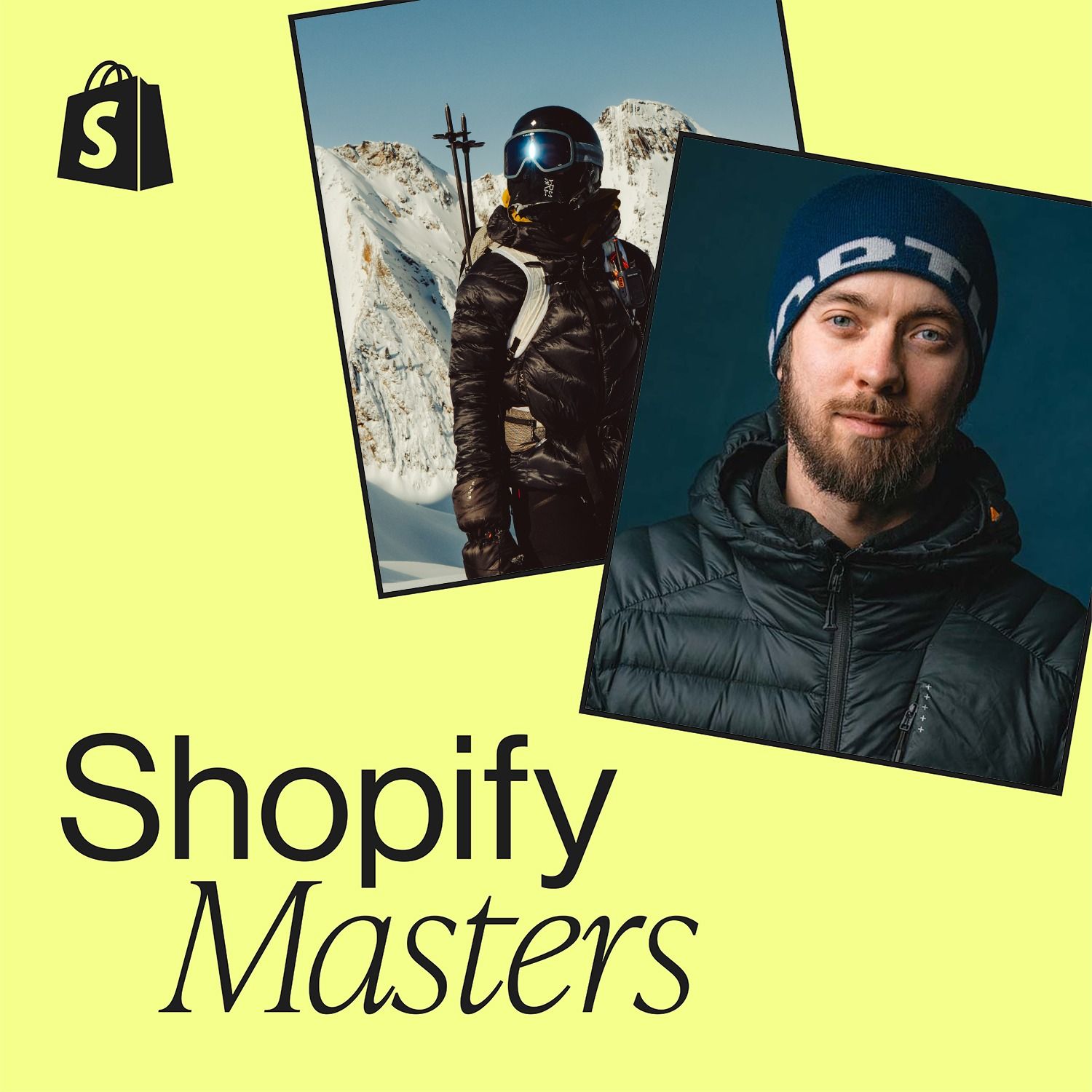
True influence in niche communities often lies with respected experts who lack a large social media presence. Building relationships with these 'invisible influencers,' like dedicated ski bums, by providing free products can generate powerful, authentic word-of-mouth credibility.
Creator marketing's impact extends beyond direct platform metrics. A viral video builds 'mental real estate' and top-of-funnel awareness, leading to a measurable spike in branded search queries on platforms like Google and even e-commerce marketplaces like Amazon. This creates a powerful, albeit hard-to-quantify, discovery flywheel.

The strategy scales from individual sponsored videos to having 100+ creators on retainer posting monthly. This creates an "astro turf" of content that dominates the niche's ecosystem. A successful video can then go viral, prompting other creators to organically make videos about your product to capture views.
Facing a market where the "sports car is dead," Koenigsegg's strategy was market creation, not penetration. His approach was to build a car so extreme and superior—to "outdo everyone else"—that it would force people to take notice and generate its own demand. He built something so amazing that customers would find him.

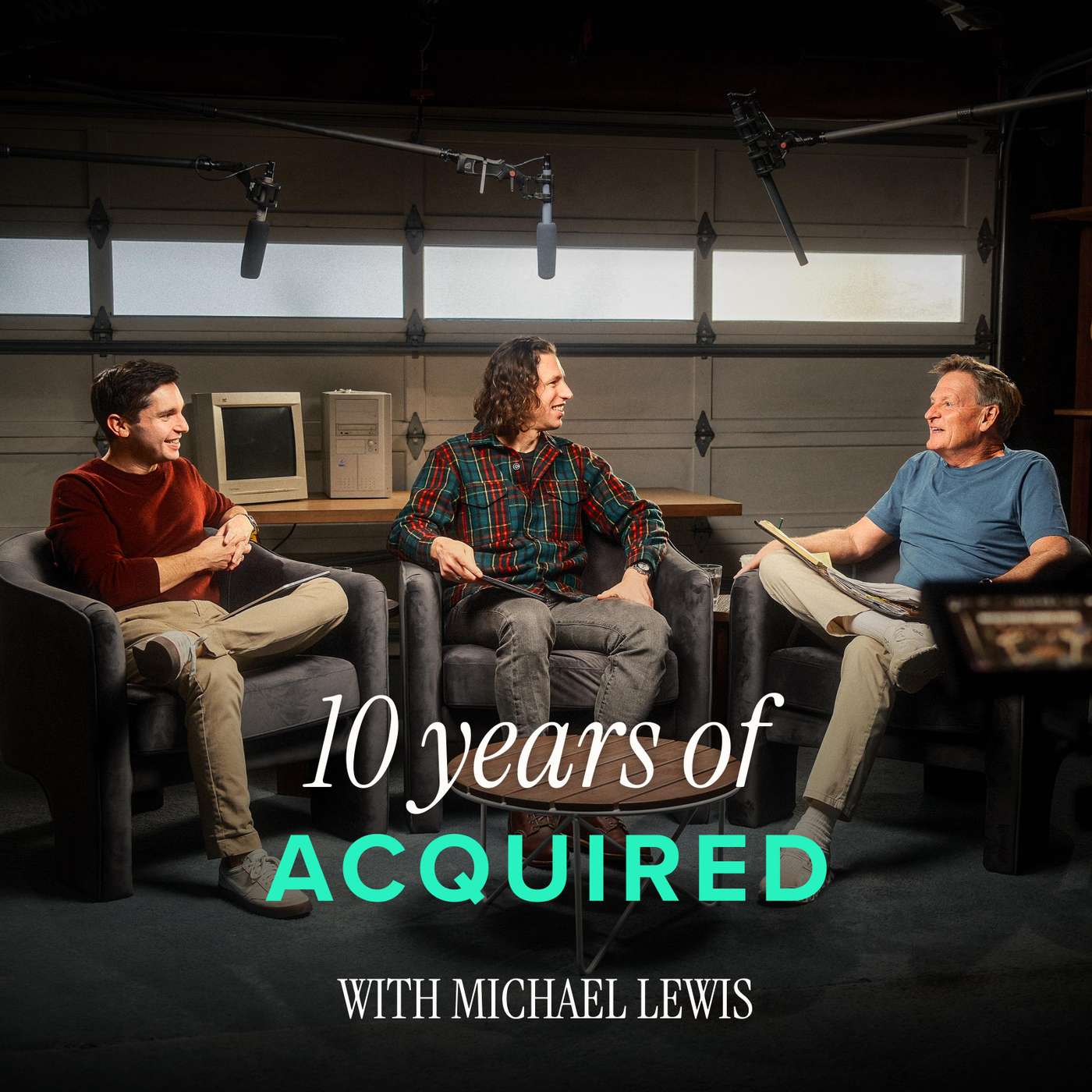
Episodes that underperformed with the general audience, like those on Nintendo or cricket, proved invaluable by attracting influential "superfans," including Meta executives and author Michael Lewis. This shows that catering to a passionate niche can yield more strategic value than broad, moderate appeal.
Frito-Lay's Flamin' Hot brand moves beyond simple influencer marketing by studying and collaborating with obsessed subcultures. This approach informs not only marketing campaigns, like a song with Megan Thee Stallion, but also its core product innovation pipeline, making marketing a byproduct of deep cultural integration.
Collectibles have evolved beyond niche hobbies into a mainstream communication tool, similar to fashion or luxury cars. Consumers use them to signal identity, tribal affiliation, and status. Brands can leverage this behavior to build deeper connections and create a sense of community.

Co-founder Sarah Foster reveals that micro-influencers with authentic, engaged audiences have been far more effective at driving sales than celebrities with millions of followers. This highlights the superior ROI of niche creators who have built genuine trust within their communities, proving reach doesn't always equal results.