Get your free personalized podcast brief
We scan new podcasts and send you the top 5 insights daily.
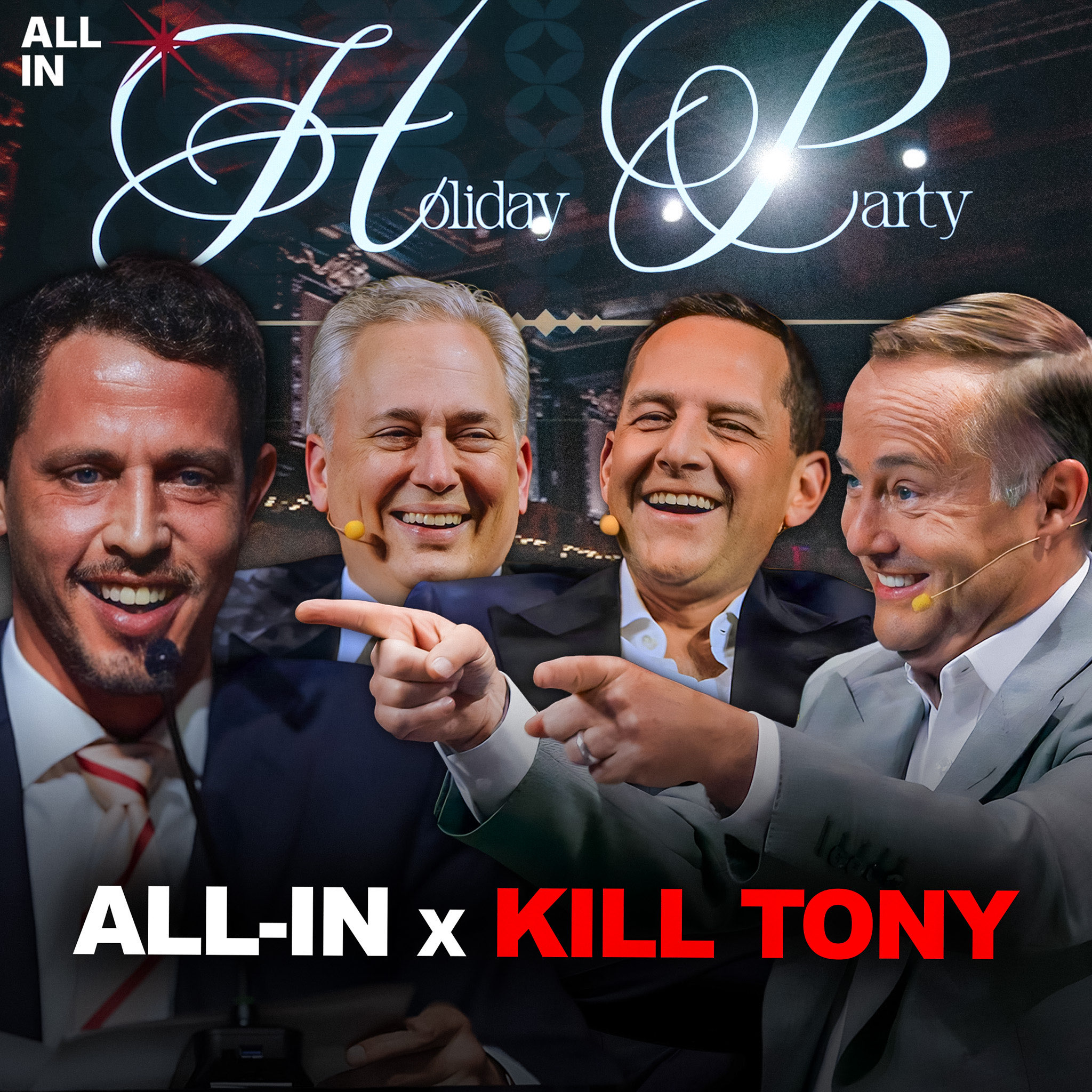
Hinchcliffe realized the most entertaining part of open mics was the private jokes comedians shared in the back. He built his hit show "Kill Tony" by making this "insider" commentary public, proving that hidden, expert critique can be a compelling product.
Related Insights
The podcast's business-themed Halloween costume contest, featuring ideas like a "terrifying tariff," successfully engages its specific audience. This fosters a strong sense of community and brand identity by creating inside jokes and shared experiences that resonate with their target listener persona.

A 19-year-old built a $3M+/year agency by productizing a task most founders avoid: street interviews for social media. This reveals a massive opportunity in operationalizing the high-rejection, 'unscalable' work that leaders are too embarrassed or busy to do themselves.

Unlike the agent-controlled casting in Hollywood, "Kill Tony" gives any comedian a chance by randomly pulling names from a bucket. This democratic process ensures a meritocratic and unpredictable show where genuine talent can emerge without industry connections.
The perception that great comedians are simply 'naturally funny' on stage is a carefully crafted illusion. Masters like Jerry Seinfeld and Joan Rivers rely on disciplined, daily writing and meticulous organization. Their hard work is intentionally hidden to create the magic of spontaneous, effortless humor for the audience.

Much like an appearance on Johnny Carson's show once launched a comedian's career, "Kill Tony" now serves as the industry's primary talent discovery engine. Agents and producers watch the live-streamed show to scout undiscovered talent, bypassing traditional gatekeepers.
To write comedy professionally, you can't rely on inspiration. A systematic process, like 'joke farming,' allows for the reliable creation of humor by breaking down the unconscious creative process into deliberate, replicable steps that can be performed on demand.
To maintain its creative edge, Duolingo employs an external writer's room of comedians and admired writers. Their job is to 'roast the brand' and pitch SNL-style skits, pushing the internal team to explore new lore, find blind spots, and walk the line without crossing it.

A successful joke's core isn't the punchline but its 'point'—the underlying message or meaning. This foundation is often a serious observation. The humor is then built by creating a premise and structure that leads the audience to this point without stating it directly.
Effective humor in a corporate setting identifies an insight the target audience universally agrees on but rarely discusses openly. Publicizing this shared secret, as Wiz did with its CISO toy store, creates a powerful sense of recognition and virality that traditional jokes cannot match.

Unlike most professions, stand-up comedy has no private practice space; the only way to learn is by performing live. This forces comedians to reframe failure not as a setback, but as essential research and development—an expected and even exciting part of entering the business.
