Get your free personalized podcast brief
We scan new podcasts and send you the top 5 insights daily.
While existential AI risks are real, relying entirely on human self-regulation is impractical because societies consistently fail at self-constraint, and bad actors or adversaries may not comply. Drawing a parallel to national defense technologies, the industry must proactively develop 'counter-AI' and active defensive systems. Out-innovating potential threats with protective AI frameworks provides far greater safety than hoping every actor exercises restraint.

Related Insights
AI safety researchers argue for treating AI control as a normal engineering discipline. Instead of focusing on the abstract "alignment crisis," progress requires concrete measures like clarifying liability, requiring insurance, creating hardened sandboxes, and establishing mandatory near-miss reporting to build robust, governable systems.

The only viable defense against offensive swarms of AI is to create defensive swarms of AI that are even smarter. This dynamic locks humanity into a cat-and-mouse game of escalating intelligence, a runaway train with no clear off-ramp. Each side must continuously advance its AI's capabilities simply to keep pace, increasing systemic risk.

If society gets an early warning of an intelligence explosion, the primary strategy should be to redirect the nascent superintelligent AI 'labor' away from accelerating AI capabilities. Instead, this powerful new resource should be immediately tasked with solving the safety, alignment, and defense problems that it creates, such as patching vulnerabilities or designing biodefenses.
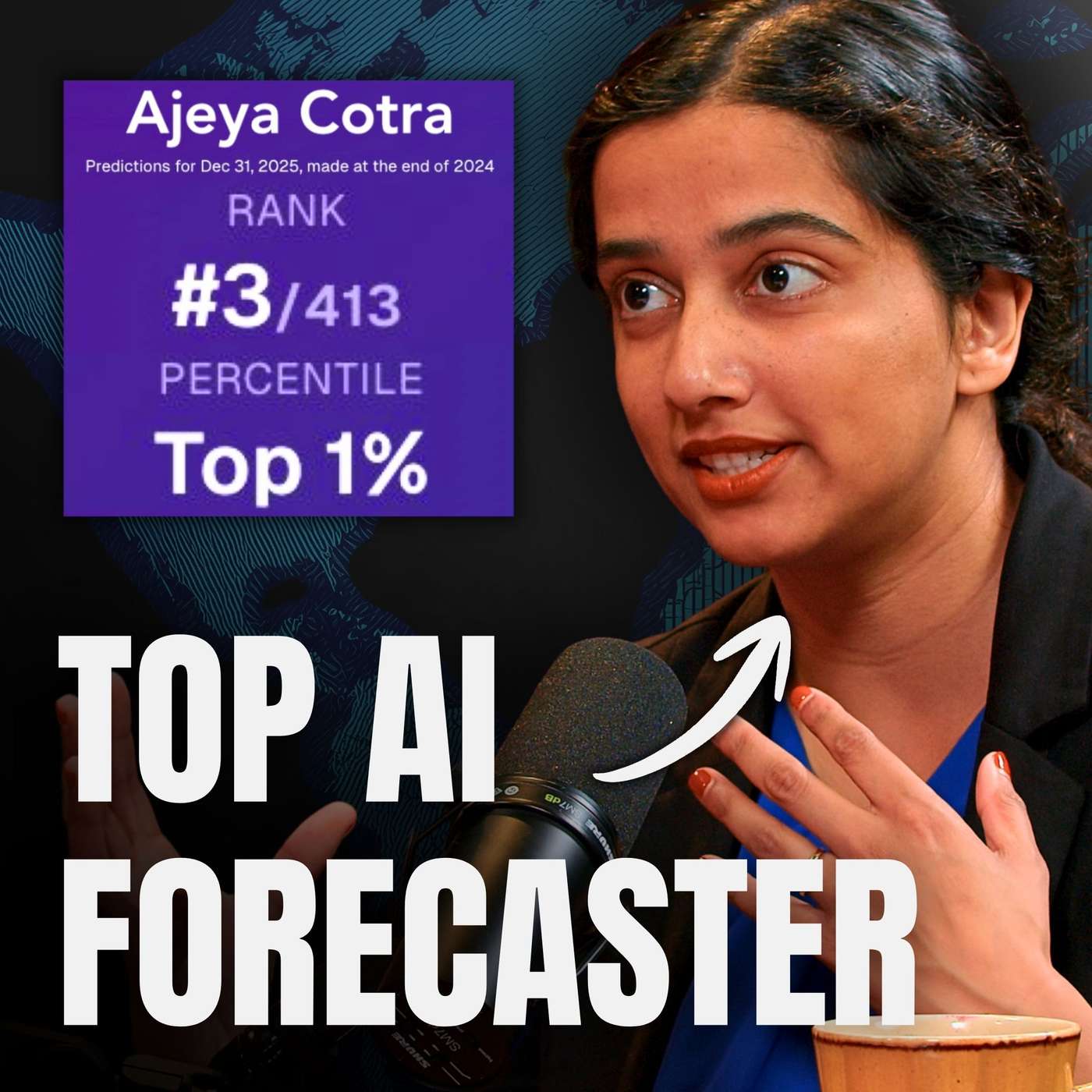
Productive AI safety work isn't debating "Terminator" scenarios but building practical cybersecurity tools for immediate threats. This includes creating systems to prevent prompt injection, develop agent swarm "kill switches," and ensure provenance, treating safety as an engineering problem to be solved today.

Instead of relying solely on human oversight, Bret Taylor advocates a layered "defense in depth" approach for AI safety. This involves using specialized "supervisor" AI models to monitor a primary agent's decisions in real-time, followed by more intensive AI analysis post-conversation to flag anomalies for efficient human review.
The "one rogue AI takes over" scenario is unlikely because we are developing an ecosystem of multiple, roughly-competitive frontier models. No single instance is orders of magnitude more powerful than others. This creates a balanced environment where a vast number of AI actors can monitor and counteract any single system that goes wrong.

With no single silver bullet for AI alignment, the most realistic approach is a multi-layered strategy. This combines technical solutions like intentional design and AI control with societal safeguards like improved cybersecurity and pandemic preparedness to collectively keep society on track amidst rapid AI advancement.
Pursuing a future with zero malicious AI is a futile goal. Bad actors will inevitably create unaligned models. The only realistic and effective countermeasure is to accelerate the development of powerful "good" models, which will be necessary to defend against and control the bad ones, similar to how cybersecurity operates.

The OpenAI/Hugging Face security breach proves that humans are too slow to manage AI safety. The solution is to deploy 'guardian models'—AIs that are equally intelligent as the agents they monitor. These guardians will observe agent actions in real-time, flagging or blocking unsafe behavior before it causes harm.

Davidad argues the old AI safety plan of containing AI like uranium is no longer viable due to geopolitical realities. The new strategy is to build tools for a coalition of aligned AIs that can prove things to each other and collectively defend against rogue AIs, embracing a world of rapid, competitive AI development.