Get your free personalized podcast brief
We scan new podcasts and send you the top 5 insights daily.
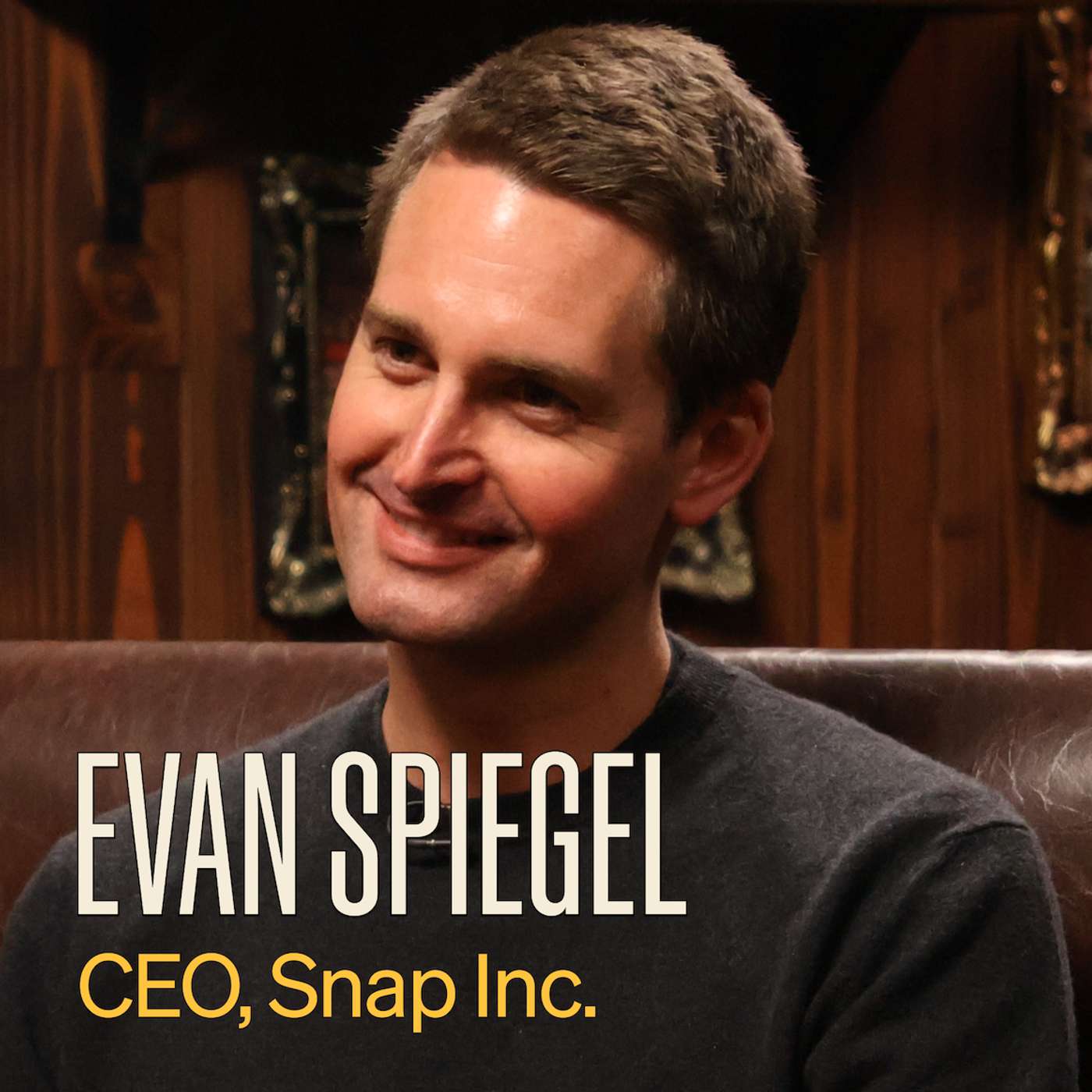
Snap's new 'Specs' are positioned as a fashion item, using supermodels in marketing. This strategy suggests that for wearables to gain mass adoption, they must first be desirable fashion accessories, a hurdle competitors like Apple's Vision Pro have failed to clear.

Related Insights
Google is leveraging established eyewear brands like Warby Parker and Gentle Monster to enter the smart glasses market. This partnership strategy aims to win over consumers by using familiar fashion silhouettes, contrasting with Apple's expected vertically-integrated, tech-first approach to hardware design.

Apple's 'iPhone Pocket,' a collaboration with designer Issey Miyake, is less about utility and more about a strategic entry into high fashion. This move targets non-traditional tech consumers by tapping into existing global trends (like phone slings) and leveraging a famous designer's brand, aiming to establish Apple in a market where tech has yet to gain a strong foothold.

Meta believes successful AI wearables will piggyback on items people already use, like glasses. The logic is that if an analog version of a device isn't popular (e.g., clip-on pins), an AI version is unlikely to succeed, guiding their focus away from experimental hardware.

Tech companies learned from the failure of Google Glass that functionality alone doesn't sell wearables. The primary adoption barrier is aesthetics, or passing the "Ugly Test." As a result, partnering with established fashion brands (e.g., Meta with Ray-Ban, Google with Gucci) has become the default go-to-market strategy to ensure products are stylish and socially acceptable.
The product strategy treats the glasses like an escalator that becomes stairs when broken. Their core utility as Ray-Bans provides value even without battery, making them an easy addition to a user's life rather than another gadget to manage.
For a device worn on the face, fashion and comfort are non-negotiable prerequisites for adoption. Meta believes a user will not wear an uncomfortable or unfashionable device, even if its AI is functionally superior. This "style first" approach dictates their partnership with brands like Ray-Ban.
Snap's AR Spectacles are priced in a difficult middle ground. At $2,200, they are too expensive for the mass market where Meta's cheaper Ray-Bans succeed as a lifestyle product. Yet, they lack the dedicated enthusiast ecosystem that allows Apple to sell premium hardware like the Vision Pro, leaving them without a clear target customer.

Unlike the vertically integrated smartphone market, AI wearables will be dominated by a horizontal model where diverse fashion brands integrate technology. Consumers will prioritize personal style and choice, preventing a single tech giant from winning with one design.

The success of a medical wearable is no longer determined by clinical efficacy alone. These devices are merging with consumer electronics, meaning factors like being ultra-thin and aesthetically pleasing are now critical for user adoption. This requires balancing usability, manufacturability, and clinical performance from day one.

Snap CEO Evan Spiegel sees the winning AR form factor occupying a 'sweet spot': the wearability of normal glasses combined with the spatial computing power of a device like the Vision Pro. This positions Spectacles between today's simplistic 'AI glasses' and fully immersive, but isolating, VR headsets.