Get your free personalized podcast brief
We scan new podcasts and send you the top 5 insights daily.
The move from network TV to YouTube has replaced well-funded productions employing writers and cinematographers with solo creators or small teams. This has decimated the "middle" of the media landscape, eliminating stable careers for many creative professionals.

Related Insights
As AI tools enable millions of amateur creators to produce professional-quality content, platforms like YouTube and Spotify become less reliant on a small number of mainstream media giants. This diffusion of content creation shifts bargaining power away from traditional studios and labels to the platforms themselves.
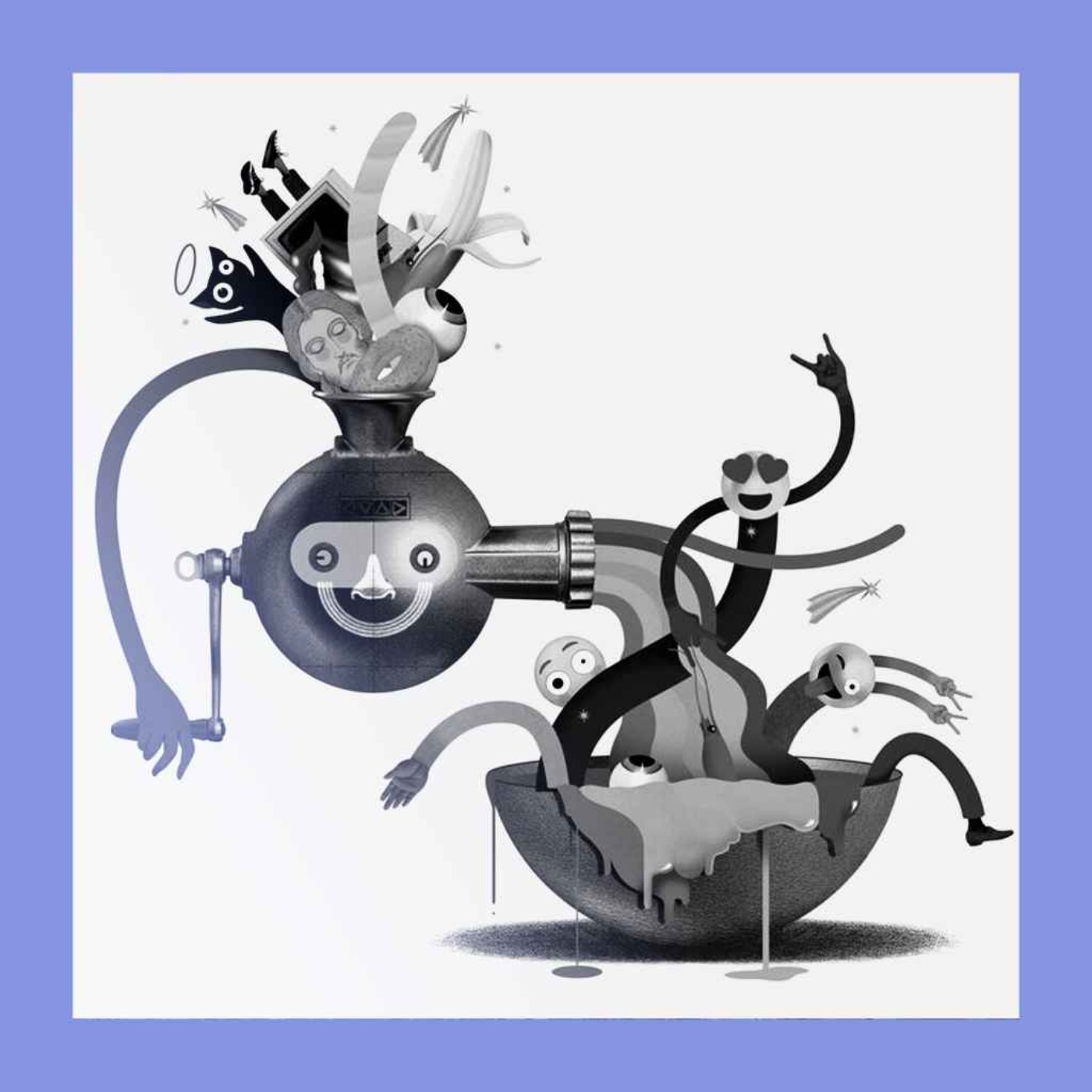
The creator economy is shifting from a simple 'go independent' narrative. Top creators are scaling into high-cost productions resembling media companies, while legacy media is mastering creator-native platforms. This is creating a sorting process where a one-size-fits-all approach no longer applies, forcing creators to choose between lean independence and consolidation.

The traditional Hollywood production model, with its bloated crews and high costs, is unsustainable. AI will drastically lower production costs while audience preferences shift to short-form video. This dual threat will force a brutal economic reckoning and consolidation.

In the attention economy, high-paid talent at legacy companies like CNN are cost centers on a bloated P&L. By using platforms like YouTube or Substack, these individuals can become high-margin businesses, capturing value directly from their audience instead of a corporate employer.

The traditional entertainment industry has a widening gap between struggling artists and highly-paid stars. The rise of digital scripted formats, like microdramas, can create a sustainable "middle class" of creative professionals—from writers to costumers—by offering more consistent, moderately-budgeted work.

The economics of media have flipped. Previously, the 'means of production' (studios, networks) captured most value, giving talent ~15% of revenue. Now, with democratized platforms like podcasting, the means of production are commoditized, and top talent can command 70% or more of the revenue.

Technology has dramatically lowered content production and distribution costs. This allows individual creators and small teams to build profitable media brands that can outmaneuver traditional media companies burdened by high overhead and outdated cost structures.

The collapse of stable, unionized jobs in media forces artists into becoming reluctant entrepreneurs. Adam Conover notes he was happy as a "laborer" but now must act as a business person, a shift that is "devastating" and distracts from the creative process.
Platforms enable top creators to leave media companies and capture all their value, breaking the traditional model where stars implicitly subsidize the development of the next generation. This erodes the organizational structure for mentorship, collaboration, and growth.

The underlying driver for major media shifts, from studio mergers to the pivot of podcasts to video, is YouTube's complete platform domination. Its ability to distribute all types of content at scale is forcing legacy media to consolidate and creators to adapt to its video-first ecosystem.
