Get your free personalized podcast brief
We scan new podcasts and send you the top 5 insights daily.
The new standard for first-line HER2+ breast cancer, TDXD-pertuzumab, has superior efficacy. However, experts are questioning if treating until disease progression is optimal for all, suggesting a switch to maintenance therapy could better balance side effects and quality of life. The ideal duration remains an open question.

Related Insights
Despite compelling data from trials like PATINA, some patients with ER+/HER2+ breast cancer refuse maintenance endocrine therapy due to side effects. This highlights a real-world gap between clinical trial evidence and patient adherence, forcing oncologists to navigate patient preferences against optimal treatment protocols.

A patient on trastuzumab deruxtecan (TDXD) for seven years with no evidence of disease and no toxicity chose to continue the drug, declining to switch to a standard maintenance regimen. This illustrates a real-world challenge where patient preference and excellent outcomes can override the clinical logic of treatment de-escalation.
Data from DESTINY-Breast09 shows TDXD plus pertuzumab dramatically improved progression-free survival in first-line metastatic HER2+ breast cancer. This unprecedented efficacy raises new questions about optimal treatment duration and the potential for de-escalated maintenance therapy after induction.
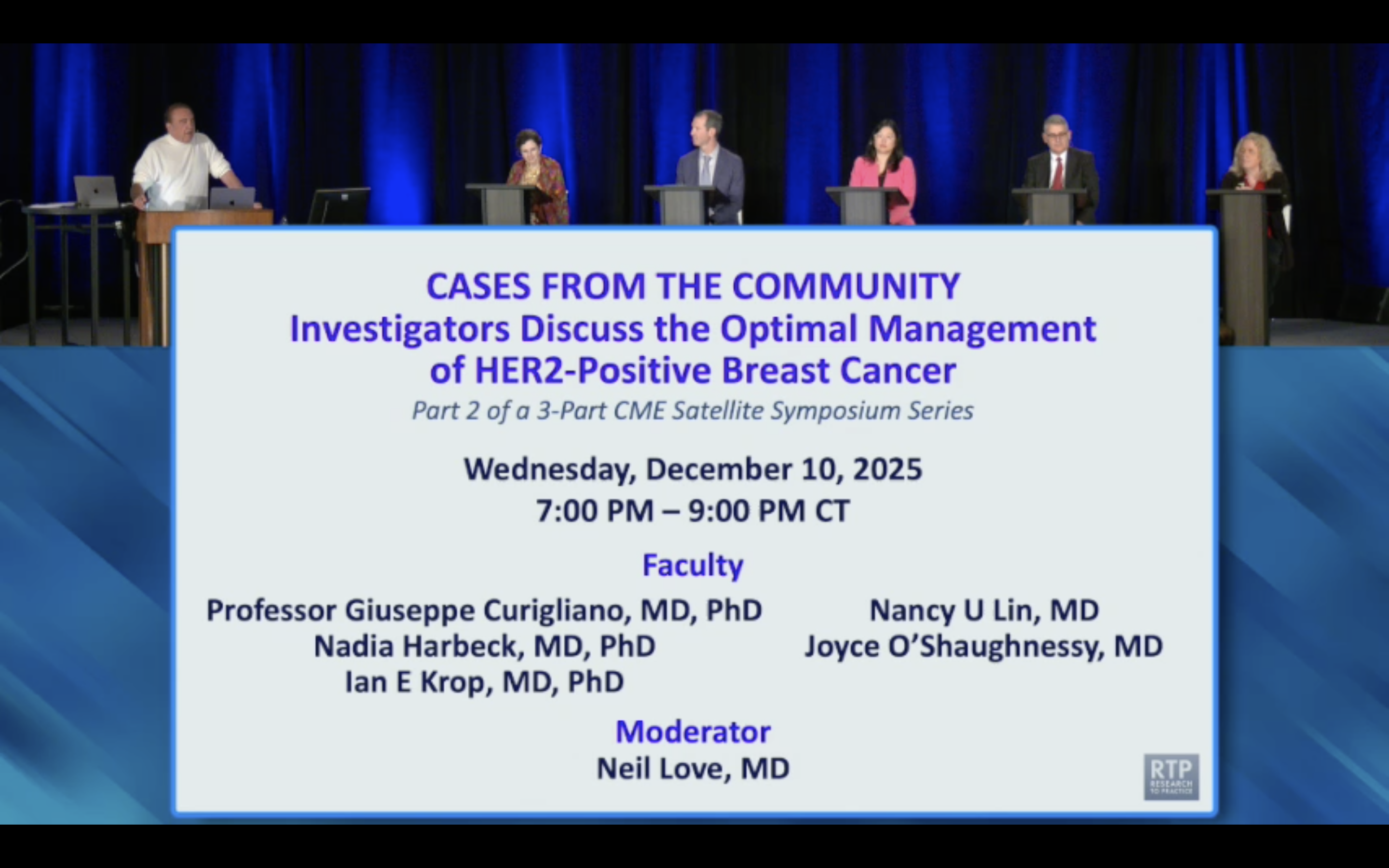
Positive data from both DESTINY-Breast09 (TDXD-based) and PATINA (CDK4/6i maintenance) create a new dilemma. With similar PFS outcomes, the first-line choice for metastatic HER2+/HR+ patients now hinges on toxicity profiles and patient preference rather than a single efficacy winner.

Beyond rigid trial protocols, a flexible approach to first-line T-DXd is practical and patient-centered. This includes discussing treatment breaks for holidays or switching to a less burdensome maintenance regimen (like subcutaneous HP) if a patient is tired of frequent clinic visits, prioritizing their quality of life.

In the DB09 trial, the median progression-free survival (40 months) was double the median duration of TDXD treatment (20 months). This discrepancy suggests many patients discontinued the cytotoxic component and effectively entered a maintenance phase, validating the induction-maintenance model even within a continuous therapy trial design.
To mitigate long-term toxicity from TDXD, oncologists are proposing an "induction/maintenance" approach. Patients receive TDXD for an initial period to achieve maximal response, then switch to a less toxic maintenance regimen for a "chemotherapy holiday," improving quality of life.
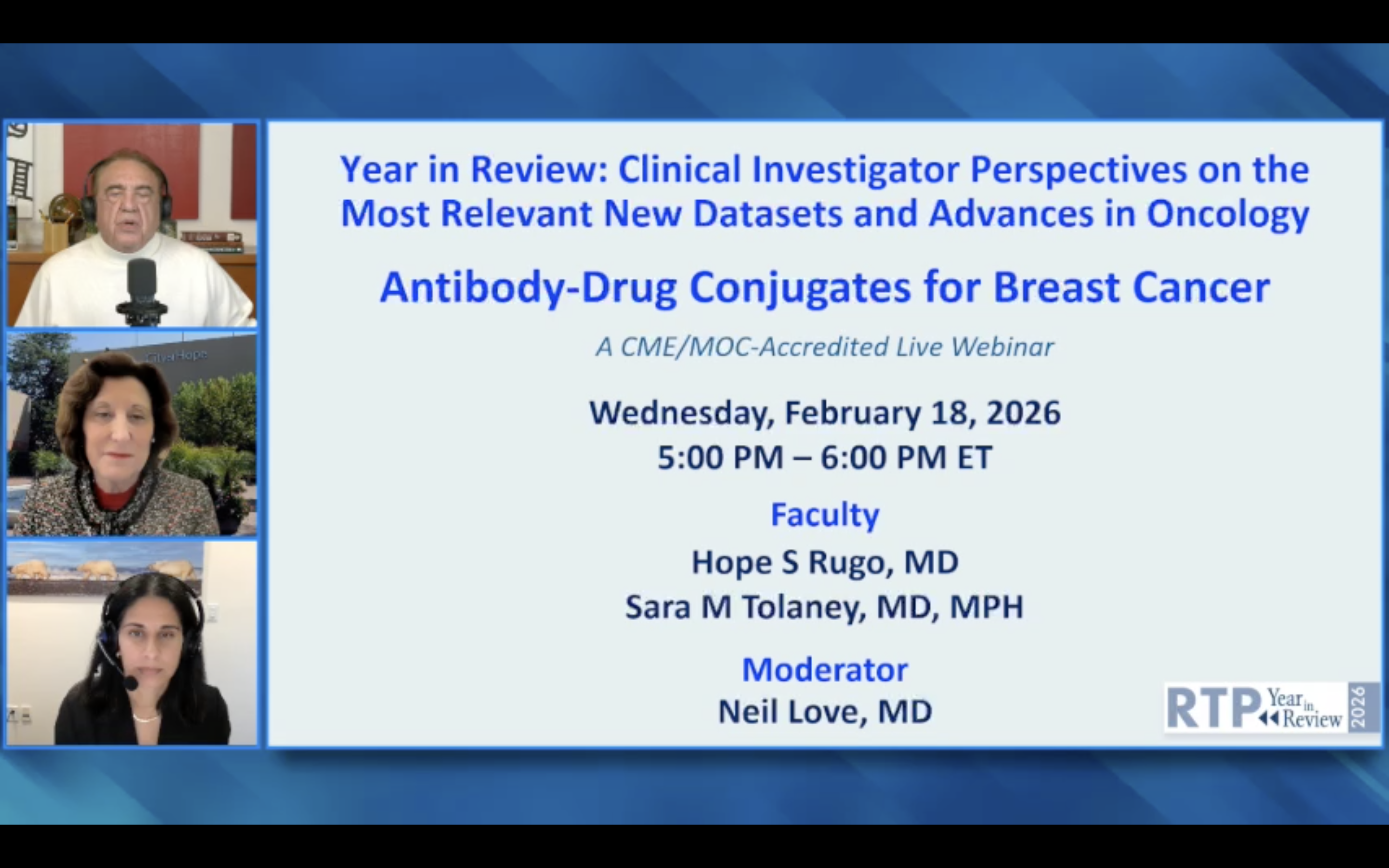
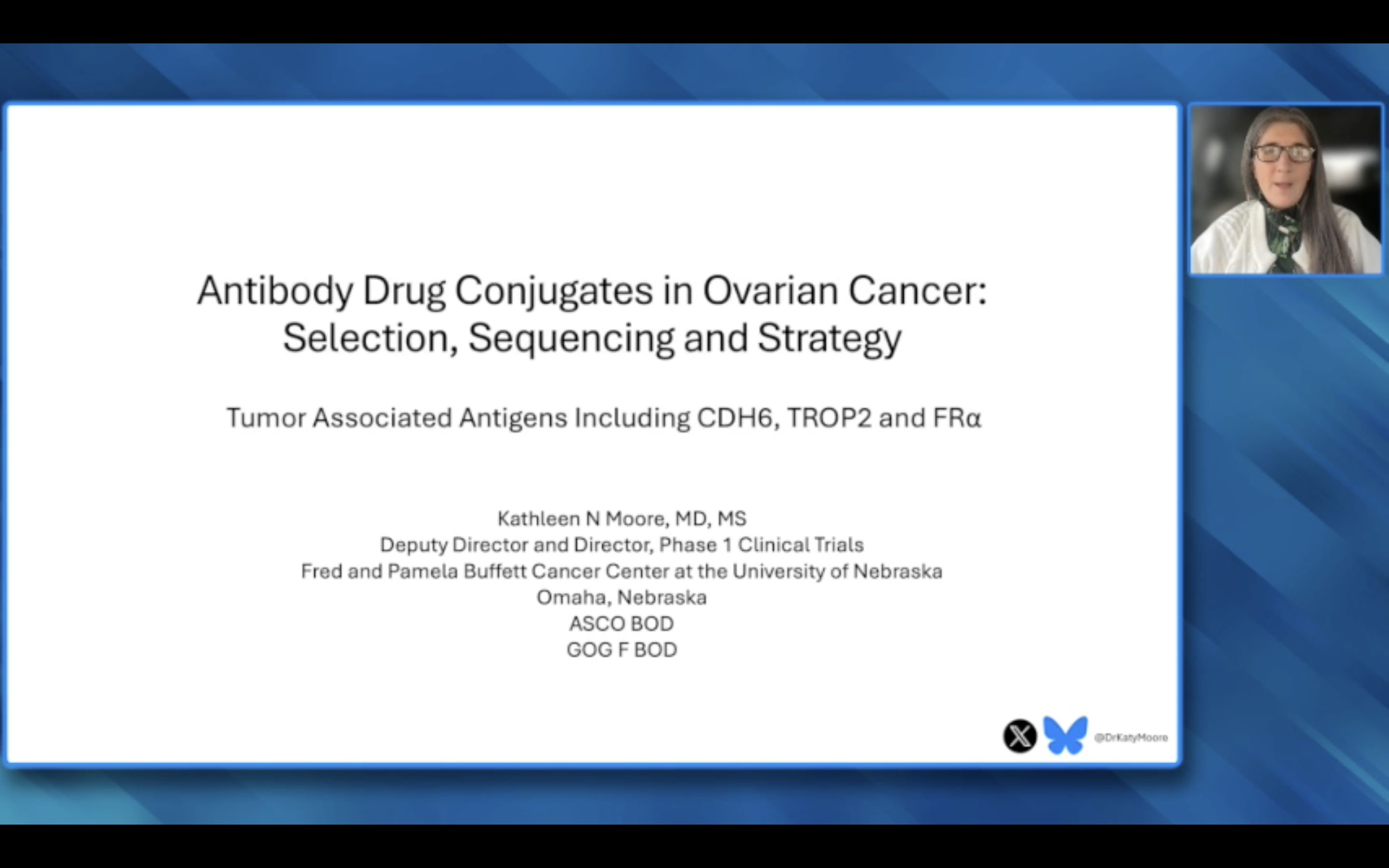
As multiple effective Antibody-Drug Conjugates (ADCs) become available, the primary clinical challenge is no longer *if* they work, but *how* to use them best. Key unanswered questions involve optimal sequencing, dosing for treatment versus maintenance, and overall length of therapy, mirroring issues already seen in breast cancer.
While oncologists often continued therapy post-induction, recent trials like PATINA and HER2CLIM-05 have formally defined and validated the "maintenance treatment" concept. This provides a new, evidence-backed framework for prolonging response after initial chemotherapy cycles are complete.

A key debate in early HER2+ breast cancer is whether to use TDXD neoadjuvantly (DESTINY-Breast11) or reserve it for post-op residual disease (DESTINY-Breast05). Many experts favor the neoadjuvant approach to maximize the chance of a pathologic complete response (pCR), which allows for surgical de-escalation and is associated with better outcomes.
