Get your free personalized podcast brief
We scan new podcasts and send you the top 5 insights daily.
Investors like Warren Buffett are famous for reading constantly. The primary benefit may not be the knowledge itself, but that reading occupies their time. It's a remedy for "too much activity," which is one of the biggest leaks in an investment portfolio, by keeping them from pushing buttons.

Related Insights
Nicolai Tangen highlights a paradoxical challenge of long-term strategy: the immense difficulty of sitting still and taking no action for extended periods. Resisting the daily pressure to "do something" is a critical, yet underestimated, psychological skill required for successful long-term investing.

Contrary to the industry's bias for action, Howard Marks advocates for strategic inaction, flipping the common saying to 'don't just do something, sit there.' True long-term success comes from owning good assets and letting ideas work, not from constant trading and reacting to short-term market noise.

Contrasting with Wall Street's hyperactive culture, Warren Buffett's famed stock picker Lou Simpson embodied a philosophy of extensive thinking and minimal action. His success came from deep reflection and a balanced life, not constant trading or information overload, proving that less activity can lead to better results.

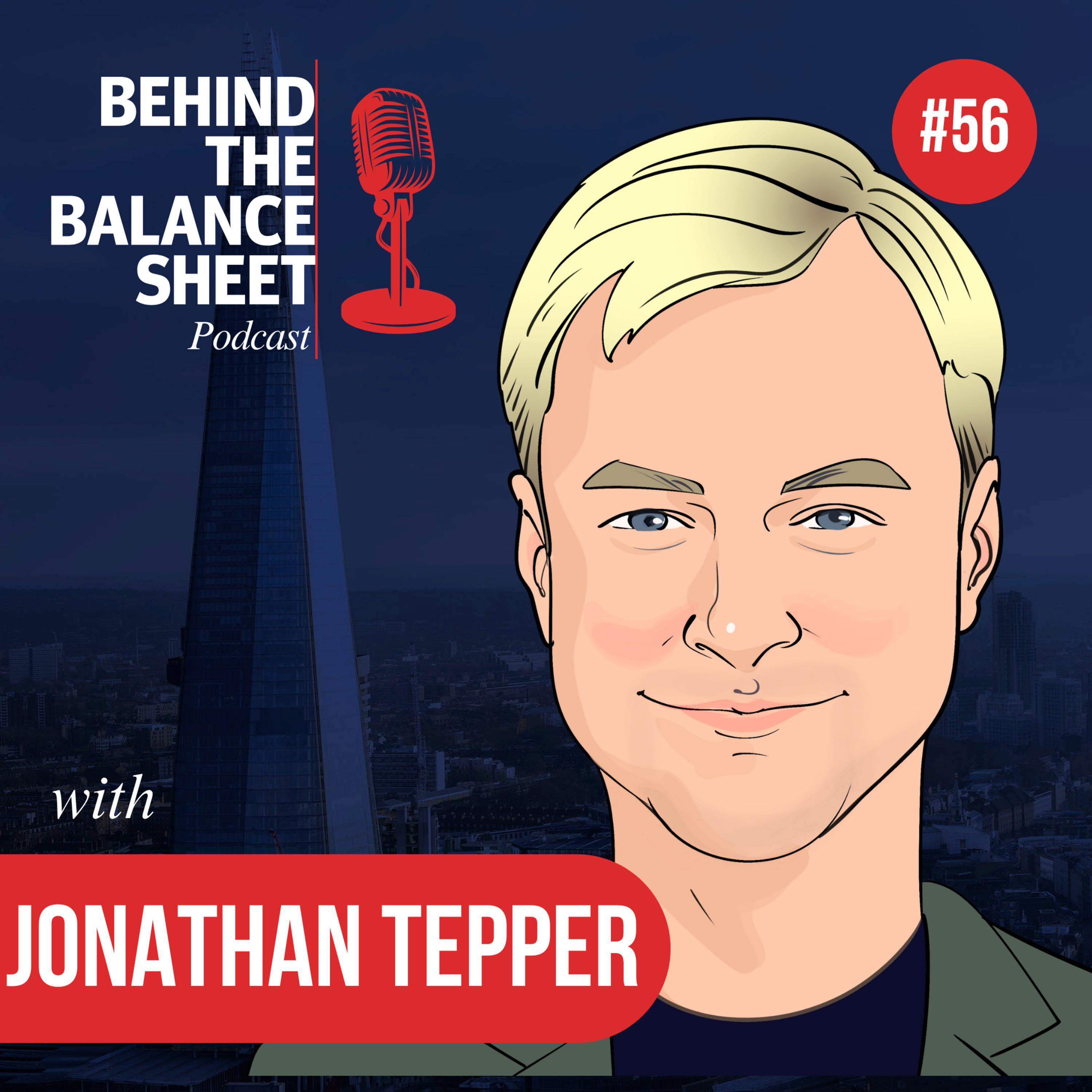
Largely self-taught through voracious reading, Jonathan Tepper views investing as an extension of that process. Great investors are in a constant mode of self-education, digging deeply into new companies and industries. The ability to teach yourself is an ongoing, essential part of the job.
Compounding is a fragile process. Every portfolio adjustment, like trimming or panic selling, is like opening a door and letting heat escape. Treating your portfolio as a contained machine that works best when untouched reframes "doing nothing" as a strategic, structural advantage.

Ali defeated a stronger opponent by absorbing blows and waiting for the right moment. This "masterly inactivity" is a powerful investing strategy. Instead of constant trading, long-term investors should let high-quality businesses compound, understanding that the decision *not* to act is still an active, and often superior, choice.

The most effective investors deliberately carve out unstructured time for deep thinking and reading. This discipline contrasts with the common early-stage VC tendency to equate a packed calendar with productivity. True investment alpha is generated from unique insights, not just from the volume of meetings taken.

To fight the bias for action in investing, perform an 'inertia analysis.' Compare your portfolio's actual year-end results to what they would have been with zero changes since January 1. This often provides stark evidence that trading activity detracted from performance, reinforcing the value of long-term holding.

Most investing environments encourage constant, often harmful, action. The speaker actively engineers an environment for inaction by eliminating visual stimuli like financial TV and filtering social media noise. This counteracts behavioral biases and promotes the patience required for long-term compounding.

To combat the urge for constant activity, which often harms returns, investor Stig Brodersen intentionally reviews his portfolio's performance only once a year. This forces a long-term perspective and prevents emotional, short-sighted trading based on market fluctuations.