Get your free personalized podcast brief
We scan new podcasts and send you the top 5 insights daily.
The world's economy will increasingly run on AI compute, similar to how it ran on oil. By pursuing data centers in space, SpaceX is positioning itself to become the lowest-cost producer of AI tokens, aiming for a strategic dominance analogous to Saudi Arabia's control over global energy markets.

Related Insights
Beyond rockets and Starlink, SpaceX's IPO is driven by the capital needed for its most ambitious goal: a fleet of space-based AI data centers. This venture is too expensive for private markets, forcing the public offering despite Elon Musk's previous reservations about short-termist investors.
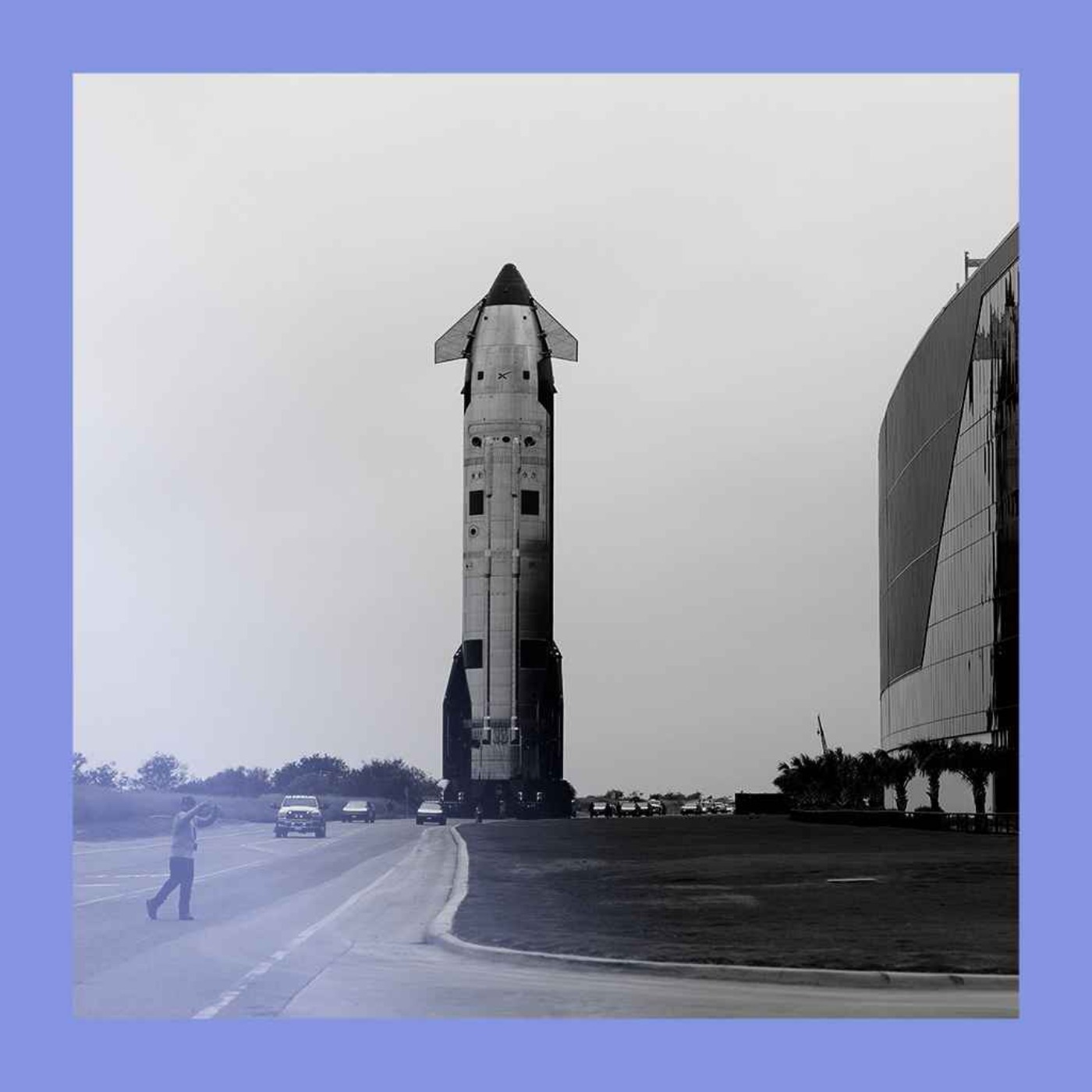
The core investment thesis for SpaceX's multi-trillion-dollar valuation isn't its current AI models, which lag competitors. Instead, it's a forward-looking bet on the company's unique ability to launch and operate data centers in space, effectively controlling the physical infrastructure for the next generation of AI.

The biggest limiting factor for AI growth is energy production, which faces regulatory hurdles and physical limits on Earth. By moving data centers to space with solar power, Elon Musk aims to create an 'N of one' advantage, escaping terrestrial constraints to build a near-infinite compute infrastructure.

The shift to a moon base isn't just about faster space colonization. It's a strategic move to build massive AI and quantum computing data centers off-planet. This bypasses terrestrial energy regulations and solves the immense cooling requirements for these systems, positioning SpaceX to dominate the AI landscape.

Musk's long-standing resistance to a SpaceX IPO has shifted due to the rise of AI. The massive capital raise is primarily aimed at establishing a network of space-based data centers, a strategic convergence of his space and AI ventures, rather than solely funding Mars colonization.

The merger combines SpaceX's rocketry with XAI's AI development. The official rationale is to build cost-effective, environmentally friendly data centers in space to meet the massive compute demands of future AI, a vision that leverages SpaceX's continually falling launch costs to make space-based supercomputing feasible.

The merger leverages SpaceX's heavy launch capabilities to deploy space-based data centers for xAI, capitalizing on abundant solar power and the vacuum of space for cooling. This creates a massive competitive advantage by eliminating terrestrial energy and real estate costs.
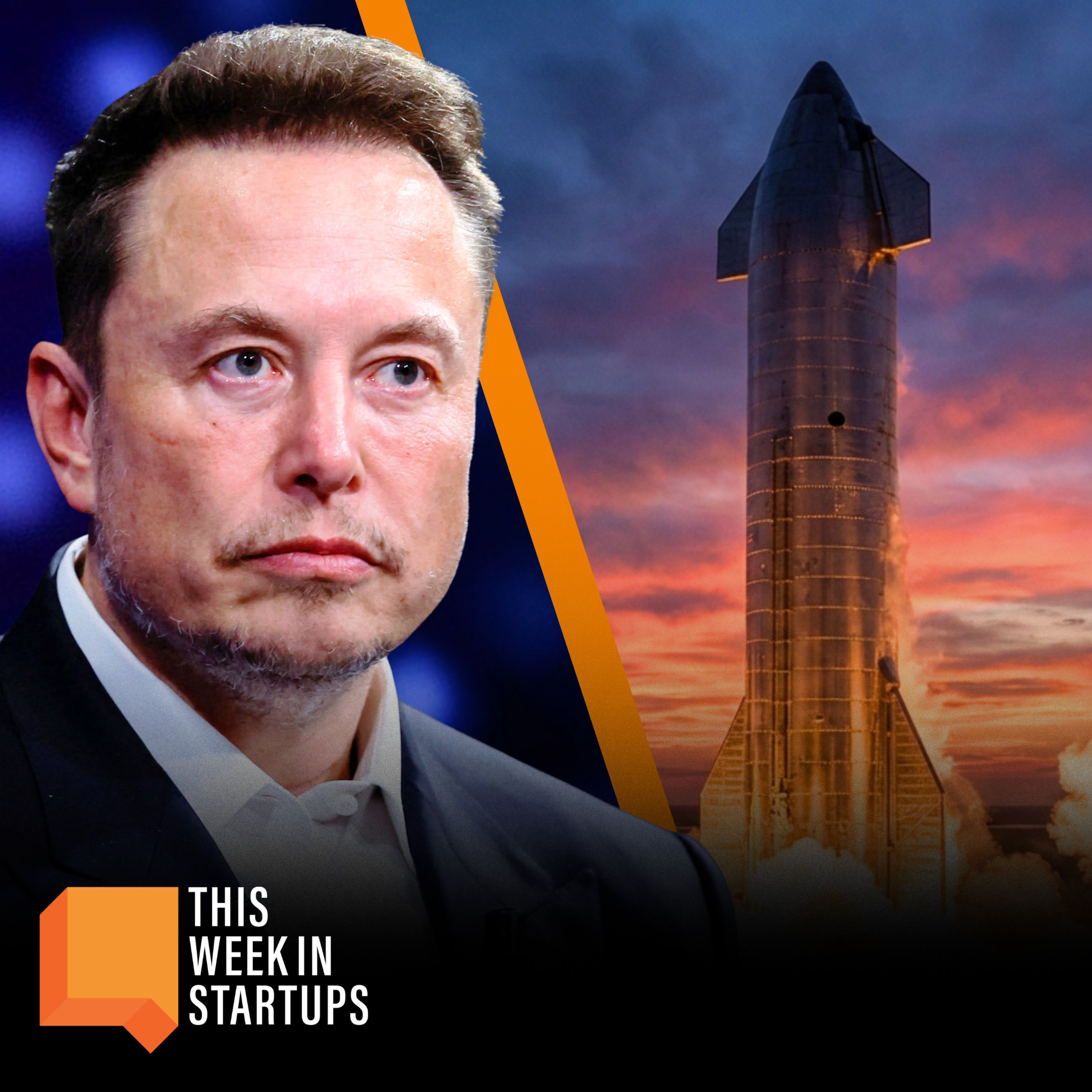
SpaceX is reportedly targeting a $1.5 trillion IPO to raise $30 billion. This capital isn't just for rockets but to fund a new AI infrastructure business: data centers in space. This represents a significant strategic shift, leveraging its launch dominance to compete in the AI compute market by acquiring massive quantities of GPUs.

The merger between SpaceX and xAI is being justified by the strategic narrative of building "data centers in space." This positions SpaceX's satellite network not just as a communications provider but as the essential physical infrastructure for a future AI-driven world, providing a rationale for combining rockets and AI.

A key rationale for merging SpaceX and Elon Musk's XAI is to fund the development of data centers in orbit. The logic is that space provides free, extreme cooling and unlimited solar energy, solving two of the biggest cost and physical constraints of terrestrial AI infrastructure.
