Get your free personalized podcast brief
We scan new podcasts and send you the top 5 insights daily.
Instead of seeking investment, the founder funded growth by using all revenue from a small product run (20 hats) to finance a slightly larger subsequent run (80 hats), and then a new product (ashtrays). This created a self-funding snowball effect for inventory.

Related Insights
The founder of Bossy Tamper treated his first-generation, manually assembled product as a "business proof of concept." Instead of seeking outside capital, he sold these early units and used the revenue to directly fund the expensive injection molding tools required for the next generation.

The founders started with only $5k in savings and a $10k credit card. By focusing on being profitable from day one and avoiding debt for salaries, they organically grew their CPG brand to over a million dollars in revenue in four years without any external funding.
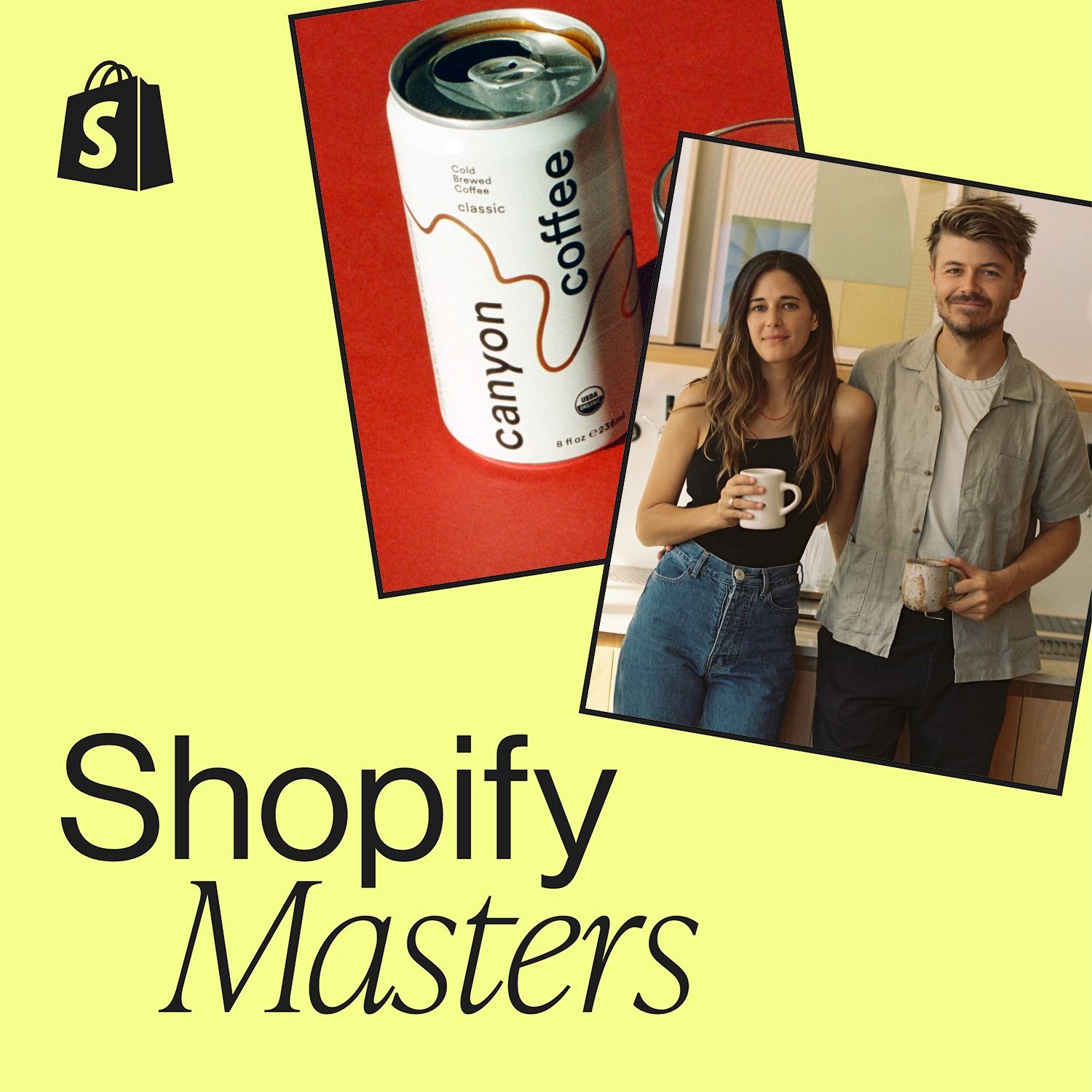
MadeGood's founders intentionally used private label and contract manufacturing revenue to cover overhead and invest in their own brand. This provided the necessary cash flow for growth without giving up equity, acting as an internal, non-dilutive funding source.

Having not raised capital since 2021, The Gist operates by using revenue from its existing products to fund its next strategic bets. This forces a disciplined approach, prioritizing new initiatives with a clear path to monetization to fuel future growth.

The founder's background in photography, video, and digital marketing allowed him to handle all customer acquisition efforts for years. This saved significant cash, enabling every dollar of revenue to be reinvested directly into inventory and fuel faster growth without outside capital.
To bootstrap her company, the founder rented out her spare bedroom on Airbnb. This income covered her mortgage, freeing up 100% of business revenue for reinvestment. As a bonus, guests often became temporary helpers and early brand evangelists.
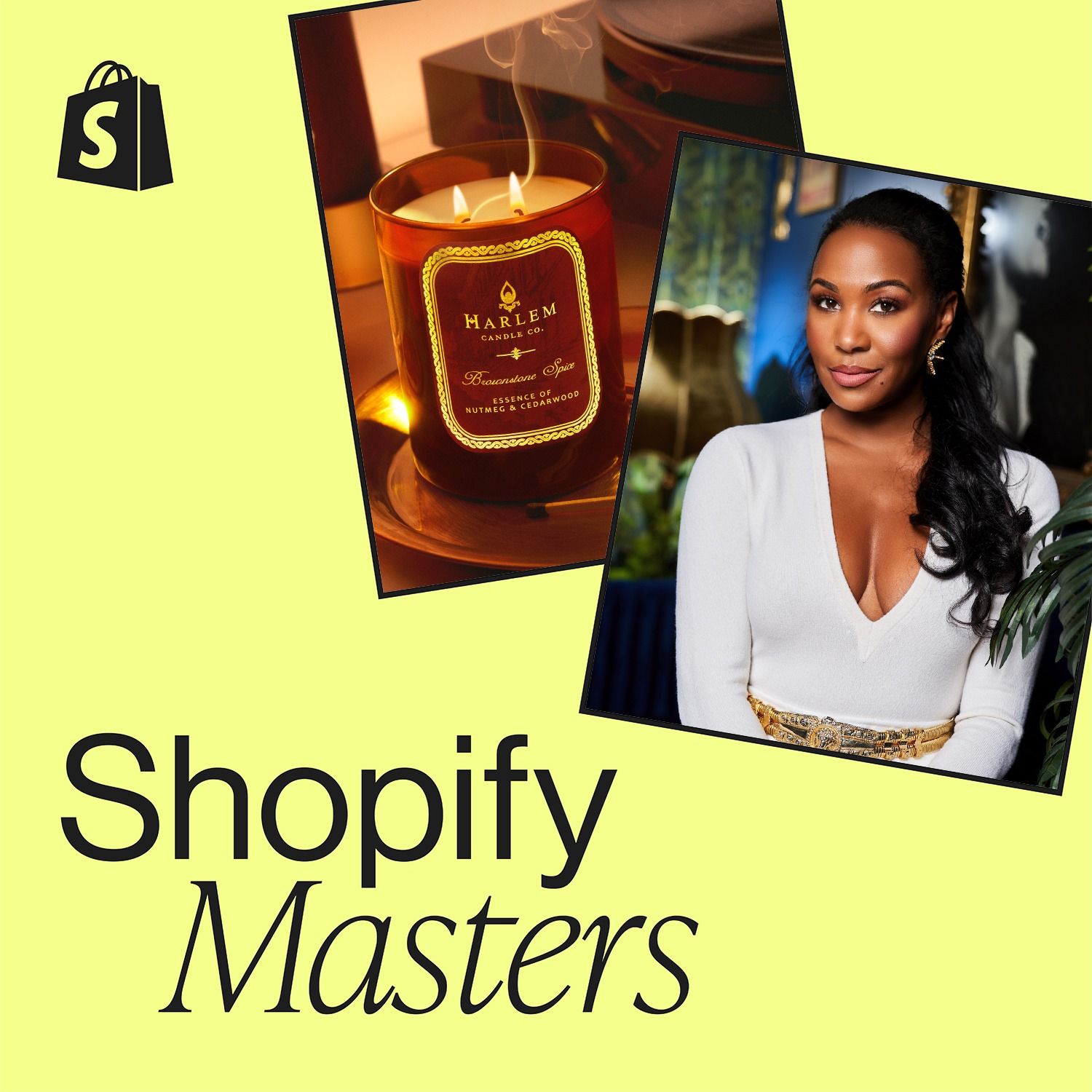
Phil Knight intentionally ran Nike with no cash reserves, reinvesting every dollar into more inventory. He believed conservative entrepreneurs failed. This "Grow or Die" approach, while pushing the company to the brink of bankruptcy multiple times, ensured they always met massive market demand.

Flipsnack proves the model of using founder-owned profits to reach significant scale. Only after hitting $15M ARR did they take on non-dilutive debt capital for targeted acceleration, like opening international sales offices. This avoids early dilution and maintains 100% ownership while fueling growth.

The pillow company was bootstrapped with a one-time $10,000 investment and never required additional capital. This demonstrates a path to a multi-million dollar business without relying on venture funding, focusing instead on immediate profitability and reinvesting cash flow from operations.

Starting with drop shipping proved the concept but offered unsustainable margins. The pivot to in-house apparel manufacturing unlocked significantly higher profits (from a £2 margin to £15). This allowed them to reinvest capital back into the business, fueling actual growth.