Get your free personalized podcast brief
We scan new podcasts and send you the top 5 insights daily.
The Broadway adaptation of 'The Lion King' has grossed over $11 billion, making it the single most successful entertainment product ever created, surpassing any film. This demonstrates the immense, often underestimated, financial power of extending strong IP into different, high-margin mediums.

Related Insights
Animated characters offer superior long-term value. They are timeless, ageless, and always available to work. This avoids the problems of aging actors, scheduling conflicts, and massive profit-sharing deals, making the underlying IP a more robust and controllable asset for a flywheel business model.
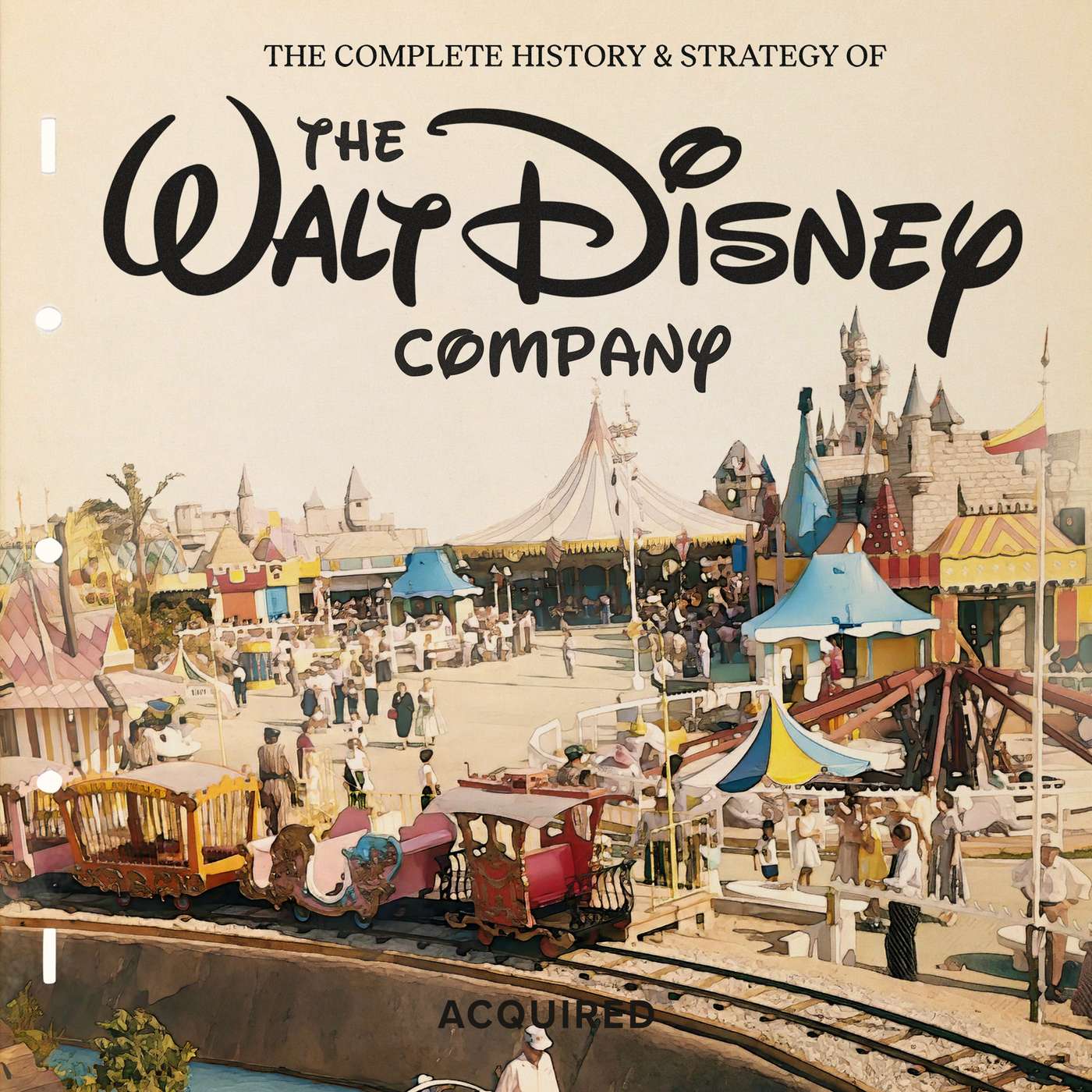
Disney uses ancillary products like daily comic strips and merchandise to maintain constant fan engagement and market presence. This keeps the brand top-of-mind without devaluing the scarce, high-quality core film releases, which are reserved for major cultural moments.
Instead of predictable sequels, Netflix is turning its surprise hit "K-pop Demon Hunters" into a global concert tour. This move demonstrates how to creatively monetize original IP after a surprise success, especially when traditional channels like merchandise were missed, offering a lesson in creative risk-taking.

Initial theatrical runs for films like 'The Little Mermaid' were modest. The true financial success came from the new home video market (VHS). This created a massive, high-margin revenue stream that justified huge investments in animation and fundamentally changed the industry's economic model.
The creative breakthrough for Disney's 90s renaissance was reframing animated movies as Broadway musicals, not just cartoons with songs. This structural change, led by Howard Ashman and Alan Menken, focused on character-driven musical numbers that propelled the story, creating timeless hits like 'The Little Mermaid'.
While theatrical films define Disney in the public consciousness, they represent a tiny fraction of its business. The box office now serves as a marketing engine for the true profit centers: streaming subscriptions, parks, cruises, and merchandise, which together make up 97% of the company's revenue.
While YouTube dominates in content volume and ad revenue, Hollywood's enduring power lies in its ability to amplify a successful piece of intellectual property into a global franchise. Creators are leveraging Hollywood not just to make a movie, but to access its machinery for building sequels, merchandise, and games.

A merger would combine Disney's irreplaceable parks and legacy IP with Netflix's streaming dominance, modern IP ('Stranger Things'), and strong leadership. This synergistic deal would create a company that dominates both at-home and in-person entertainment, making it highly defensible against AI and other disruptors.

The longevity of an intellectual property hinges on its ability to transcend its original format. Mickey Mouse became an icon by expanding into film, TV, and theme parks, becoming a multi-dimensional character. In contrast, Beanie Babies remained shelf-bound toys, becoming a fad. Lasting value requires taking risks to expand IP across media.
Successful intellectual property can evolve far beyond its original form. The Grinch followed a path from Media (book, films) to Experiences (cruises, theme parks), and finally to Fashion and Consumer Goods (sneakers, makeup), creating multiple, compounding revenue streams.