Get your free personalized podcast brief
We scan new podcasts and send you the top 5 insights daily.
Giving teams a 'token budget' is flawed because it incentivizes generating low-value output to hit a quota, similar to bad hiring quotas. Instead, companies must tie token consumption directly to business KPIs. This reframes AI spend as a value-creating investment, not a cost to be managed.

Related Insights
By ranking engineers on AI token consumption, Meta is experiencing Goodhart's Law: "When a measure becomes a target, it ceases to be a good measure." Employees reportedly build bots to needlessly burn tokens for status, demonstrating how gamifying a proxy metric can backfire and disconnect from actual business impact.

When companies measure AI adoption by counting tokens used, it creates a perverse incentive. Employees and their teams create agents to perform pointless tasks simply to boost their metrics, leading to fake productivity and problematic artifacts.

In the current 'capability exploration' phase, companies incentivize developers to use as many AI tokens as possible. This serves as a visible, albeit inefficient, signal of AI adoption to management, prioritizing quantity over quality.

Gamifying AI token consumption via internal leaderboards, as seen at Meta, creates perverse incentives. Employees may burn tokens to climb the ranks rather than to solve real business problems. This "tokenmaxxing" promotes conspicuous consumption of compute, a vanity metric that masks true productivity and ROI.

While seemingly logical, hard budget caps on AI usage are ineffective because they can shut down an agent mid-task, breaking workflows and corrupting data. The superior approach is "governed consumption" through infrastructure, which allows for rate limits and monitoring without compromising the agent's core function.

Ramp's CPO argues companies shouldn't excessively worry about AI token costs. If an AI agent can deliver 10x the output of a human, it's logical and profitable to pay the agent (via tokens) more than the human's salary. This reframes ROI from a cost center to a massive productivity investment.

In the AI era, token consumption is the new R&D burn rate. Like Uber spending on subsidies, startups should aggressively spend on powerful models to accelerate development, viewing it as a competitive advantage rather than a cost to be minimized.

Heavy use of AI agents and API calls is generating significant costs, with some agents costing $100,000 annually. This creates a new financial reality where companies must budget for 'tokens' per employee, potentially making the AI's cost more than the human's salary.

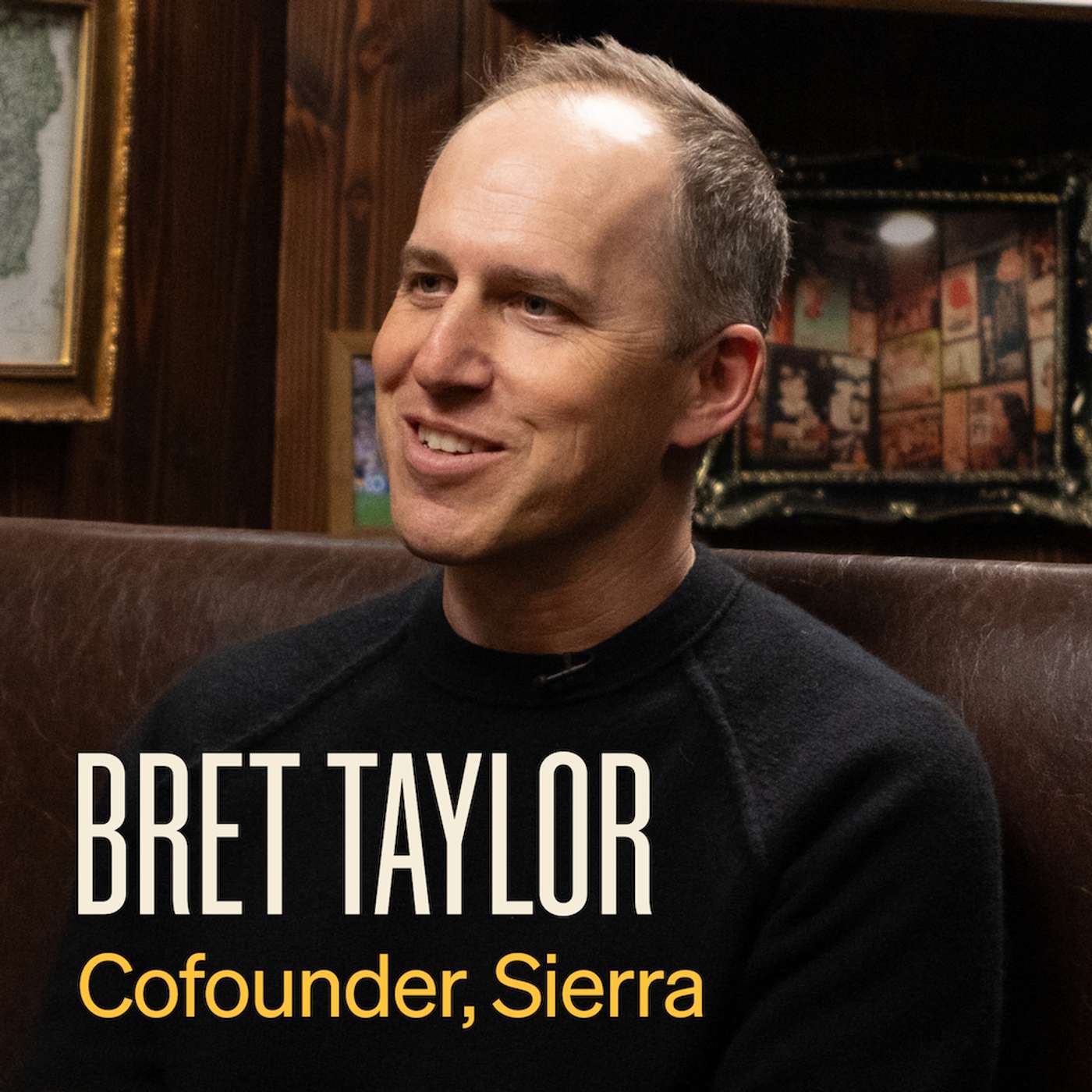
Bret Taylor of Sierra argues outcome-based pricing (charging for a resolved case) is superior to usage-based pricing (charging for tokens). It aligns vendor and customer interests by tying cost directly to business value, not resource consumption. This forces the vendor to improve product effectiveness, not just optimize for usage.
Setting operational KPIs for AI usage is risky. The technology is volatile, and incentives can backfire, like the famous 'cobra effect' story. Instead of measuring AI usage directly, leaders should keep focusing on core business goals and treat AI as a means to achieve them, not an end in itself.
