Get your free personalized podcast brief
We scan new podcasts and send you the top 5 insights daily.
To deploy advanced satellites into sun-synchronous orbits, SpaceX needs new launch sites suitable for southern trajectories over open water. Its current Texas and Florida locations are geographically unsuitable. The company's next strategic move will likely involve acquiring land for new launch pads, possibly in Louisiana.

Related Insights
Beyond rockets and Starlink, SpaceX's IPO is driven by the capital needed for its most ambitious goal: a fleet of space-based AI data centers. This venture is too expensive for private markets, forcing the public offering despite Elon Musk's previous reservations about short-termist investors.
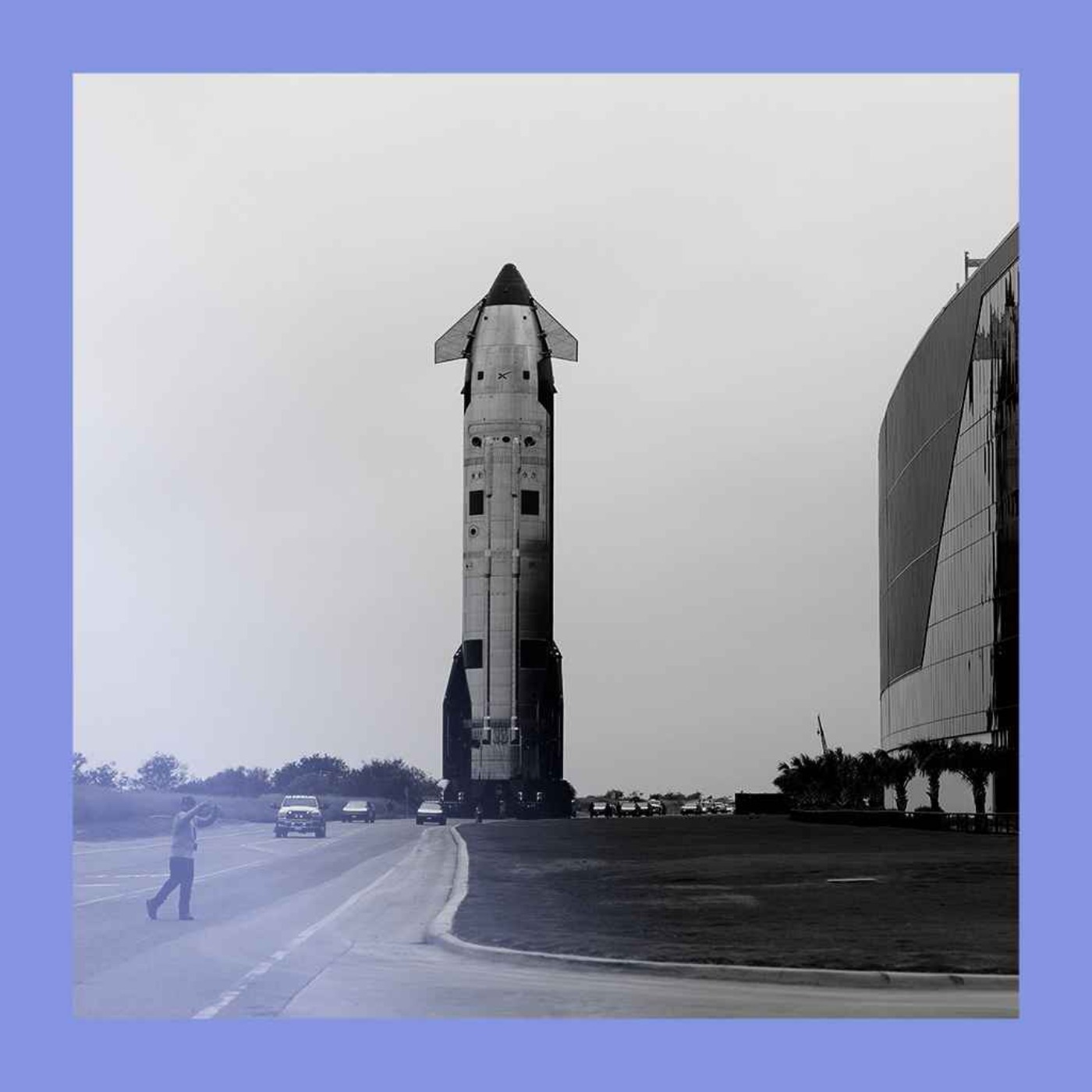
The entire strategy of building data centers in space is only economically feasible because SpaceX's Starship is projected to increase launch capacity by 20 times and drastically lower costs. This specific technological leap turns a sci-fi concept into a viable business model.
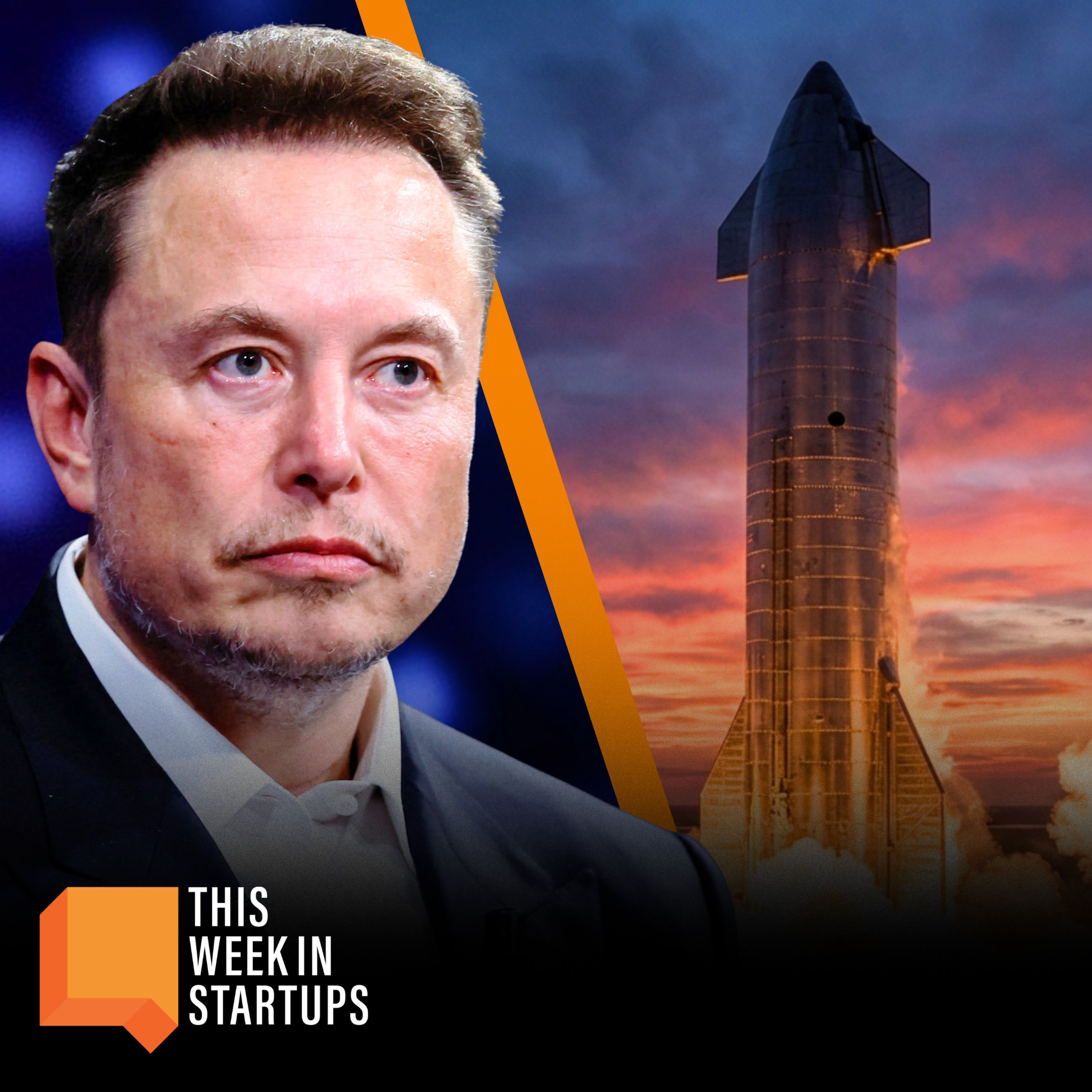
The grand proposal for a million-satellite orbital data center serves a dual purpose. It's not just about future technology; it's a strategic narrative play to convince potential IPO investors that SpaceX is a major player in the lucrative AI space, not merely a rocket and satellite internet company.
SpaceX acts like a container ship, dropping satellites into a general orbit. This creates a massive business opportunity for an entire ecosystem of 'last-mile' services, including orbital transport to specific planes ('FedEx of space'), debris removal ('Allied Waste of space'), and in-space power generation.

The merger leverages SpaceX's heavy launch capabilities to deploy space-based data centers for xAI, capitalizing on abundant solar power and the vacuum of space for cooling. This creates a massive competitive advantage by eliminating terrestrial energy and real estate costs.
SpaceX is reportedly targeting a $1.5 trillion IPO to raise $30 billion. This capital isn't just for rockets but to fund a new AI infrastructure business: data centers in space. This represents a significant strategic shift, leveraging its launch dominance to compete in the AI compute market by acquiring massive quantities of GPUs.

Contrary to his long-held anti-IPO stance, Elon Musk is reportedly racing to take SpaceX public. The primary driver is the immense capital required to build AI data centers in space, a strategic pivot from Mars colonization to competing in the orbital computing infrastructure race against rivals like Jeff Bezos.

SpaceX's cash-cow, Starlink, is facing network congestion due to rapid growth. The solution requires larger satellites that are too big for the current Falcon 9 rocket. The success of the much larger, reusable Starship is therefore a critical bottleneck for unlocking Starlink's future profitability and expansion.
Unlike tech giants dominating terrestrial markets like search or e-commerce, SpaceX's near-monopoly on space launch makes it the gatekeeper to the entire physical universe. This reframes its potential from a niche industry player to a foundational utility for all future off-planet endeavors.

A key rationale for merging SpaceX and Elon Musk's XAI is to fund the development of data centers in orbit. The logic is that space provides free, extreme cooling and unlimited solar energy, solving two of the biggest cost and physical constraints of terrestrial AI infrastructure.
