Get your free personalized podcast brief
We scan new podcasts and send you the top 5 insights daily.
Our intuitions depend on how a problem is framed (e.g., 'saving lives' vs. 'preventing deaths'). When shown both frames at once, the conflicting intuitions cancel each other out. This doesn't lead to a more rational choice but to being 'dumbfounded,' stripped of any intuitive guide for action.

Related Insights
People are often paralyzed by decisions because they fear making the "wrong" choice. This is a fallacy, as it's impossible to know how the alternative path would have played out. The outcome is determined by your mindset—optimists reframe any result as a win, while pessimists find fault even in success.

The "moral dumbfounding" phenomenon reveals we often have an instant, gut-level decision and *then* invent reasons to justify it. We believe we're reasoning our way to a conclusion, but we're often just rationalizing an intuition we already hold.

When facing a difficult choice that creates persistent unease or uncertainty, it's often a signal that the correct path is to decline or opt out. This heuristic, borrowed from investor Naval Ravikant, helps cut through complex analysis paralysis, especially in situations with ethical ambiguity.

Counterintuitively, the absence of emotion leads not to pure rationality but to an inability to make decisions. Neuroscientist Antonio Damasio's research on patients with damaged emotional brain centers shows they can list pros and cons indefinitely but cannot make a final choice, revealing emotion is a necessary component of decision-making.

The button experiment's interpretation hinges on framing. Is pressing Blue an "Ultimate Death Gamble" where you risk your life for the group? Or is pressing Red an "Ultimate Murder Gamble" where you actively risk killing the Blue-pressers? This reframing highlights how moral responsibility is perceived differently based on the narrative.

Intuition excels in areas like chess or boxing where we get immediate, repeated feedback. It fails in complex domains like choosing a charity or making social policy, where feedback is slow, noisy, or nonexistent. We mistakenly trust our intuition in these low-feedback environments where it's unreliable.

It's easy for our minds to switch from a positive frame (e.g., 70% survival rate) to a negative one (30% mortality rate). However, the reverse shift is cognitively difficult and slower, revealing an inherent neurological bias that makes negative framing 'stickier'.
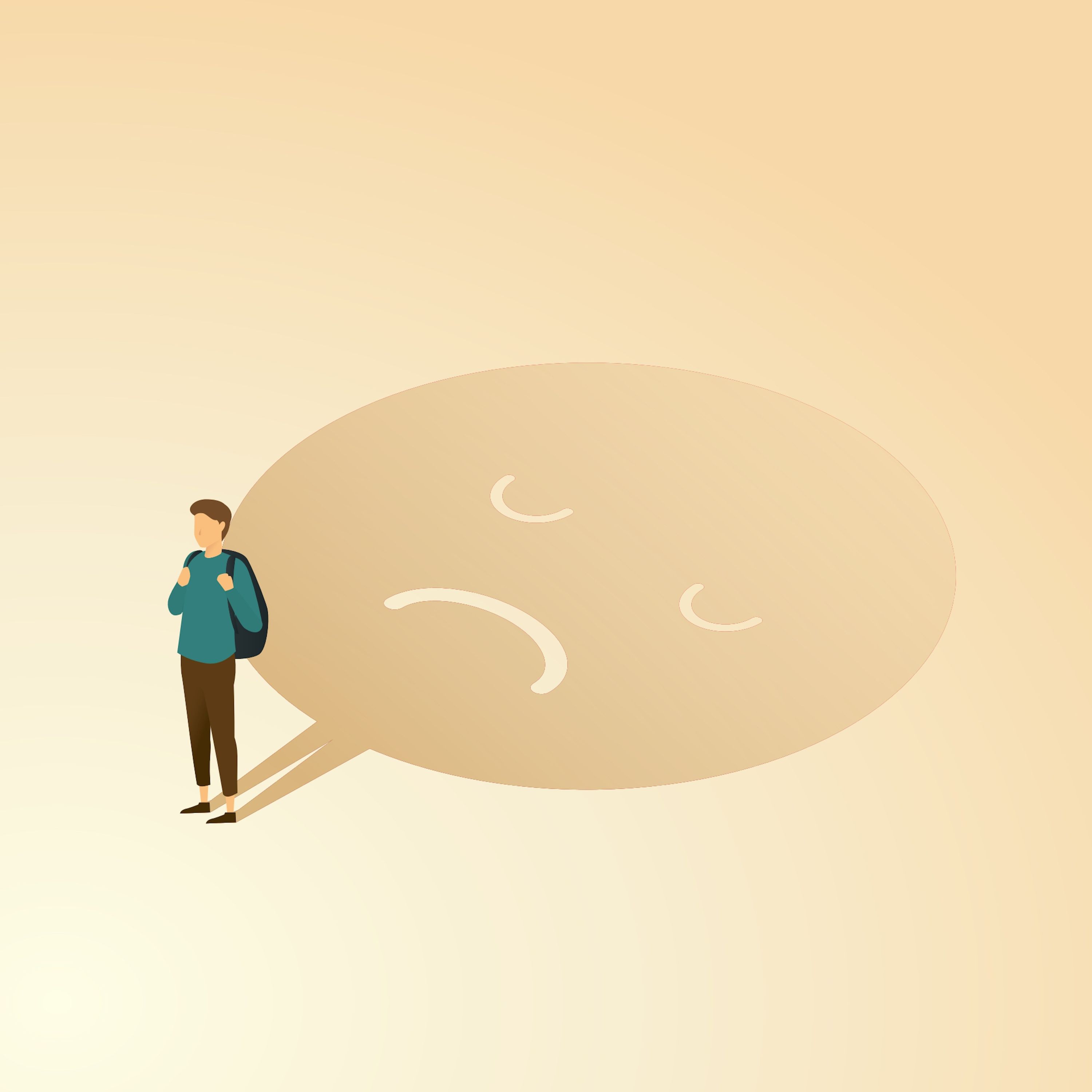
When facing a tough choice, people often frame it as "do X or not." A better framework is to define the specific, concrete alternative (e.g., "send kid to daycare or hire a nanny" vs. "or quit my job"). This clarifies the true trade-offs involved.

Thought experiments like the trolley problem artificially constrain choices to derive a specific intuition. They posit perfect knowledge and ignore the most human response: attempting to find a third option, like breaking the trolley, that avoids the forced choice entirely.

The thought experiment's framing dramatically shifts its moral calculus. Presenting the red button as triggering an "ultimate murder gamble" vs. the blue button's "ultimate death gamble" reveals how easily ethical choices are manipulated by presentation, turning a rational decision into a question of moral complicity.