Get your free personalized podcast brief
We scan new podcasts and send you the top 5 insights daily.
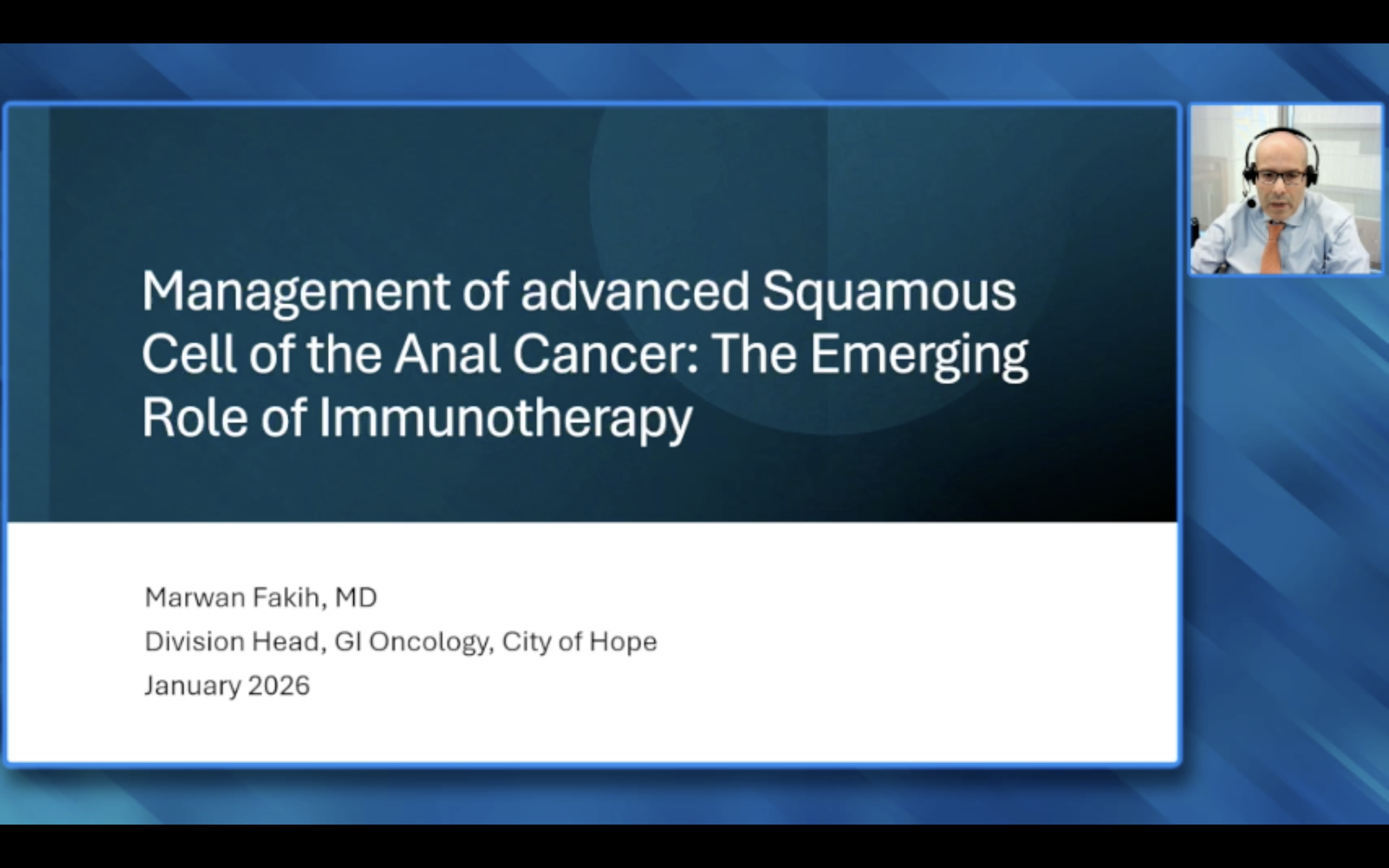
Despite the HPV vaccine's effectiveness against related cancers, population-level incidence of anal cancer is projected to keep increasing. This is likely due to the lag time for vaccination's population-level impact and disparities in vaccine uptake across different socioeconomic and ethnic groups.
Related Insights
A meta-analysis of over 9,500 patients in major prostate cancer trials, including the pivotal VISION and PSMA-4 trials for radioligand therapy, shows significant underrepresentation of Black and Hispanic patients. This creates a critical evidence gap when applying these therapies to diverse real-world populations.
Many childhood cancer survivors do not receive lifelong specialized follow-up, yet they face significantly increased health risks decades later. The solution is not to keep all patients in specialist clinics, but to build stronger relationships with primary care providers by equipping them with treatment summaries, screening guidelines, and open lines of communication.

Even in healthcare systems with universal free access, like the UK's NHS, the actual uptake of immunotherapy for metastatic kidney cancer is only about 60%. This real-world gap strengthens the argument for adjuvant therapy, as it ensures high-risk patients receive potentially life-saving treatment they might otherwise miss upon relapse.

While federal policy is a concern, the primary battle against vaccine misinformation is now in state legislatures. Bio reports over 200 anti-vaccine bills were introduced in a single month, highlighting the decentralized and growing nature of this public health threat.

Effective vaccines eradicate the visible horror of diseases. By eliminating the pain and tragic outcomes from public memory, vaccines work against their own acceptance. People cannot fear what they have never seen, leading to complacency and vaccine hesitancy because the terrifying counterfactual is unimaginable.

Widespread adoption of preventive health measures faces a major political hurdle. Politicians on four-year election cycles are incentivized to fund programs with immediate effects, rather than long-term prevention initiatives that may take 20-30 years to show results.

High COVID-19 vaccine rejection in some UK minority communities was not simple hesitancy. It was driven by a deep distrust born from a lack of representation in clinical trials and public health communications, making people feel the vaccine 'isn't for me.'
When a public health intervention successfully prevents a crisis, the lack of a negative outcome makes the initial action seem like an unnecessary overreaction. This paradox makes it difficult to justify and maintain funding for preventative measures whose success is invisible.

Chronic illnesses like cancer, heart disease, and Alzheimer's typically develop over two decades before symptoms appear. This long "runway" is a massive, underutilized opportunity to identify high-risk individuals and intervene, yet medicine typically focuses on treatment only after a disease is established.

A child's chance of surviving cancer depends heavily on geography. The survival rate is 80% in high-income countries but plummets to 20% in low-income ones, not because the disease is different, but because of unequal access to care and systemic support.