Get your free personalized podcast brief
We scan new podcasts and send you the top 5 insights daily.
Inspired by Musk's Twitter takeover, Cohen argues that bloated headcounts at large companies stifle innovation. He believes smaller teams foster a 'startup mode' mentality, enabling faster execution. He plans to apply this playbook to eBay, questioning the need for 11,500 employees in an asset-light business.

Related Insights
CEO Ryan Cohen revealed that GameStop went from over 1,400 corporate employees to just 400, yet became more productive. He argues large corporate teams create bloat, perverse incentives, and delegation of work. The radical downsizing improved focus and business results.

CEO Andy Jassy frames recent layoffs not as a cost-cutting measure or response to AI, but as a deliberate effort to flatten the organization. The goal is to remove bureaucratic layers that strip ownership from employees, restoring the company's "world's largest startup" ethos and enabling faster decision-making.

Amazon CEO Andy Jassy clarifies that recent layoffs were not driven by AI efficiency gains but by a cultural reset to fight bureaucracy and restore employee ownership. The goal is to operate like the "world's largest startup" and eliminate process slowdowns like "the pre-meeting for the pre-meeting for the meeting."
By strictly limiting team size, a company is forced to hire only the “best in the world” for each role. This avoids the dilution of talent and communication overhead that plagues growing organizations, aiming to perpetually maintain the high-productivity “mind meld” of a founding team.

Contradicting the common startup goal of scaling headcount, the founders now actively question how small they can keep their team. They see a direct link between adding people, increasing process, and slowing down, leveraging a small, elite team as a core part of their high-velocity strategy.
Despite massive growth, Applovin executed a 50% layoff in some departments. The goal was to rebuild the organization for an AI-native future by eliminating roles susceptible to automation *before* it happened. This forced faster adoption of new technology and removed potential internal resistance to change.

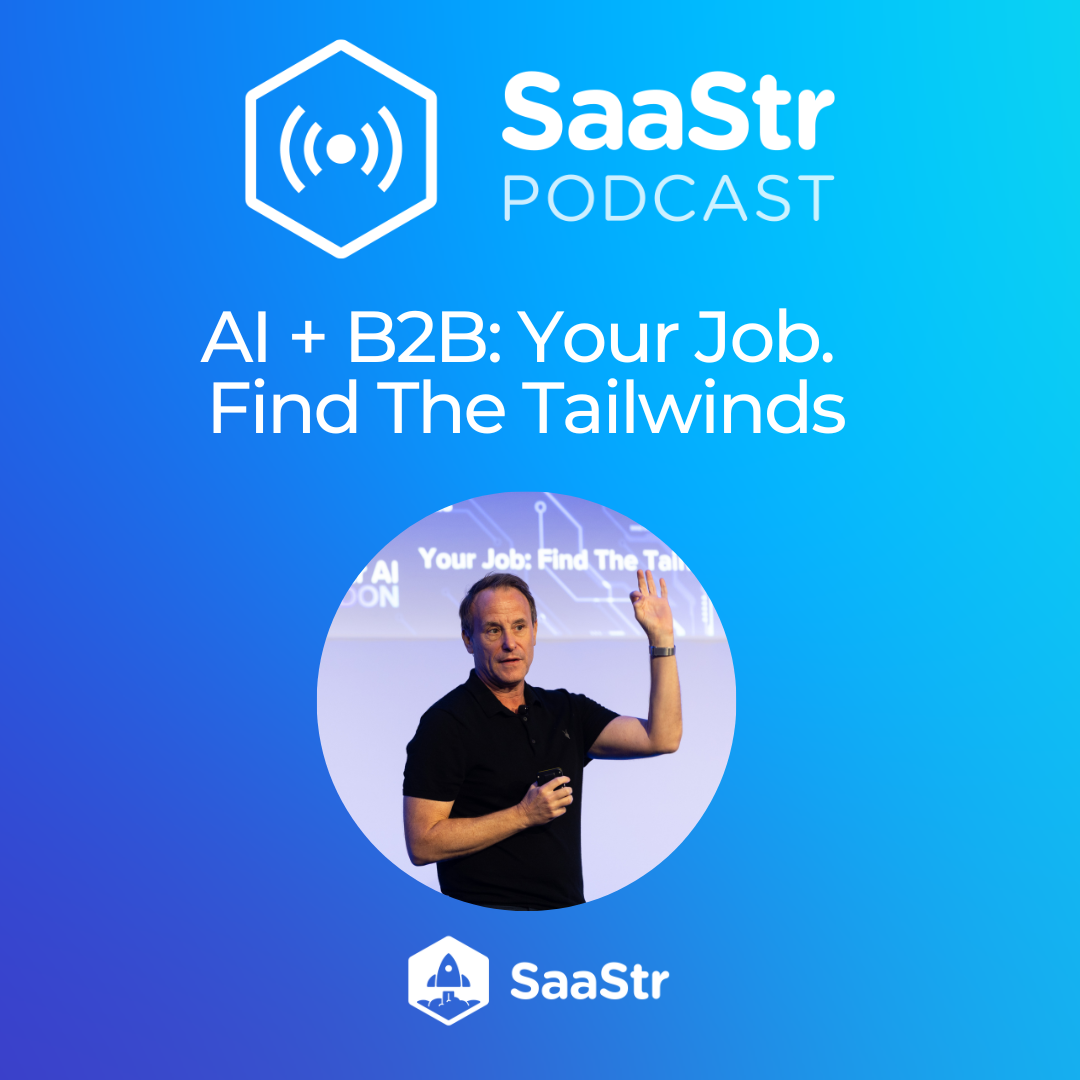
The paradigm has shifted from linear scaling (more people equals more revenue) to efficiency-driven growth. Leaders who still use "I don't have enough headcount" as an excuse for missing targets are operating with an obsolete model and hindering progress in the AI era.
Drawing from experience at big tech, Surge AI's founder believes large organizations slow down top performers with distractions. By building a super-small, elite team, companies can achieve more with less overhead, a principle proven by Surge's own success.

The founder, who left a $1.3M+ Google role, argues that major AI innovations (ChatGPT, Claude Code, OpenClaw) come from nimble teams. Large corporations' approval processes and guardrails stifle the rapid, experimental iteration necessary for true breakthroughs, making them poor environments for building the future of AI.

The public example of X operating with 85% fewer staff created a powerful meta-narrative influencing founders to build leaner. As a result, the median Series A company team size has dropped from 25 employees in 2021 to a projected 15, a significant shift toward capital efficiency over hiring.
