Get your free personalized podcast brief
We scan new podcasts and send you the top 5 insights daily.
Avocado's founder saw an opportunity because legacy brands had outsourced their storytelling to retail salespeople, losing their direct voice with consumers. This created widespread customer frustration and an opening for a new, transparent brand to build trust by communicating its value proposition directly.

Related Insights
Recognizing that mattresses are a researched, non-impulse buy, Avocado eschews short-form viral marketing. Instead, they invest in deep storytelling, like an annual impact report, to build trust with customers who are already doing extensive research. The goal is education and brand alignment, not a quick sale.
A powerful entry strategy is to target industries where legacy players have notoriously bad customer service. You don't need a massively differentiated product to win. Simply providing responsive, high-quality customer service can create a cult-like following and a strong competitive advantage.

Numi initially used a wholesale model but found it ineffective. They were relying on third-party retail staff to explain a new product category and address the social stigma around sweating. Shifting to direct-to-consumer (DTC) allowed them to control the narrative, educate customers directly, and grow 300%.

By delaying wholesale partnerships until the brand was a significant draw for retailers, Avocado retained control over pricing, presentation, and messaging. This strategic patience prevented the brand dilution that often occurs when young companies give powerful retailers too much leverage in negotiations.
While many D2C brands use third-party manufacturing to scale, Avocado's capital-intensive vertical integration became a key differentiator. This allows for unique products and better value, creating a long-term competitive advantage that asset-light competitors who rely on shared factories cannot replicate.
Contrary to fears of channel conflict, Avocado found that opening wholesale partnerships did not decrease D2C sales. Instead, the increased distribution created a "snowball effect," enhancing overall brand awareness and growing the total market for all channels.
Large CPG players have slow, agency-driven feedback loops. Nimble DTC brands can win by rapidly testing creative, messaging, and offers online, gaining an insurmountable learning advantage. Speed itself becomes the strategic edge, not just a byproduct of being small.

The mattress brand defied DTC convention by investing solely in upper-funnel media like out-of-home at launch. The strategy was to create a 'physical adjacency' to other premium brands and build trust for a high-consideration purchase. This approach sidestepped the volatile performance marketing cycle and established a premium brand perception from day one.

To create its "experience centers," Avocado researched common complaints about mattress shopping—high pressure, poor lighting, overwhelming choice—and did the opposite. This framework turned a dreaded errand into a pleasant experience by creating spacious, calm environments with fewer beds and no upselling.
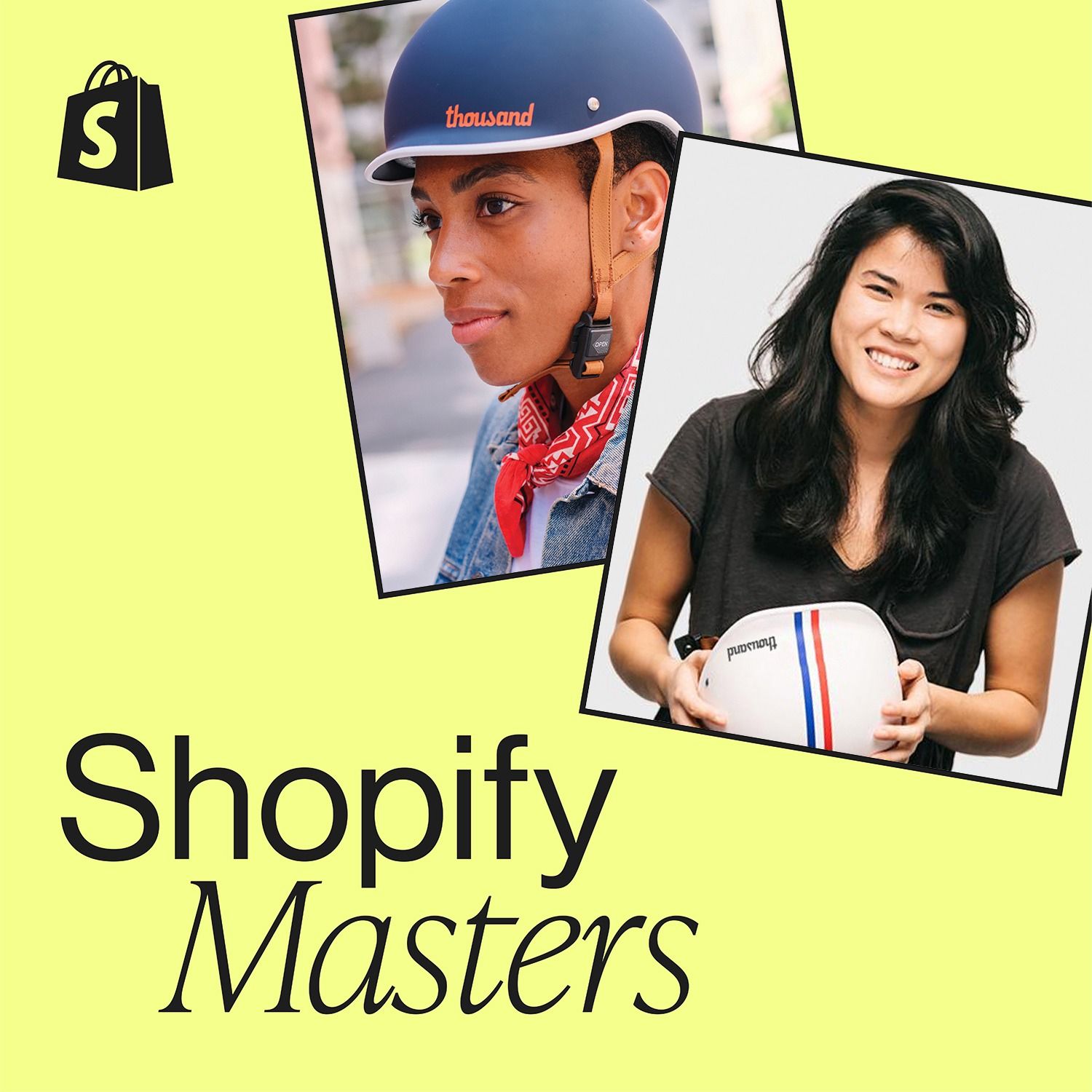
Thousand's founder found a market gap by identifying a core flaw in the legacy helmet industry: competitors designed products to fit retail buyers' checklists for price and features. This created a disconnect with end-users, opening a path for a brand focused on solving the real functional and emotional pain points of the actual rider.