Get your free personalized podcast brief
We scan new podcasts and send you the top 5 insights daily.
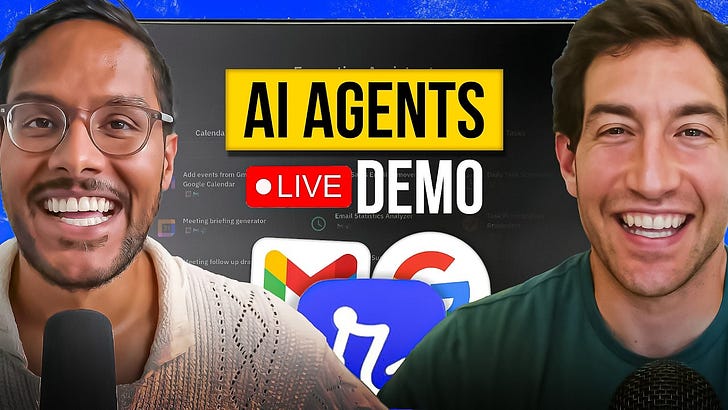
Contrary to their name, software development agents are not just for coders. Their ability to interact with files, apps, and data makes them powerful productivity tools for non-technical roles like sales. This signals their evolution from niche coding assistants to general-purpose AI systems for any computer-based work.

Related Insights
AI agents built for coding are being used for general knowledge work like creating slide decks or analyzing health data. These agents autonomously write scripts to crawl websites, bypass bot protection, and analyze information, making them a superpower for any computer-based professional, not just developers.

The most significant productivity gains come from applying AI to every stage of development, including research, planning, product marketing, and status updates. Limiting AI to just code generation misses the larger opportunity to automate the entire engineering process.

The emergence of personal AI assistants that can be integrated with private data (email, Slack) and execute tasks (send emails, build CRMs) represents a new paradigm. This moves AI from a passive research tool to an active, autonomous agent capable of performing complex knowledge work, fundamentally changing productivity.
Modern AI coding agents allow non-technical and technical users alike to rapidly translate business problems into functional software. This shift means the primary question is no longer 'What tool can I use?' but 'Can I build a custom solution for this right now?' This dramatically shortens the cycle from idea to execution for everyone.

Moving beyond chatbots, tools like Claude Cowork empower non-coders to create complex, multi-step autonomous workflows using natural language. This 'agentic' capability—connecting documents, searches, and data—is a key trend that will democratize automation and software creation for all knowledge workers.

The primary interface for managing AI agents won't be simple chat, but sophisticated IDE-like environments for all knowledge workers. This paradigm of "macro delegation, micro-steering" will create new software categories like the "accountant IDE" or "lawyer IDE" for orchestrating complex AI work.

The term 'Claude Code' is a misnomer. Advanced users see these tools not just for coding, but as a generalized 'cloud computer.' By giving an agent access to files, terminals, and browsers, it becomes a versatile tool capable of any task, from program management to data analysis.
The primary impact of AI coding tools is enabling non-coders to perform complex development tasks. For example, a hedge fund analyst can now build sophisticated financial models simply by describing the goal, democratizing software creation for domain experts without coding skills.
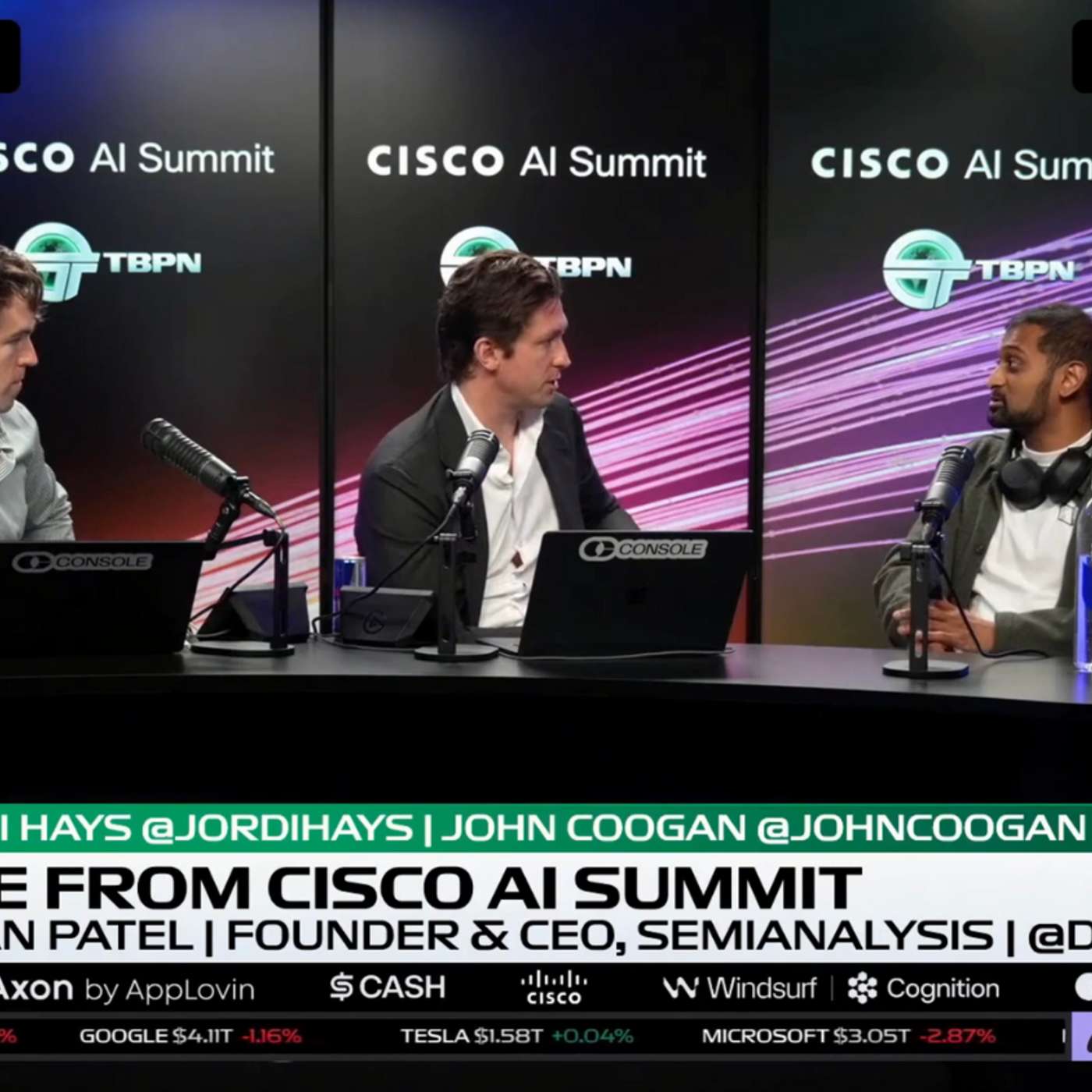
The future of software isn't just AI-powered features. It's a fundamental shift from tools that assist humans to autonomous agents that perform tasks. Human roles will evolve from *doing* the work to *orchestrating* thousands of these agents.
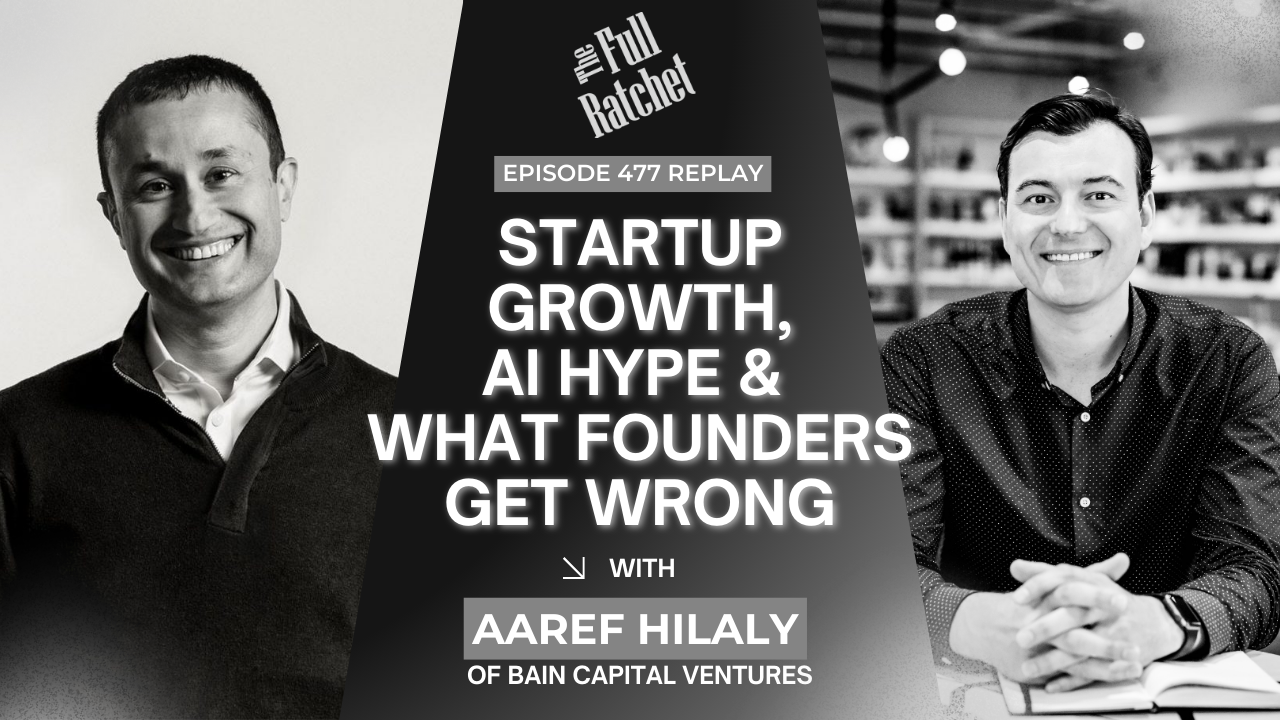
The paradigm shift with AI agents is from "tools to click buttons in" (like CRMs) to autonomous systems that work for you in the background. This is a new form of productivity, akin to delegating tasks to a team member rather than just using a better tool yourself.