Get your free personalized podcast brief
We scan new podcasts and send you the top 5 insights daily.
Clinicians recommend starting abemaciclib at 100mg BID, rather than the standard 150mg, to mitigate initial GI toxicity. This dose-escalation approach, supported by the TRADE study, improves long-term adherence and allows more patients to reach the target dose without discontinuing.

Related Insights
Due to fedratinib's significant GI side effect profile and the logistical difficulty of measuring thiamine levels, clinicians should proactively provide patients with thiamine supplements, anti-emetics, and anti-diarrheal therapies. Instructing patients to take the drug with food can also help mitigate GI toxicity.
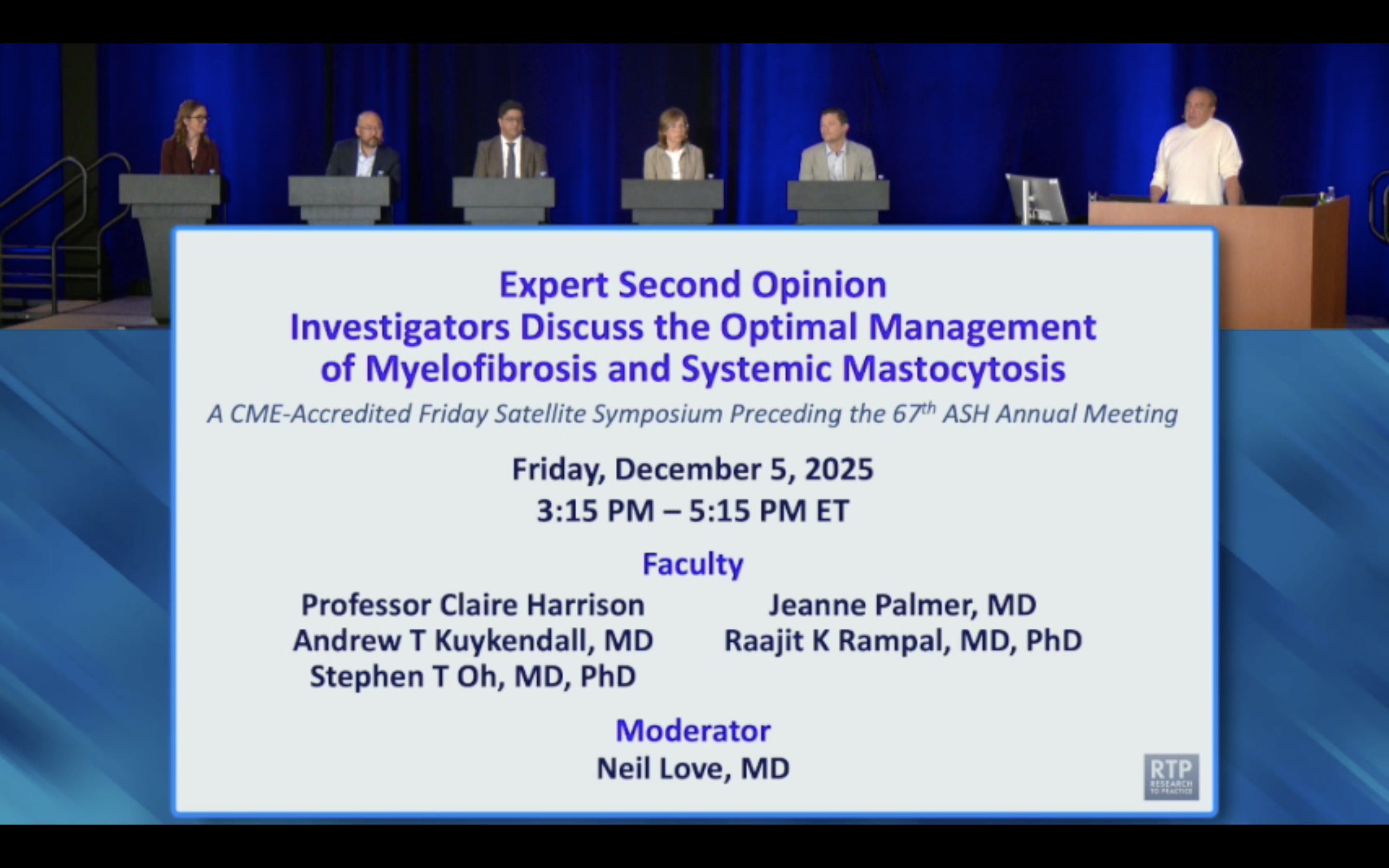
Hedgehog inhibitors for basal cell carcinoma cause significant side effects like dysgeusia and muscle cramps. To improve tolerability and long-term adherence, clinicians use practical strategies like scheduled treatment interruptions (e.g., weeks on, weeks off) rather than continuous daily dosing.
The failure of an adjuvant trial for the TKI pazopanib was likely caused by a protocol change that reduced the dose to manage transaminitis. While well-intentioned to improve tolerability and adherence, the lower dose was sub-therapeutic. This serves as a critical lesson that managing side effects by compromising dose can nullify a drug's potential efficacy.

For patients with significant comorbidities like cardiovascular disease, proactively starting lenvatinib at a reduced dose (e.g., 14mg instead of 20mg) is a practical strategy to mitigate anticipated severe toxicities from the outset.

New targeted therapies like Zanidatamab and Zolbetuximab show great promise but cause significant side effects like diarrhea and nausea. Their successful clinical adoption hinges on proactive management using detailed guidelines and prophylactic medications, as toxicity can be severe enough to force treatment discontinuation despite the drug's efficacy.

Clinicians are finding that forgoing the standard 800mg loading dose of zolbituximab and starting directly with the 600mg maintenance dose appears to mitigate acute gastrointestinal toxicity, particularly gastritis. This practical adjustment is being formally studied but is already used in practice to improve patient experience.
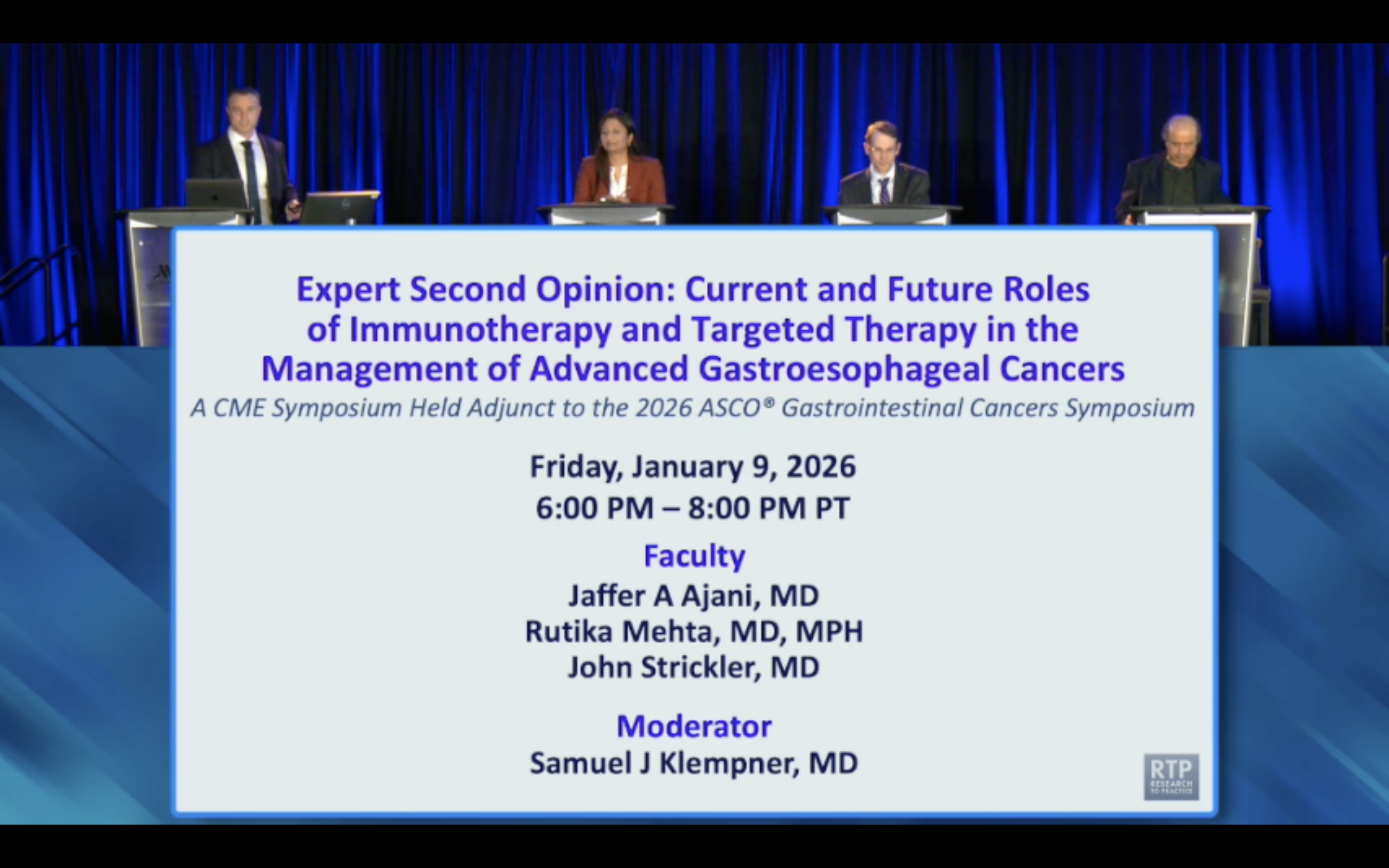
The Phase 2 TRAIT study suggests starting adjuvant abemaciclib at a lower dose and escalating over several weeks significantly reduces early discontinuations due to side effects like diarrhea. This strategy helps more patients get through the initial high-toxicity period and remain on the effective dose for the full two-year course.
The TRAIL trial found starting abemaciclib at a low dose (50mg) and escalating every two weeks drastically improves tolerability. This approach reduced Grade 3 diarrhea from 7.8% in the pivotal trial to just 3.3% and lowered early discontinuation rates, allowing more patients to reach the full therapeutic dose and stay on treatment.
Experienced oncologists are omitting the standard loading dose of Zolbetuximab, suspecting it causes acute gastritis. They start directly with the maintenance dose, reporting better patient tolerance. This off-label practice is now being investigated in a randomized trial.

When prescribed multiple drugs, ask your doctor for the single, longest-studied, most innocuous option to start with. Test that one drug for a few months. You may be a "hyper-responder" and solve the issue with a minimal intervention, avoiding decades of potential side effects from a multi-drug regimen.
