Get your free personalized podcast brief
We scan new podcasts and send you the top 5 insights daily.
Despite constant crises, the world economy is incredibly robust. Martin Wolf highlights that only the 2009 financial crisis and the 2020 pandemic caused actual shrinkage, suggesting that even major geopolitical events are unlikely to cause a global economic catastrophe.

Related Insights
The popular narrative of deglobalization is incorrect. Geopolitical and economic shocks are not causing a retreat from global trade but rather a massive "rewiring." Countries and companies are adapting by diversifying sources and markets, creating a more resilient, albeit more complex, global economic system.

In an era of potential systemic collapse, the winning strategy is not to predict the exact future but to build resilience and optionality. This means avoiding single points of failure, prioritizing liquidity, questioning assumptions about market stability, and considering assets that hold value independent of the dollar.

Market stability is an evolutionary process where each crisis acts as a learning event. The 2008 crash taught policymakers how to respond with tools like credit facilities, enabling a much faster, more effective response to the COVID-19 shock. Crises are not just failures but necessary reps that improve systemic resilience.

The global system avoided total collapse in 2008 because China initiated a massive infrastructure building spree. This made China the world's primary consumer of raw materials, creating the demand that saved the global economy.

Data over the last 40 years shows that the percentage change in gross world product moves in lockstep with the percentage change in gross energy consumption. A 5-10% fall in energy supply, as threatened by the conflict, will almost certainly trigger a 5-10% fall in global GDP.

The global economy proved more resilient than feared due to three factors: stronger institutions built after the 2008 financial crisis, the private sector's agility in absorbing shocks like tariffs, and the fact that widespread retaliatory trade wars did not fully materialize.
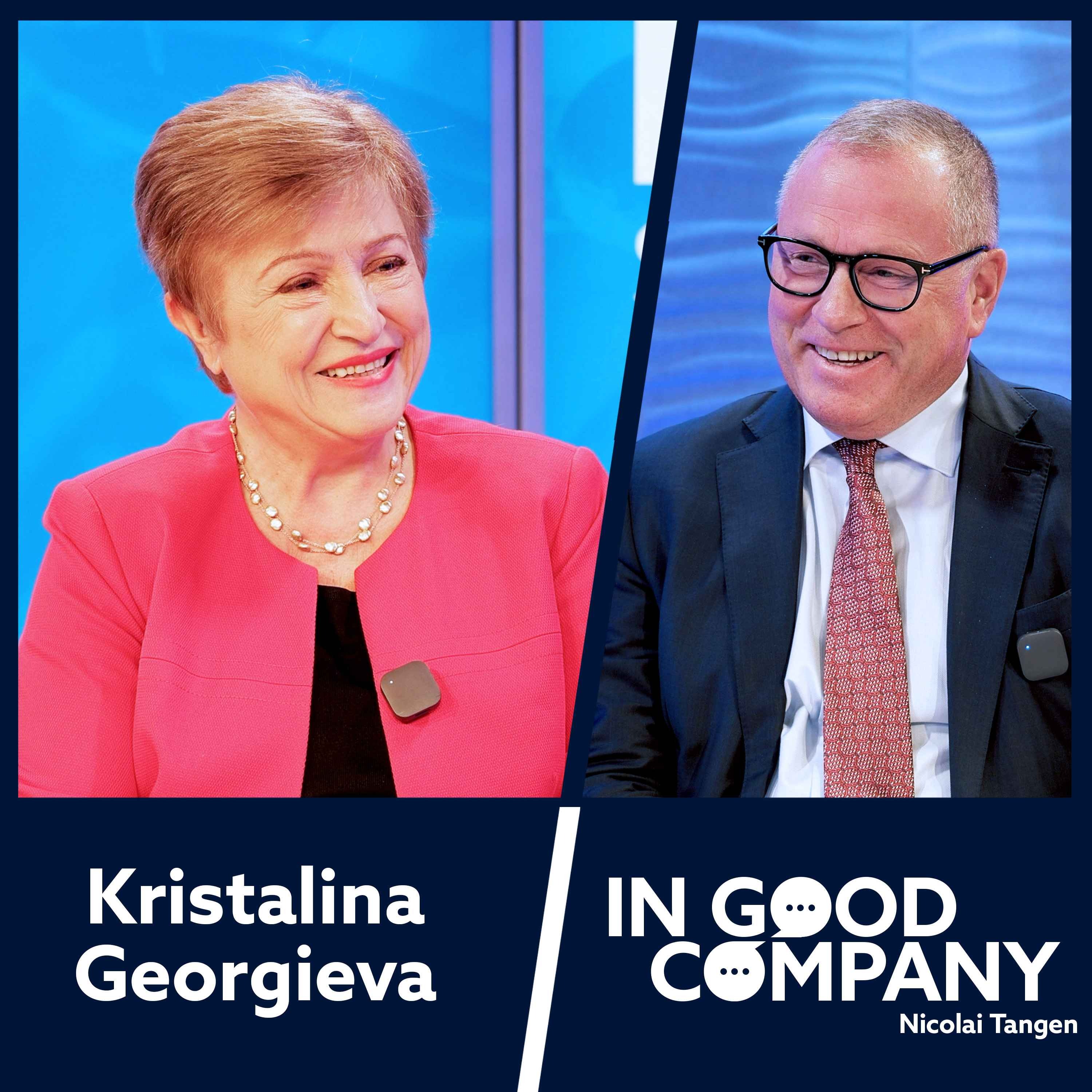
The common description of the 2025 economy as "resilient" is challenged. An economy growing below its potential, leading to rising unemployment and no net job growth, is better described as "fragile." This state is unsustainable and risks devolving into a recession if conditions do not improve.

Geopolitical flare-ups are not random events but the result of decades of policy decisions. They often coincide with the tail end of global economic expansion, serving as a critical macro indicator that a cycle is turning.

The post-Cold War era of stability is over. The world is returning to an 'Old Normal' where great power conflict plays out in the economic arena. This new state is defined by fiscal dominance, weaponized supply chains, and structurally higher inflation, risk premia, and volatility.
The ongoing war in the Middle East, particularly its impact on energy prices via potential disruptions like the closure of the Strait of Hormuz, is now the primary factor shaping the global macro outlook. This negative supply shock significantly increases the probability of a global recession.