Get your free personalized podcast brief
We scan new podcasts and send you the top 5 insights daily.
The non-toxic nature of new cryopreservation agents allows direct injection post-thaw, removing the need for a wash step required with DMSO. This reduces contamination risk, simplifies workflows, and facilitates easier distribution and administration of cell therapies at the point of care.

Related Insights
Standard post-thaw viability tests are misleading for cell therapies. DMSO can cause profound, non-lethal damage by altering gene expression, inducing differentiation in stem cells, and impairing T-cell function. Cells may be 'alive' but therapeutically impotent, a risk not captured by simple viability metrics.
Innovation in cryopreservation is turning to biomimicry by modeling new solutions on proteins found in Arctic fish. These natural proteins protect cells by binding to and inhibiting the growth of damaging ice crystals. This mechanism offers a non-toxic alternative that can be replicated synthetically in molecules like peptoids.
The problem is unique because engineering improvements, like faster temperature modulation, can lessen biological hurdles. For instance, more rapid cooling reduces the time spent in the 'danger zone' for ice crystal formation, thereby lowering the required concentration of potentially toxic cryoprotectant agents. This creates powerful leverage not common in biology.
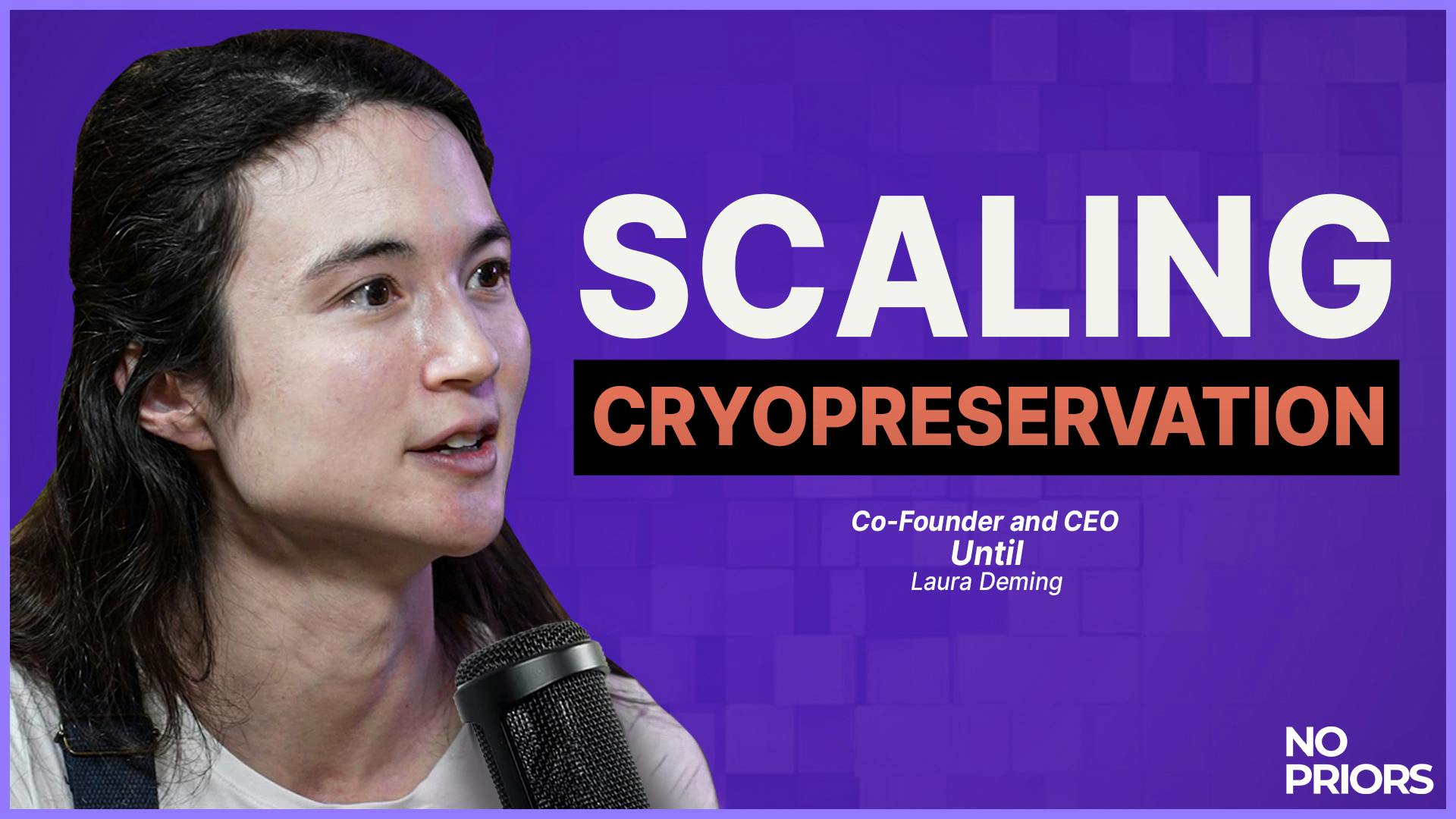
Unlike DMSO which requires rapid processing within hours, new solutions allow cells to be held for up to 24 hours before freezing without viability loss. This significantly simplifies scheduling and logistics for large-volume cell therapy manufacturing, reducing workflow pressures.
Adopting new cryopreservation solutions in a GMP setting can be straightforward. New agents are often designed as "plug-and-play" replacements for DMSO, used at identical concentrations, and supported by GMP manufacturing and a Drug Master File to simplify the transition.
Beyond simple viability metrics, cells cryopreserved in DMSO can exhibit a significant growth lag post-thaw. In one MSC example, this resulted in a four-day delay and a 2.5-fold lower overall cell yield compared to a novel cryopreservative, highlighting a hidden manufacturing inefficiency.
The technology behind new cell cryopreservatives also enables short-term (3-5 days), ice-free cold storage of complex structures like organoids and organs. This overcomes a major hurdle in their transportation and use, as they traditionally cannot be frozen or held for long periods.
Despite known toxicity and FDA concerns, DMSO remains the standard cryopreservative because of its extensive clinical history and the high cost required to validate alternatives. Established protocols, regulatory history, and economic advantages create a significant barrier to innovation, trapping the industry in a legacy solution.
Contrary to the belief that CAR-T therapies require inpatient hospitalization, about 50% of Carvykti infusions occur in an outpatient setting. This flexibility allows more hospitals to offer the treatment and makes it more accessible for patients, revolutionizing the delivery model for complex cell therapies.

Because residual DMSO is toxic to patients, causing symptoms from nausea to cardiovascular events, it must be washed away before infusion. This mandatory washing step adds complexity and time to the final product preparation and, crucially, creates an additional opportunity for microbial contamination in an otherwise sterile process.