Get your free personalized podcast brief
We scan new podcasts and send you the top 5 insights daily.
Lego's new smart bricks are compatible with every Lego piece ever made. This long-standing 'system in play' strategy is a powerful form of risk mitigation. Even if the high-tech product line fails, the individual bricks retain value because they can be integrated into the vast existing ecosystem, thus containing the cost of a failed experiment.
Related Insights
To foster innovation, LEGO co-locates all its designers in Billund, Denmark. This creates a highly concentrated creative hub, supplemented by giving them total creative freedom on dedicated "free-play" days every two weeks to explore new ideas outside of their assigned projects.

StackBlitz launched its pivotal product, Bolt.new, under a new brand because it was a final experiment before potentially shutting down. This strategy protects the core company's brand equity in case the experiment fails and gives the new product a distinct identity to attract a different user base.
Lego maintains relevance by replacing over 400 products each year. Their structured creative process blends internal ideas with external cultural trends, leveraging partnerships with major IPs like Star Wars for early insights. This ensures their product roadmap aligns with what will capture kids' future attention.

LEGO maintains its market leadership by replacing half of its product portfolio—around 450 products—every single year. This aggressive renewal cycle forces the company to stay deeply connected to current trends and continuously innovate, ensuring they are "no better than the creativity we are coming out with right now."
Frame moonshot projects like Google's Waymo not as singular bets, but as platforms for innovation. Even if the primary goal fails, the project should be structured to spin off valuable 'side effects'—advances in component technologies like AI, mapping, or hardware that benefit the core business.

Lego fuels its extensive innovation pipeline by linking it directly to operational efficiency. A global "Partner for Productivity" program systematically generates significant annual savings. This creates a powerful cultural understanding that cost discipline is not an obstacle to creativity but the very engine that pays for it.
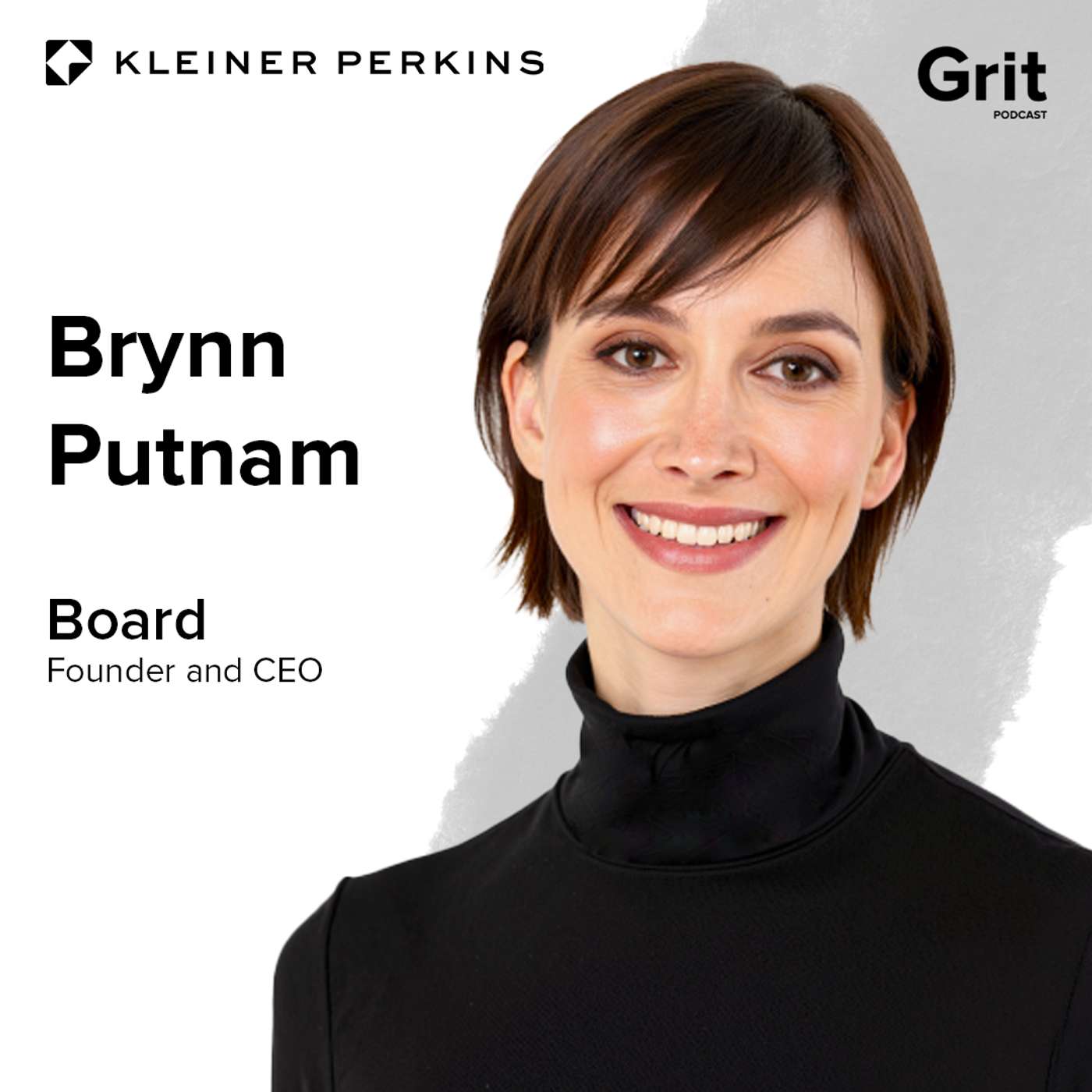
Bryn Putnam de-risks her complex hardware businesses by using commodity components ("withered technology"). The core innovation and defensible IP are built in the software layer, avoiding the massive capital expense and manufacturing risk of creating novel hardware from scratch.
LEGO doesn't just co-brand products. Its partnerships with franchises like Star Wars are deeply integrated into its business model, spanning museum exhibits, video games, and special collections, offering a lesson in holistic collaboration that becomes central to the company's strategy.
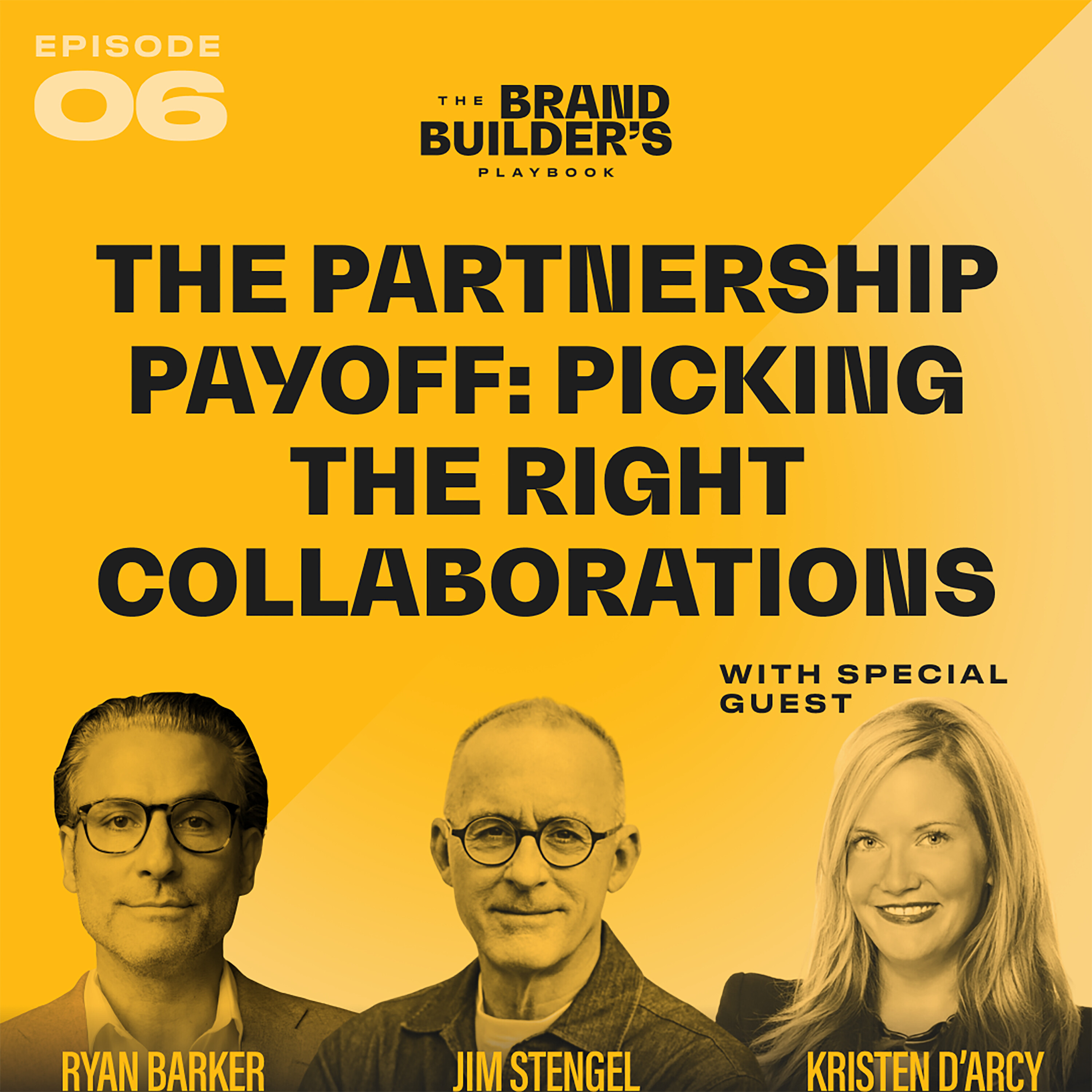
Contrary to the idea of limitless brainstorming, true innovation accelerates when leaders define clear boundaries. As seen in Lego's turnaround, providing constraints challenges teams to develop more focused, creative, and profitable solutions within a limited space.

Countering the anti-plastic narrative, Lego champions its product as a "best use" of plastic due to extreme durability. The promise of backward compatibility—that today's bricks fit with those from 40 years ago—reinforces a core brand message of longevity and multi-generational reuse over disposability.