Get your free personalized podcast brief
We scan new podcasts and send you the top 5 insights daily.
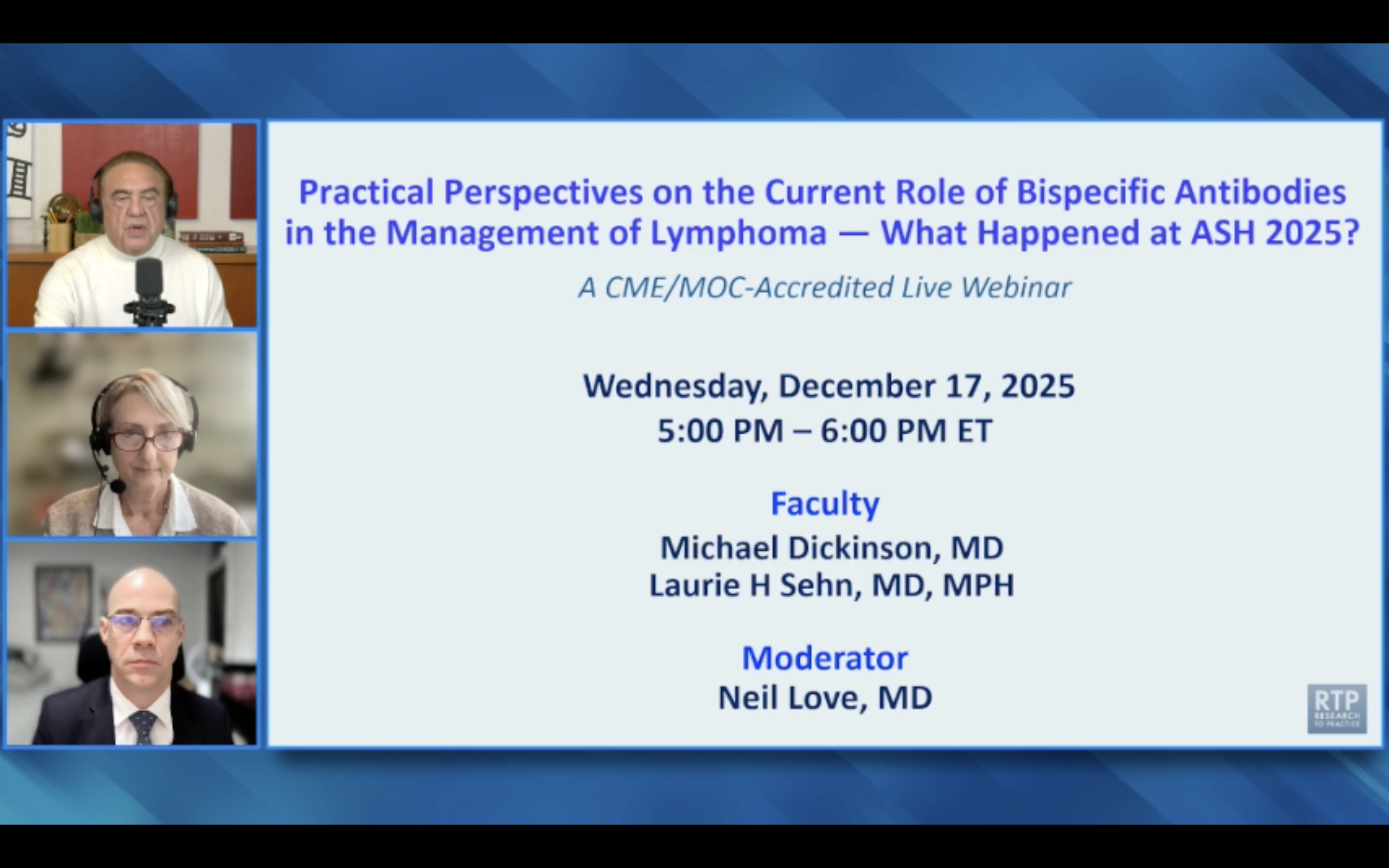
The rapid and successful rollout of complex bispecific therapies into community settings is primarily driven by enhanced nursing staff skills and protocols for risk stratification. This combination allows for safe outpatient administration, preventing hospital admissions and broadening patient access beyond large academic centers.
Related Insights
Clinicians must weigh the immediate benefit of using community-accessible belantumab against the risk of reducing the efficacy of future BCMA-targeted therapies like CAR-T or bispecifics. This decision hinges on a patient's ability to travel and access advanced care, creating a complex treatment sequencing challenge.
Even in healthcare systems with universal free access, like the UK's NHS, the actual uptake of immunotherapy for metastatic kidney cancer is only about 60%. This real-world gap strengthens the argument for adjuvant therapy, as it ensures high-risk patients receive potentially life-saving treatment they might otherwise miss upon relapse.

In a novel move, the UK's Medicines and Healthcare products Regulatory Agency (MHRA) published guidance for personalized mRNA immunotherapies that includes a section specifically for caretakers and physicians. This demonstrates a shift towards patient-centricity directly within the formal regulatory framework.

A modified three-step-up dosing schedule for epcoritamab drastically reduced cytokine release syndrome (CRS) rates to 26%, with no severe events. This safety profile supports fully outpatient administration, making this highly effective regimen accessible to community practices without immediate hospital access.
Beyond efficacy, new therapies like bispecifics require significant institutional support. Clinicians need training for unfamiliar side effects like CRS, and facilities need resources like observation units and admission protocols, creating a steep implementation curve for clinical practice.
A key trend in 2025's drug approvals is that "best-in-class" therapies are distinguished not just by efficacy, but by innovations in formulation and delivery that improve the patient experience. Examples include subcutaneous versions of IV drugs and new delivery methods that expand patient access.

When a highly effective therapy like EV Pembro was approved for 'cisplatin ineligible' patients, the definition of 'ineligible' became very elastic in practice. This demonstrates that when a new treatment is seen as transformative, clinicians find ways to qualify patients, putting pressure on established guidelines.
The future of medicine isn't about finding a single 'best' modality like CAR-T or gene therapy. Instead, it's about strategic convergence, choosing the right tool—be it a bispecific, ADC, or another biologic—based on the patient's specific disease stage and urgency of treatment.

Despite new therapies for follicular lymphoma (FL), bendamustine-rituximab (BR) will likely remain the community standard due to its simplicity. This may create a growing gap in treatment approaches between academic centers using novel agents and community practices favoring the familiar BR regimen.
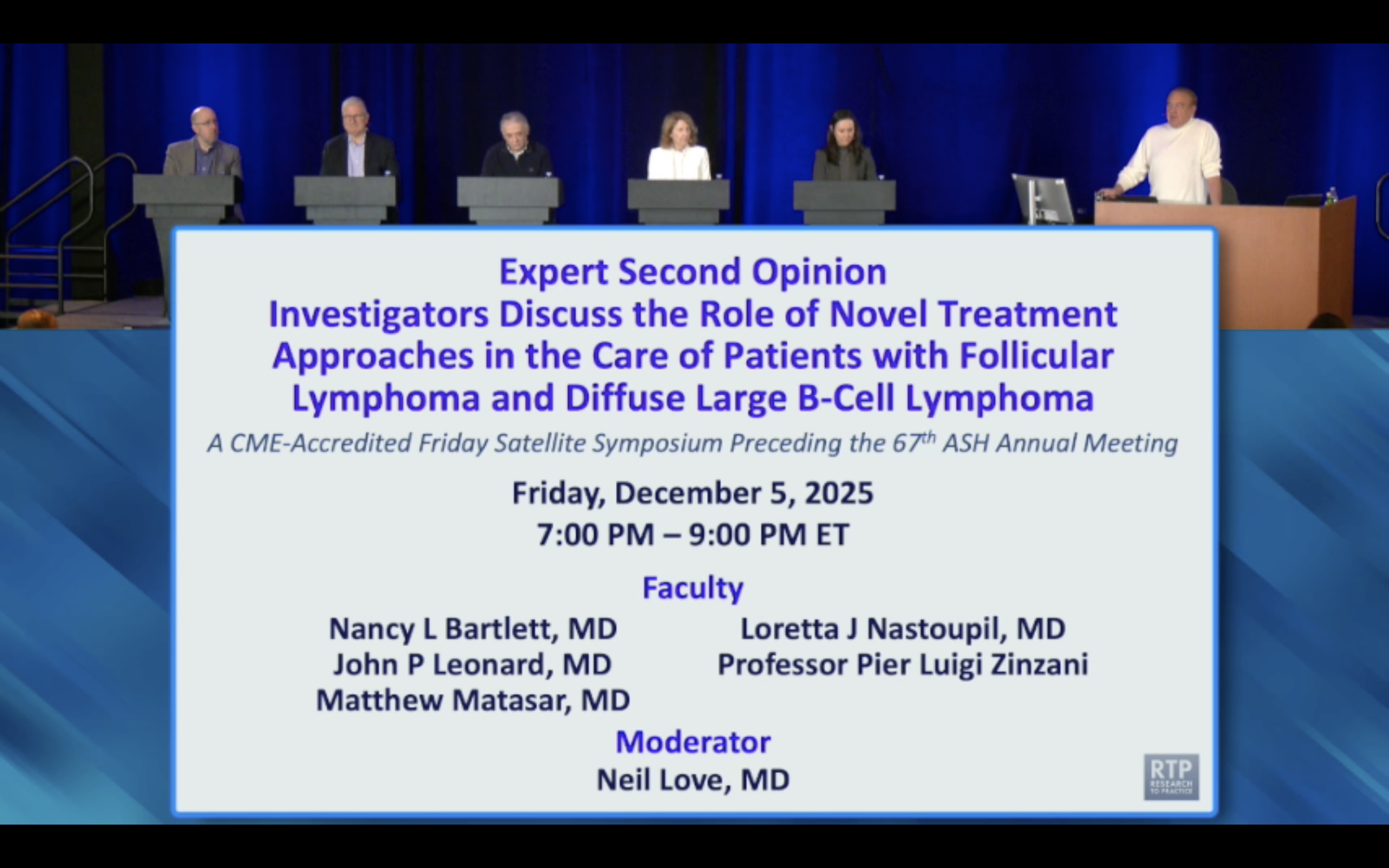
To manage hypogammaglobulinemia from bispecific antibodies, clinicians are adopting a more proactive approach. Following the model from myeloma care, they are initiating IVIG therapy earlier to prevent infections, rather than waiting for recurrent infections to occur as was standard with rituximab.