Get your free personalized podcast brief
We scan new podcasts and send you the top 5 insights daily.
In a challenging market, founders must demonstrate a clear trajectory from idea to meaningful clinical activity data. Lengauer provides a concrete financial map: $7-15 million to a development candidate, then an additional $30-50 million to reach the key clinical value inflection point that attracts later-stage investors.

Related Insights
During market downturns, biotech companies lose the ability to raise capital simply when it's convenient. Financing becomes tied to specific events. The key is timing a fundraise immediately before or after the release of significant clinical data that de-risks the company and attracts new investors.

Zyda raised funds primarily from urologists and urogynecologists. These clinician-investors already understood the market need, provided crucial industry connections (like finding a clinical trial investigator), and became influential early prescribers, dramatically accelerating market entry and validation.

While staying private can offer strategic advantages, particularly for future M&A, the biotech industry lacks a mature private growth capital market. Companies needing hundreds of millions for late-stage trials have no choice but to go public, unlike their tech counterparts.

Timing a key data readout is critical for a newly public biotech. A readout in under three months is too soon, as investors will simply wait for the results before buying. Waiting longer than a year risks losing market relevance. The optimal window to maintain momentum is 6-12 months post-IPO.
Repro Novo's co-founders invested their own money for the costly process of finding and negotiating assets. This allowed them to secure a promising candidate before approaching institutional investors, demonstrating strong conviction and de-risking the initial investment for VCs.
By raising an $87 million Series B, Arthex secured a cash runway projected to last until its final Phase 1/2 data readout in early 2027. This long-term funding allows the company to fully execute its current clinical trial and prepare for Phase 3 without the immediate pressure of further fundraising.
In a capital-constrained market, positive clinical data can trigger a stock drop for biotechs with insufficient cash. The scientific success highlights an immediate need for a highly dilutive capital raise, which investors price in instantly. Having over two years of cash is now critical to realizing value.

The company adopted a phased approach, using initial seed funding to de-risk the program by focusing narrowly on manufacturing (CMC) and regulatory hurdles to clear its IND. This milestone-driven strategy made it a more attractive investment for a larger Series A intended to fund clinical trials.
The path for biotech entrepreneurs is a long slog requiring immense conviction. Success ("liftoff") isn't just a clinical trial result, but achieving self-sustaining profitability and growth. This high bar means founders may need to persevere through years of market indifference and financing challenges.
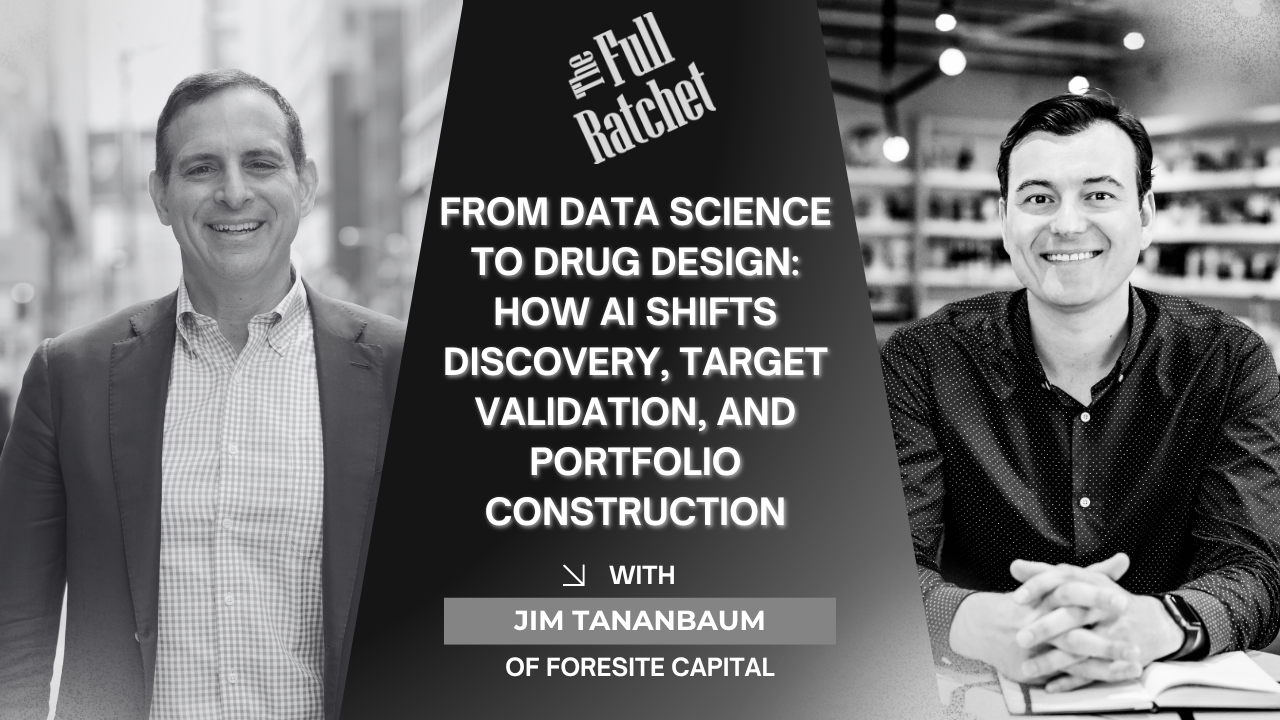
The profile of a company prepared to go public has matured significantly. Unlike the 2020 boom where IND acceptance was a key milestone, today's IPO candidates typically need Phase 2 or even Phase 3 data, raising the quality bar but shrinking the potential pool of companies.