Get your free personalized podcast brief
We scan new podcasts and send you the top 5 insights daily.
For localized chondrosarcomas, complete surgical removal is the most critical and often only curative treatment. The tumors are largely resistant to chemotherapy and radiation, making a successful, clean-margin surgery the primary determinant of a patient's long-term outcome.
Related Insights
A common diagnostic pitfall for rare sarcomas is the "oops surgery," where a surgeon removes a presumed benign mass that is later found to be malignant. This complicates definitive treatment, as the entire track of the initial surgery may also need to be removed to prevent recurrence.
Chondrosarcomas arise from chondrocytes, cells adapted to low-oxygen, low-nutrient joint environments. This cellular resilience makes them inherently resistant to traditional chemotherapies, which are most effective against cells with high metabolic and division rates.
A subset of breast cancers (10-15%) are "non-shedders," meaning they don't release detectable ctDNA. Patients with these tumors have excellent outcomes regardless of chemotherapy, suggesting that surgery alone might be a sufficient and less toxic treatment for this specific group.
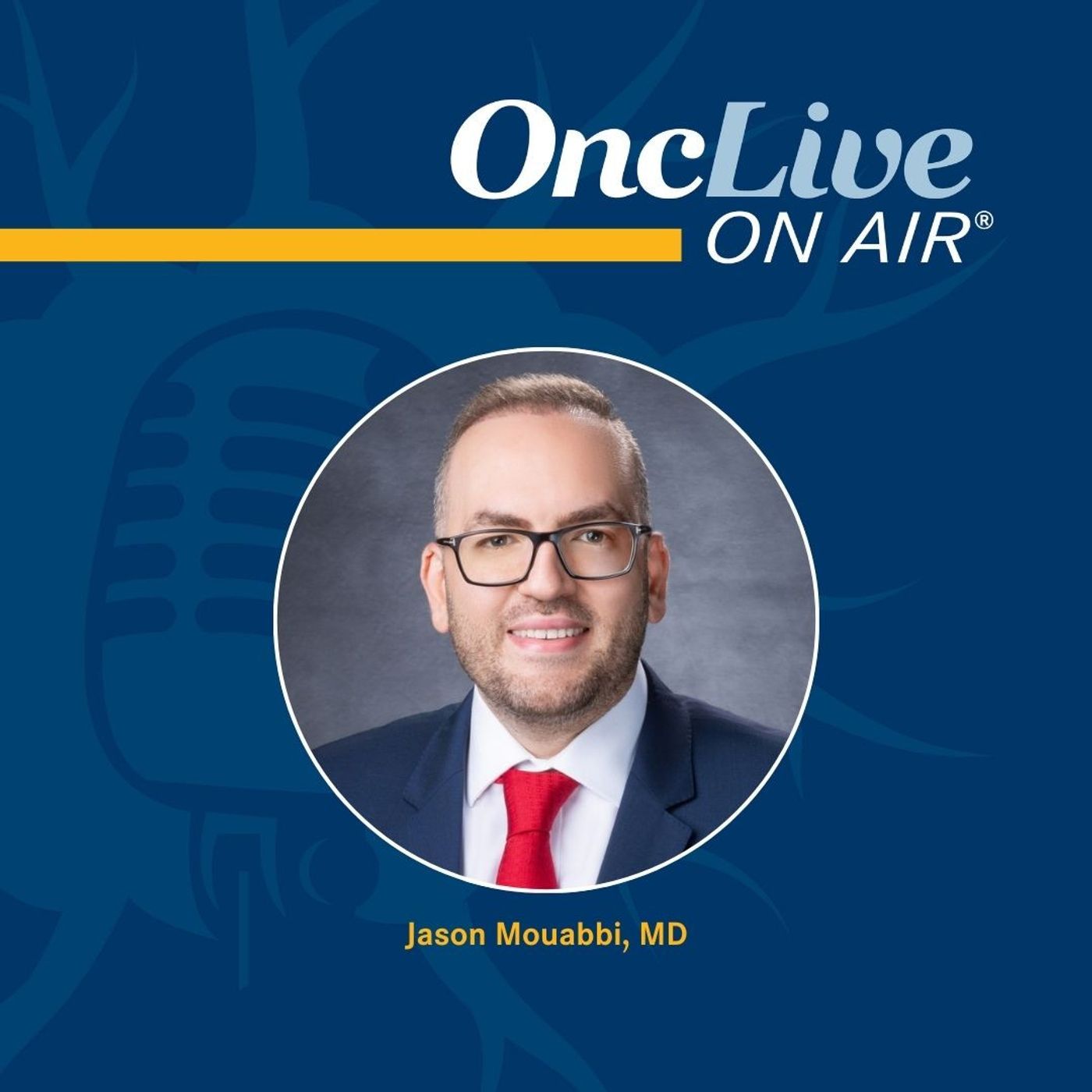
For patients with localized (non-metastatic) squamous cell carcinoma of the anal canal, adding systemic chemotherapy before standard chemoradiation does not improve outcomes. Randomized trial data has shown no positive impact from this neoadjuvant approach, reinforcing that concurrent chemoradiation remains the standard of care for curative intent in this setting.
Experts express strong confidence in the effectiveness of radiation therapy for epithelioid sarcomas, noting the tumors are very sensitive to it. In difficult locally advanced cases, radiation is a key modality for gaining disease control and managing pain, with growing interest in combining it with immunotherapy to enhance its effects.
While cosmetic results are a significant consideration in modern breast surgery, the primary, non-negotiable goal is eradicating the cancer to prevent recurrence. Surgeons emphasize that aesthetic goals, while a 'very close second,' must not compromise the thoroughness of the cancer treatment, a crucial distinction for patients and providers.
Despite its name, the mesenchymal subtype of chondrosarcoma has a unique gene fusion that makes its biology distinct. Consequently, treatment follows protocols for Ewing sarcoma, including neoadjuvant chemotherapy, rather than the surgery-first approach used for conventional chondrosarcomas.
Historically, intratumoral therapy was limited by the physical difficulty of reaching tumors. The rise of a new discipline, Interventional Oncology, has largely solved this access problem. The critical bottleneck is now the lack of drugs specifically designed and optimized for local delivery and sustained retention within the tumor.

Researchers are exploring combination therapies for chondrosarcoma's heterogeneity. One strategy is to combine IDH1 inhibitors, which may work better on lower-grade tumors, with DR5 agonists, potentially more effective on higher-grade tumors, to attack different components of the cancer simultaneously.
While oncologists focus on the low 4% rate of Interstitial Lung Disease (ILD) from neoadjuvant TDXD, surgeons worry this complication could prevent patients from reaching potentially curative surgery, drawing parallels to issues seen with neoadjuvant immunotherapy.