Get your free personalized podcast brief
We scan new podcasts and send you the top 5 insights daily.
To maintain a competitive edge, BridgeBio only pursues programs that are either "first in class" (a novel treatment where none exists) or "best in class" (a demonstrably superior option, like an oral pill versus a daily injection). This strict strategic filter is the core of their entire R&D pipeline selection process.

Related Insights
BridgeBio's founder saw biotech VCs exclusively funding high-risk "home run" platforms. He built a company to acquire therapies for smaller rare genetic diseases—"singles and doubles"—that were ignored. Aggregating these de-risks the portfolio and creates a major market opportunity.
BridgeBio's unique structure creates dedicated subsidiaries for each program. This empowers small, focused teams closest to the science to make key decisions—"play calling on the field"—without layers of bureaucracy. This model dramatically accelerates development, leading to unprecedented output of new drugs.
In the competitive oncology market, Step Pharma differentiates itself by highlighting its novel, "first-in-class" mechanism and excellent safety profile. This strategy attracts interest by focusing on a unique therapeutic opportunity and potential for combination therapies, rather than competing directly on incremental efficacy gains.
Instead of diversifying across diseases, Kenai is building deep expertise in Parkinson's. Its pipeline addresses different patient needs: replacing lost cells (lead program), repairing existing damaged cells (002), and targeting inherited forms (003), creating a comprehensive disease franchise.

When prioritizing pipelines, biotechs must consider commercial viability, not just science. With China's ecosystem specializing in fast-follow "Me Too" drugs, such assets are becoming commoditized. To secure funding and premium exits, companies must focus on truly differentiated "first-in-class" or "best-in-class" programs.
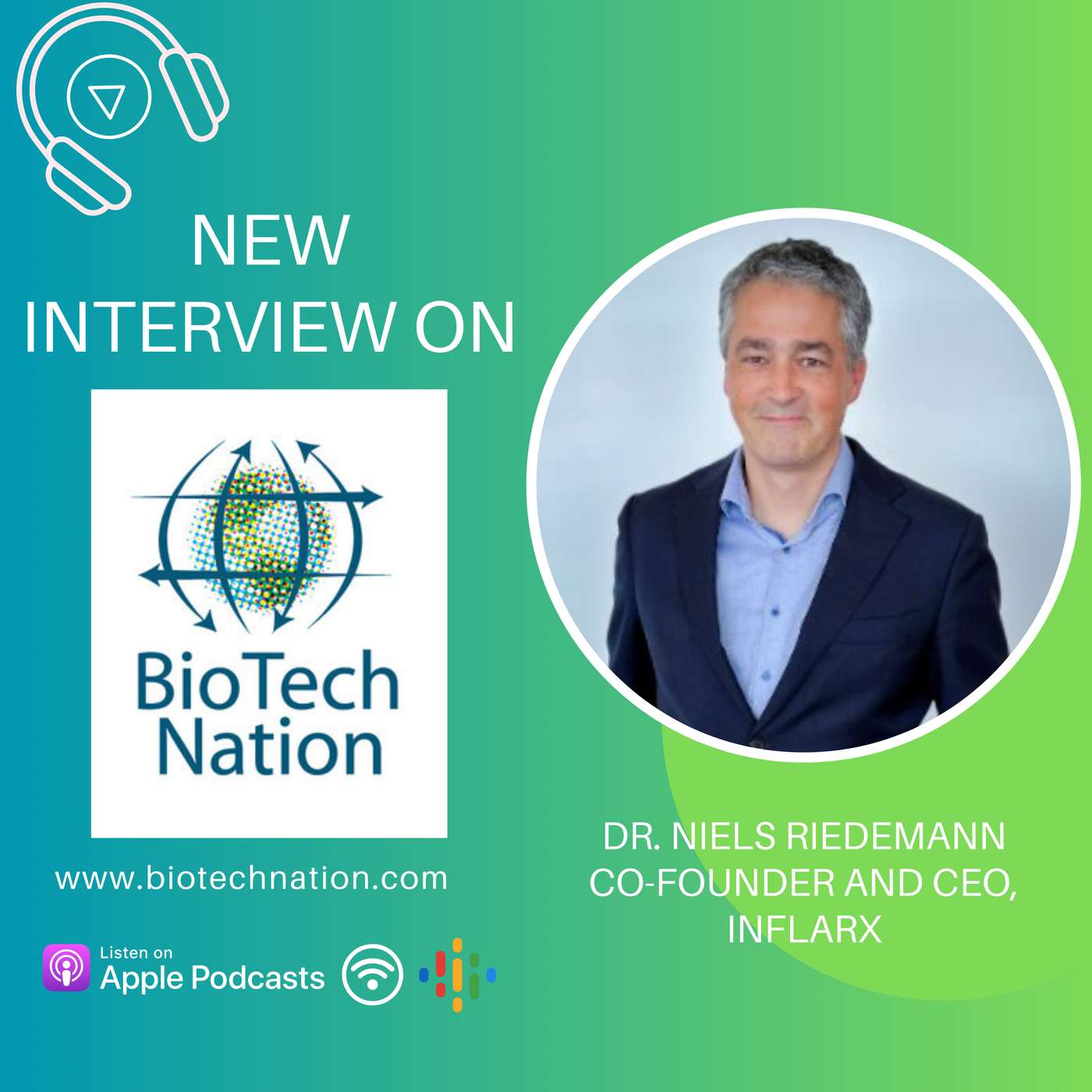
InflaRx's strategy targets the C5a pathway, implicated in many inflammatory conditions. By focusing on this single mechanism, their drug could potentially treat a wide range of diseases, from skin conditions to kidney disease, effectively creating a valuable "pipeline in a drug."
When seeking partnerships, biotechs should structure their narrative around three core questions pharma asks: What is the modality? How does the mechanism work? And most importantly, why is this the best differentiated approach to solve a specific clinical challenge and fit into the competitive landscape?

Immusoft balances its portfolio by internally developing a pipeline of genetically defined orphan disease therapies. Simultaneously, it generates early proof-of-concept data for higher-risk, larger markets like CNS and oncology with the explicit goal of securing strategic partnerships for those assets.
A key part of Eli Lilly's R&D strategy is tackling large-scale health problems that currently have no treatments and therefore represent a 'zero-dollar market.' This blue-ocean strategy contrasts with competitors who focus on areas with established payment pathways.

BridgeBio aims to become a "next generational" company like Regeneron. They believe the rare combination of two ingredients makes this possible: a successful, launched flagship product generating revenue, and a robust pipeline of multiple Phase 3 programs all set to read out within a year.