Get your free personalized podcast brief
We scan new podcasts and send you the top 5 insights daily.
Galloway reframes the 'second family' narrative, typically told from the perspective of the betrayed first family. He describes being the child in the second family, where his primary male role model was his mother's married boyfriend who, despite the situation, was a positive and formative influence in his life.

Related Insights
When raising boys, a father's actions are far more impactful than his words. Instead of lecturing on what it means to be a man, consistently demonstrating service, respect, and responsibility will be internalized by a son over time, even if the lesson isn't explicit or is initially met with embarrassment.
High-profile abuse scandals have created a chilling effect, making men hesitant to mentor boys for fear of being viewed with suspicion. This understandable reticence creates a critical mentorship gap for boys, especially those without a father figure, who need positive male guidance.
Galloway reframes masculinity away from aggression toward protection. He argues a man's default instinct, even without fully understanding a group like the trans community, should be to protect them from being demonized. This approach bridges traditional masculine ideals with progressive social values.
Scott Galloway argues the far right recognized the crisis facing young men before the left. While their solutions were regressive—blaming women and minorities—their early diagnosis of the problem created a political vacuum they successfully filled, attracting a disenchanted male demographic.
Galloway posits that a significant political shift from blue to red occurred among women aged 45-64. He theorizes this is driven by mothers voting for the perceived best interest of their struggling sons or husbands, prioritizing disruptive change over other issues when their family isn't thriving.
The cultural conversation around parenting and domestic labor is outdated. Data shows Millennial fathers perform three times the amount of childcare as their Boomer predecessors. This massive, unacknowledged shift in domestic roles means many media and political narratives fail to reflect the reality of modern, dual-income family structures.

While the right promotes a flawed version of masculinity, the left's common response is to suggest men adopt more feminine traits. Galloway argues this is ineffective because it fails to offer an aspirational, positive vision of masculinity, leaving many men feeling alienated and unrepresented.
Psychologist Robin Fivush finds that the healthiest family sagas are "oscillating," incorporating both life's ups and downs. Unlike purely positive or negative narratives, this model provides a realistic framework of perseverance, teaching children that setbacks can be overcome and are a normal part of life.
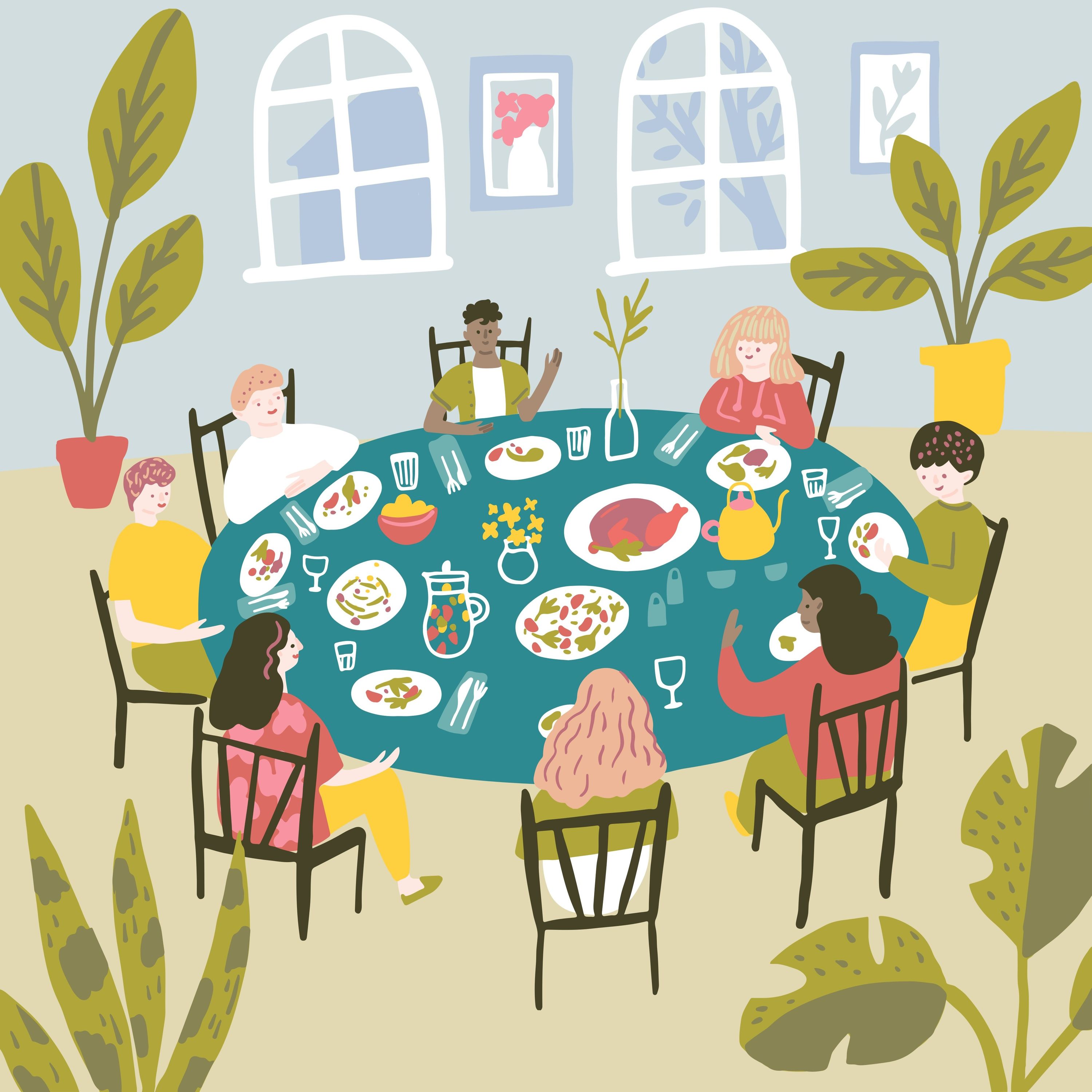
Contrary to presenting a flawless past, parents who share stories of their own youthful mistakes—like cheating on an exam or sneaking out—humanize themselves. This vulnerability signals to adolescents that their own complex feelings are normal and understood, strengthening the parent-child bond more effectively than moral perfection.
Contrary to the 'lone wolf' trope, mature masculinity is fundamentally expressed through relationships—as a father, husband, colleague, or community member. A man cannot fully realize his masculinity in isolation; it requires a social and relational context to be meaningful.