Get your free personalized podcast brief
We scan new podcasts and send you the top 5 insights daily.
The DETERMINATION trial found that African American patients, who are often Duffy null, had better outcomes with RVD alone versus early transplant. The Duffy null phenotype reduces the ability to absorb inflammatory stress, suggesting that pro-inflammatory treatments like high-dose chemotherapy and transplant may be less advantageous for this population.
Related Insights
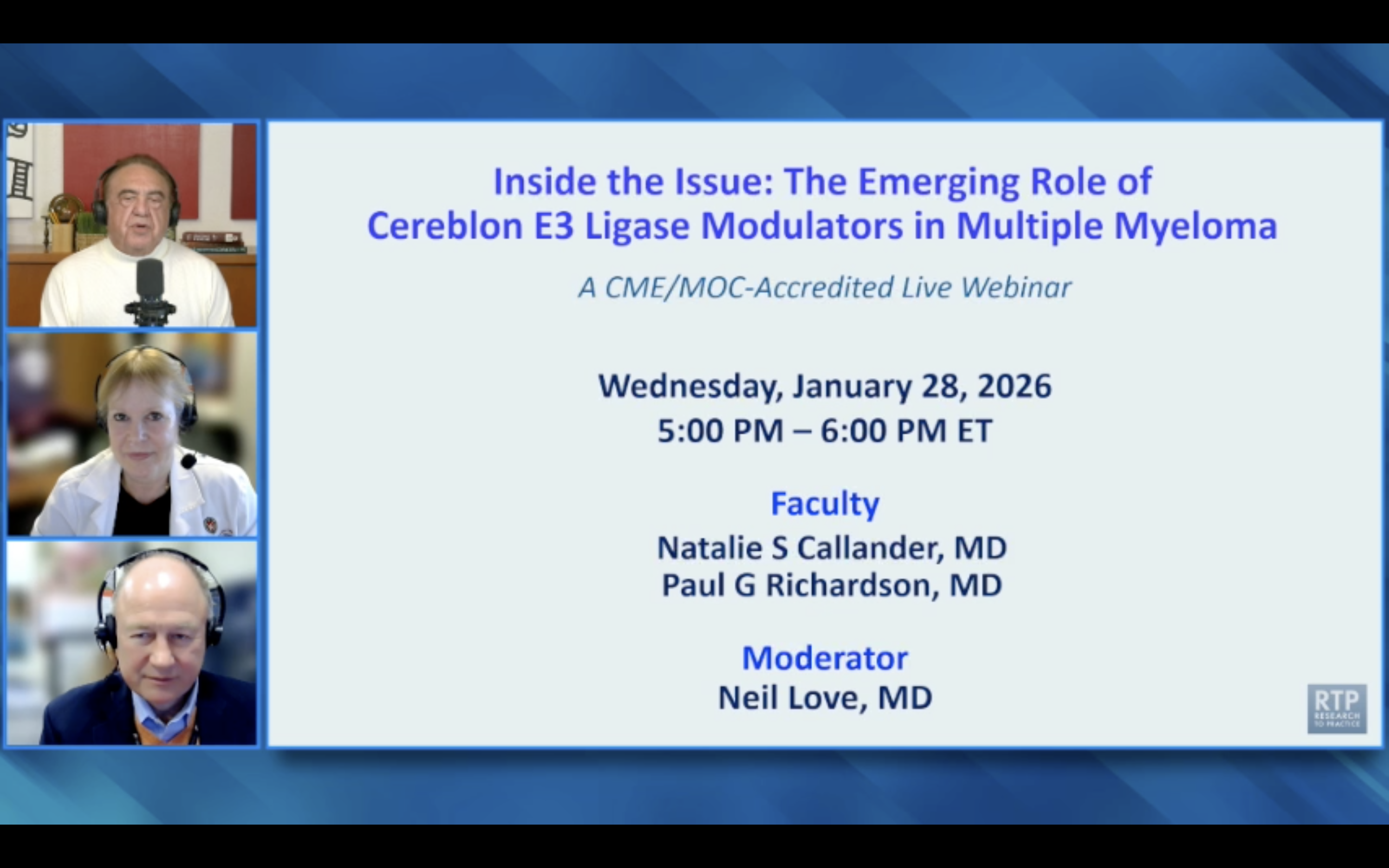
While CELMoDs frequently cause neutropenia, this effect is most pronounced in early cycles and manageable with growth factors. This contrasts sharply with the persistent, quality-of-life-impairing non-hematologic side effects of lenalidomide, such as rash and severe fatigue. This trade-off results in a significantly better long-term tolerability profile for patients.

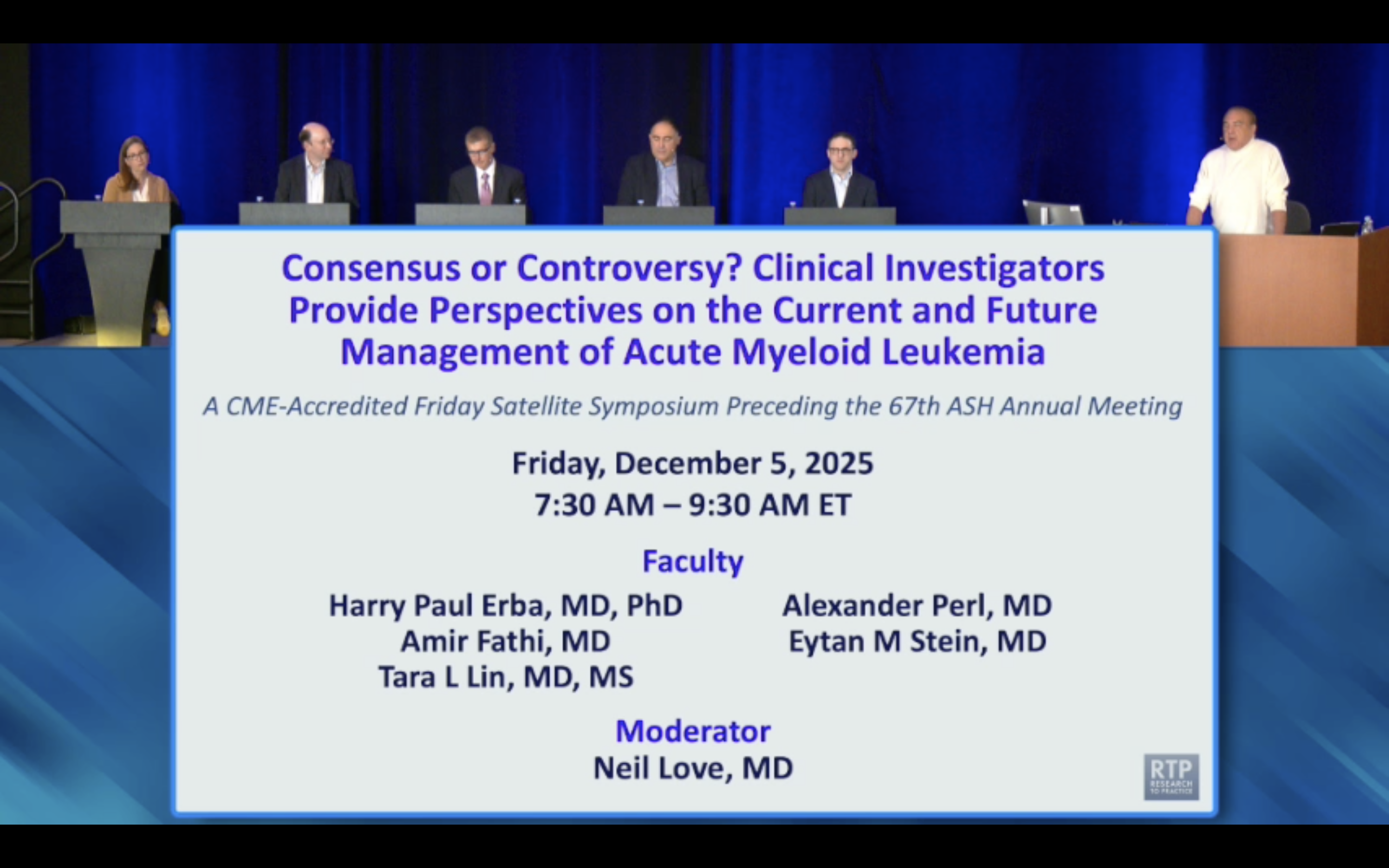
Despite impressive data supporting HMA/Venetoclax, its application in younger, fit patients must be cautious. The pivotal VIALE-A trial excluded key subgroups like FLT3, core binding factor, and certain NPM1 patients, for whom intensive chemotherapy remains the standard.
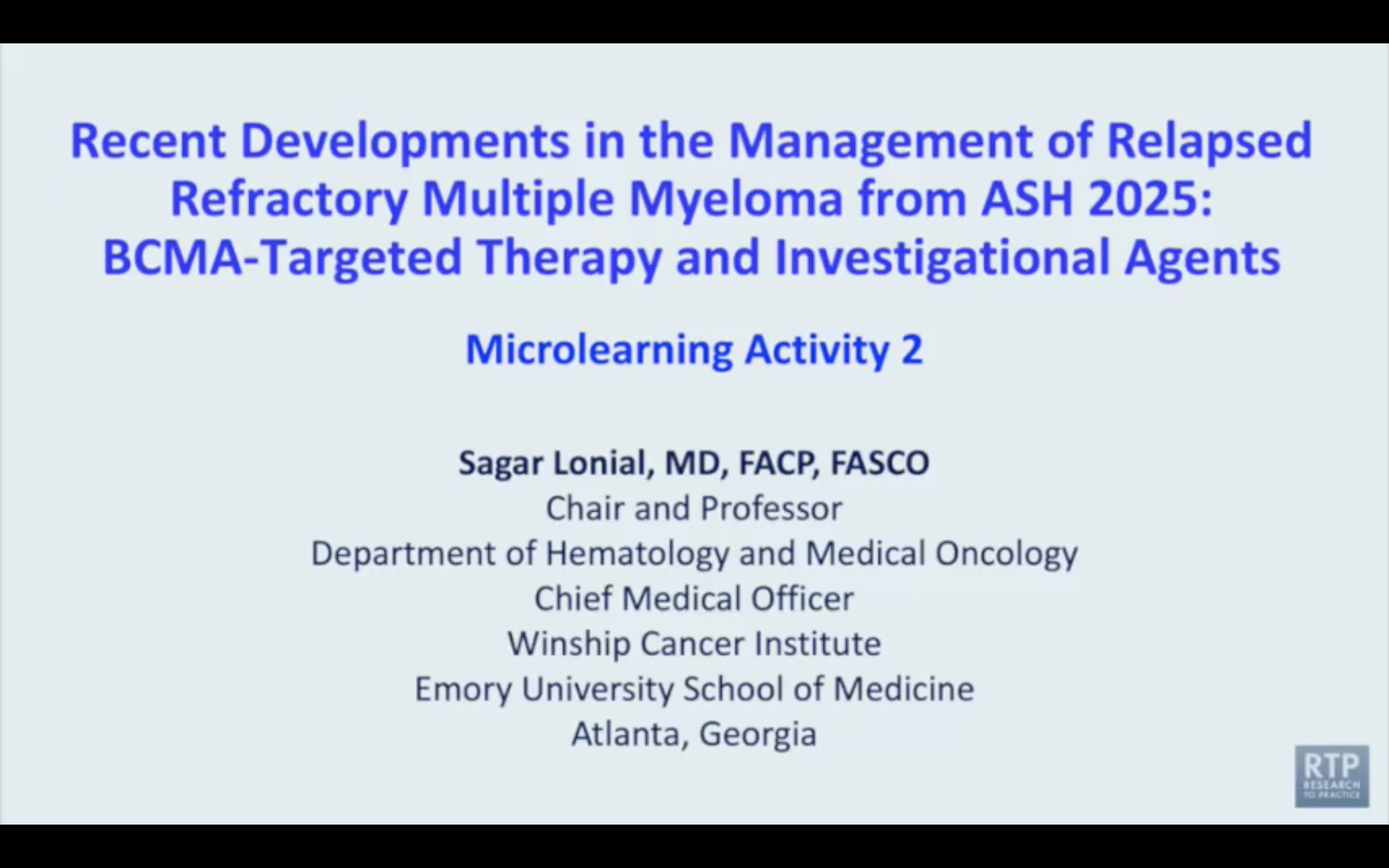
Surprisingly, patients with high-risk cytogenetics, a typically poor prognostic factor in multiple myeloma, were equally represented in both the long-term remission group and the group that progressed after Siltacel treatment. This suggests CAR-T therapy may overcome traditional risk stratification.

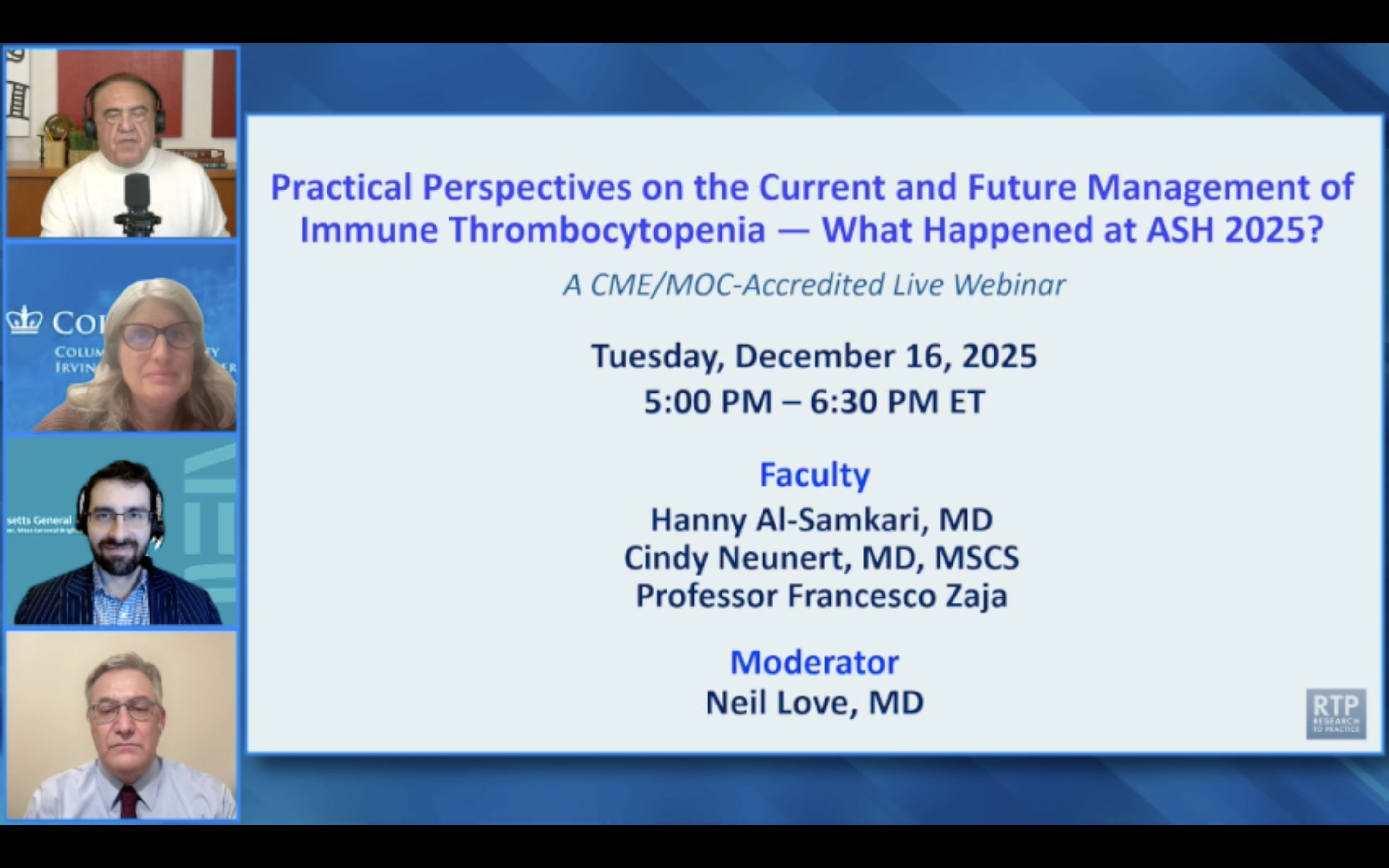
Beyond raising platelet counts, the newly approved BTK inhibitor rilzabrutinib provides dramatic improvements in the fatigue associated with ITP. This unique benefit, likely due to its anti-inflammatory properties, makes it a strong consideration for patients where fatigue is a primary quality of life issue.
The FLAG-IDA plus venetoclax regimen achieves very high MRD-negative remission rates. However, its similar efficacy in both frontline and first salvage settings suggests it might be more strategically deployed as a salvage therapy, avoiding its high toxicity in all patients upfront.
Combining Bellemaf with VRd induction for newly diagnosed, transplant-ineligible myeloma yields 100% response rates. This potent efficacy is driving its adoption in earlier treatment lines, with the clinical focus shifting to proactively managing its known ocular toxicities through dose adjustments and holds.
A common multiple myeloma treatment, autologous stem cell transplant, causes a significant decrease in beneficial, butyrate-producing gut bacteria. This treatment-induced change is directly associated with inferior progression-free survival, revealing a paradoxical negative effect of a standard therapy.

In newly diagnosed, transplant-ineligible myeloma, an iberdomide-based triplet (Iber-Dara-Dex) achieved 64% MRD negativity. This result is described as "astounding" because achieving MRD negativity is not even a realistic goal for comparable IMiD-based triplets like Dara-Len-Dex (the MAYA regimen). This sets a dramatically higher efficacy bar for frontline treatments.
For multiple myeloma patients with the 11;14 translocation who respond poorly to initial induction, BCL-2 inhibition is becoming a crucial targeted strategy. New drug combinations are showing high efficacy, addressing a key unmet need and suggesting this approach will be central to improving outcomes for this specific genetic subset.
In cases of severe ITP unresponsive to standard therapies, the anti-CD38 monoclonal antibody daratumumab can be highly effective. It works by eliminating the long-lived plasma cells responsible for secreting platelet autoantibodies, a mechanism distinct from other ITP treatments.