Get your free personalized podcast brief
We scan new podcasts and send you the top 5 insights daily.
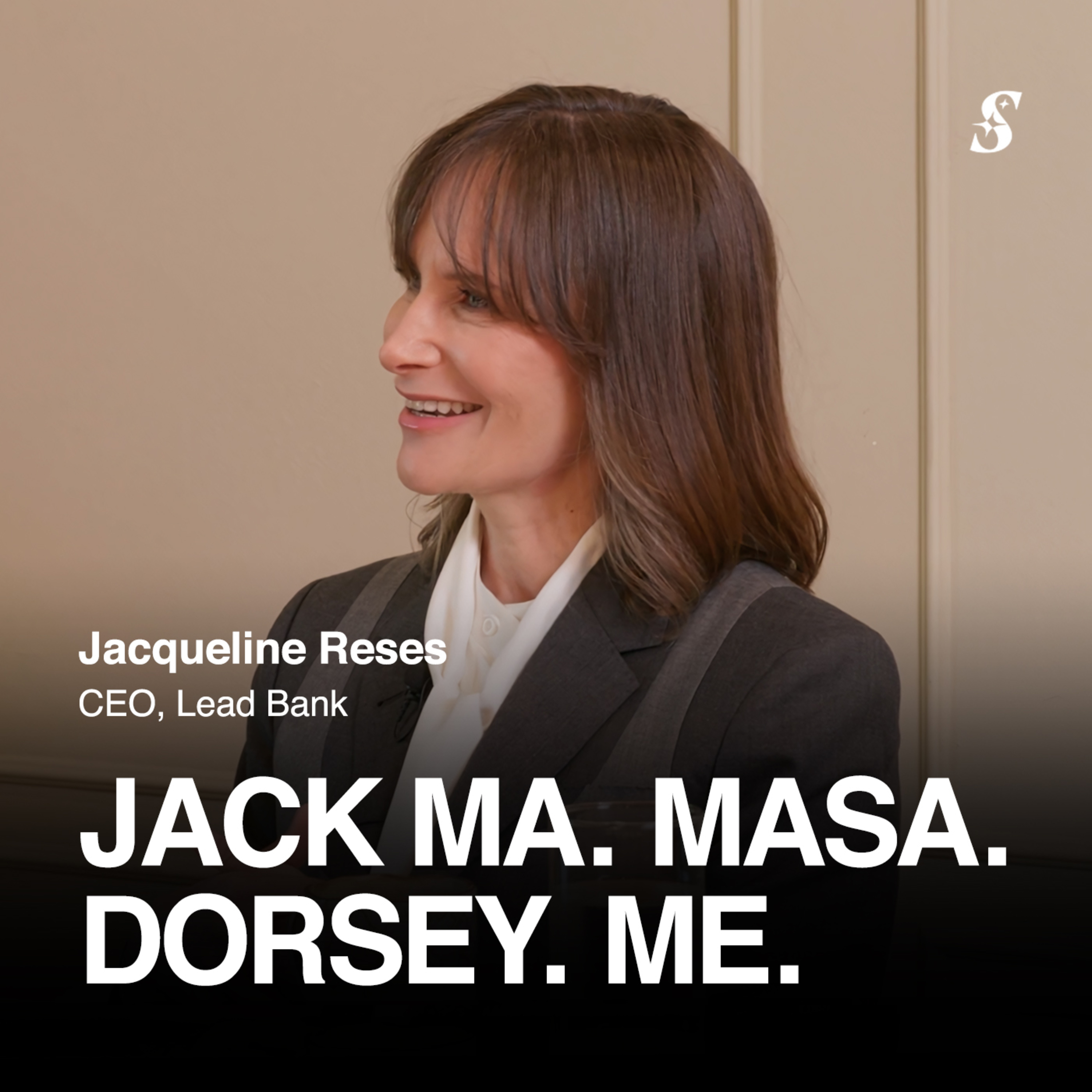
Jackie Reses, hired as Yahoo's Head of HR with a private equity background, viewed the role as capital allocation—distributing people and dollars to fuel growth. This reframe connects HR directly to business outcomes, justifying operational leaders in a traditionally 'soft' function.
Related Insights
Traditional HR often protects the company from employees, creating fear. To build a people-first culture, create a "Chief Heart Officer" role focused on employee well-being and give them more organizational power than the CFO. This signals that human capital is the most important asset.

Capital allocation isn't just about multi-million dollar acquisitions. Hiring a single employee is also a major investment; a $100k salary represents a discounted million-dollar commitment over time. Applying the same rigor to hiring decisions as you would to CapEx ensures you're investing your human capital wisely.
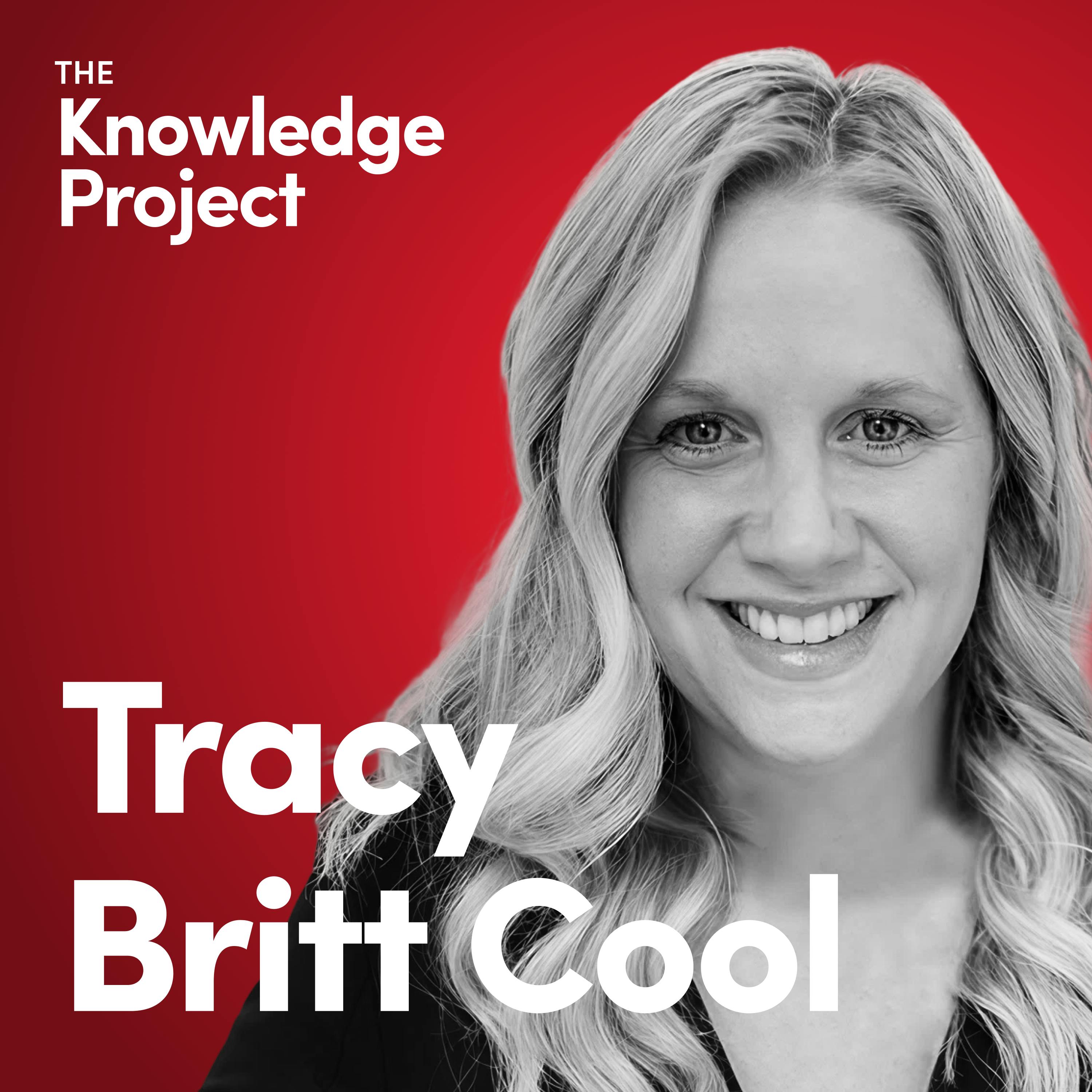
Instead of passively waiting for inclusion in strategic talks, effective Chief People Officers (CPOs) must proactively build the frameworks and set the agenda for people operations, ensuring all initiatives directly support business and customer goals.

Using Six Sigma principles, the ROI of investing in people is the reduction of waste—specifically, the "waste of human potential." Disengaged, unsafe, and burnt-out employees cannot innovate or make good decisions. This frames "soft skills" in a language of efficiency and financial return.

Most companies have a structured process for budgets and strategy but treat talent management as an afterthought. Implement a "people calendar" that systematically addresses attracting, developing, and engaging talent with the same discipline. This ensures people, your most critical asset, are managed proactively.
The term 'soft skills' diminishes crucial competencies like communication, collaboration, and adaptability. Calling them 'impact skills' correctly positions them as the abilities that truly move the needle and drive tangible business results, removing any connotation of being secondary to 'hard' skills.

To truly build a people-first culture, give the head of HR (rebranded as 'Chief Heart Officer' to change perception) more political clout and decision-making power than the Chief Financial Officer. This organizational structure ensures that employee retention and happiness are prioritized over pure financial metrics, leading to long-term stability and success.
Katelin Holloway frames venture capital through an HR lens. She argues sourcing founders is identical to recruiting talent, selecting investments is like hiring, and servicing portfolio companies is about enabling human potential—all core HR competencies.

To get a CEO fully invested, position the rebrand not as a marketing initiative but as foundational infrastructure that touches every part of the business, from HR and recruiting to sales and customer operations. This reframing elevates its importance and ensures cross-departmental adoption.

Treat your HR partner as a strategic business partner, not a transactional support function. By including them in core business meetings, they gain the context to anticipate needs, identify internal and external talent more effectively, and become a true partner in shaping the team for future challenges.
