Get your free personalized podcast brief
We scan new podcasts and send you the top 5 insights daily.
With Congress gridlocked, California has passed a strong package of child safety laws for AI and social media. Governor Newsom is effectively acting as a de facto national leader on tech policy, setting a precedent that will likely influence federal standards and force the industry to adapt nationwide.

Related Insights
Far from creating chaos, recent AI laws in states like California and New York are functioning as intended policy laboratories. By experimenting with concepts like independent testing and risk-based scoping, they are reducing uncertainty and creating a foundation for a more informed and effective federal AI framework.

The absence of a comprehensive federal AI law has spurred states like California and Colorado to experiment with unique regulatory approaches. This state-level action, while creating a "patchwork," allows for testing different governance models to see what works best before potential federal adoption.
With federal AI legislation stalled, states like Illinois, California, and New York are passing their own AI safety laws. Leading AI labs are endorsing these bills, recognizing that this state-level patchwork is effectively becoming the national standard for AI governance in the U.S.

Despite the risk of a fragmented legal landscape, the slow pace of federal AI legislation makes state-level action essential. States are acting as "laboratories of democracy," pioneering regulatory approaches that can later inform a much-needed national framework.
In the absence of federal leadership, Governor Newsom's administration has pushed through legislation to regulate large language and frontier AI models, focusing on transparency and safety. This positions California, home to the AI industry, as the primary rule-maker for a technology its own founders call potentially dangerous.

Rather than setting a low standard, passing AI safety laws in states like California creates a strong baseline. This gives advocates leverage to demand an even stronger federal framework, as anything weaker would be a non-starter for stakeholders who oppose federal preemption.
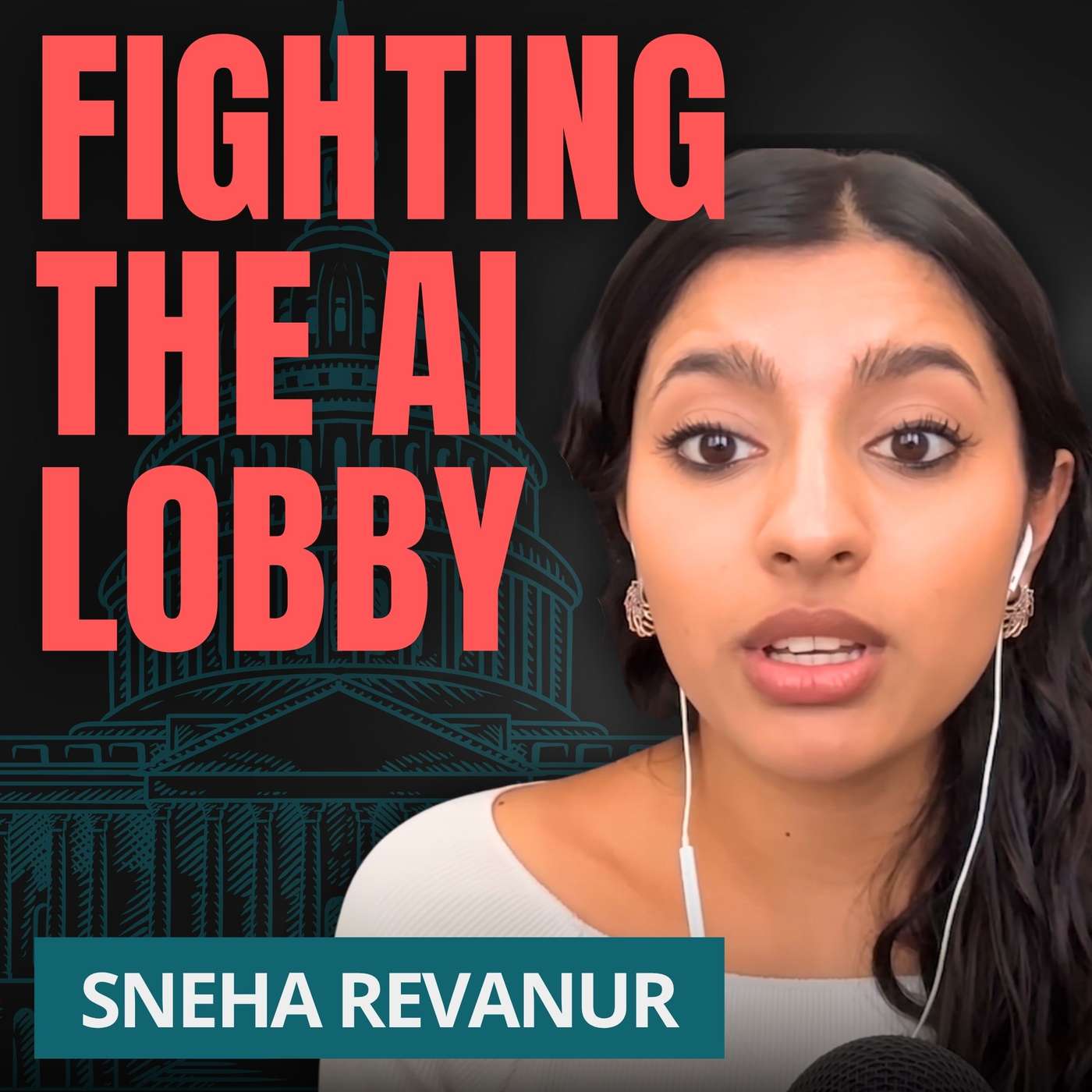
California's push for aggressive AI regulation is not primarily driven by voter demand. Instead, Sacramento lawmakers see themselves as a de facto national regulator, filling a perceived federal vacuum. They are actively coordinating with the European Union, aiming to set standards for the entire U.S. and control a nascent multi-trillion-dollar industry.

Facing a federal vacuum on AI policy, major players like OpenAI and Google are surprisingly endorsing state-level regulations in California and New York. This counter-intuitive move serves two purposes: it creates a manageable, de facto national standard they can influence, and it pressures a gridlocked Congress to finally act to avoid a messy patchwork of state laws.

By passing a strong AI safety law similar to those in California and New York, Illinois is part of a regulatory bloc compelling national compliance. Although these states represent only 20% of the population, they cover 40% of the AI market, forcing companies to adopt these rules nationwide.
Meta's $17 billion settlement over child safety was driven by a coalition of state attorneys general. This signals a major shift where states are becoming the de facto regulators of the tech industry, successfully forcing platform changes while federal legislation remains stalled, impacting companies' legal and compliance strategies.