Get your free personalized podcast brief
We scan new podcasts and send you the top 5 insights daily.
The next wave of AI is 'agentic,' meaning it can control a computer to execute commands and complete tasks, not just generate responses to prompts. This profound shift automates workflows like coding and administrative tasks, freeing humans for high-level creative and strategic work.

Related Insights
The evolution of 'agentic AI' extends beyond content generation to automating the connective tissue of business operations. Its future value is in initiating workflows that span departments, such as kickstarting creative briefs for marketing, creating product backlogs from feedback, and generating service tickets, streamlining operational handoffs.

Agentic coding tools like Claude Code represent a new, distinct modality of AI interaction, as significant as the advent of image generation or chatbots. This shift is creating a new category of power users who integrate AI into their daily workflows not just for queries, but for proactive, complex task execution.
Moving beyond chatbots, tools like Claude Cowork empower non-coders to create complex, multi-step autonomous workflows using natural language. This 'agentic' capability—connecting documents, searches, and data—is a key trend that will democratize automation and software creation for all knowledge workers.

Tools like ChatGPT are AI models you converse with, requiring constant input for each step. Autonomous agents like OpenClaw represent a fundamental shift where users delegate outcomes, not just tasks. The AI works autonomously to manage calendars, send emails, or check-in for flights without step-by-step human guidance.

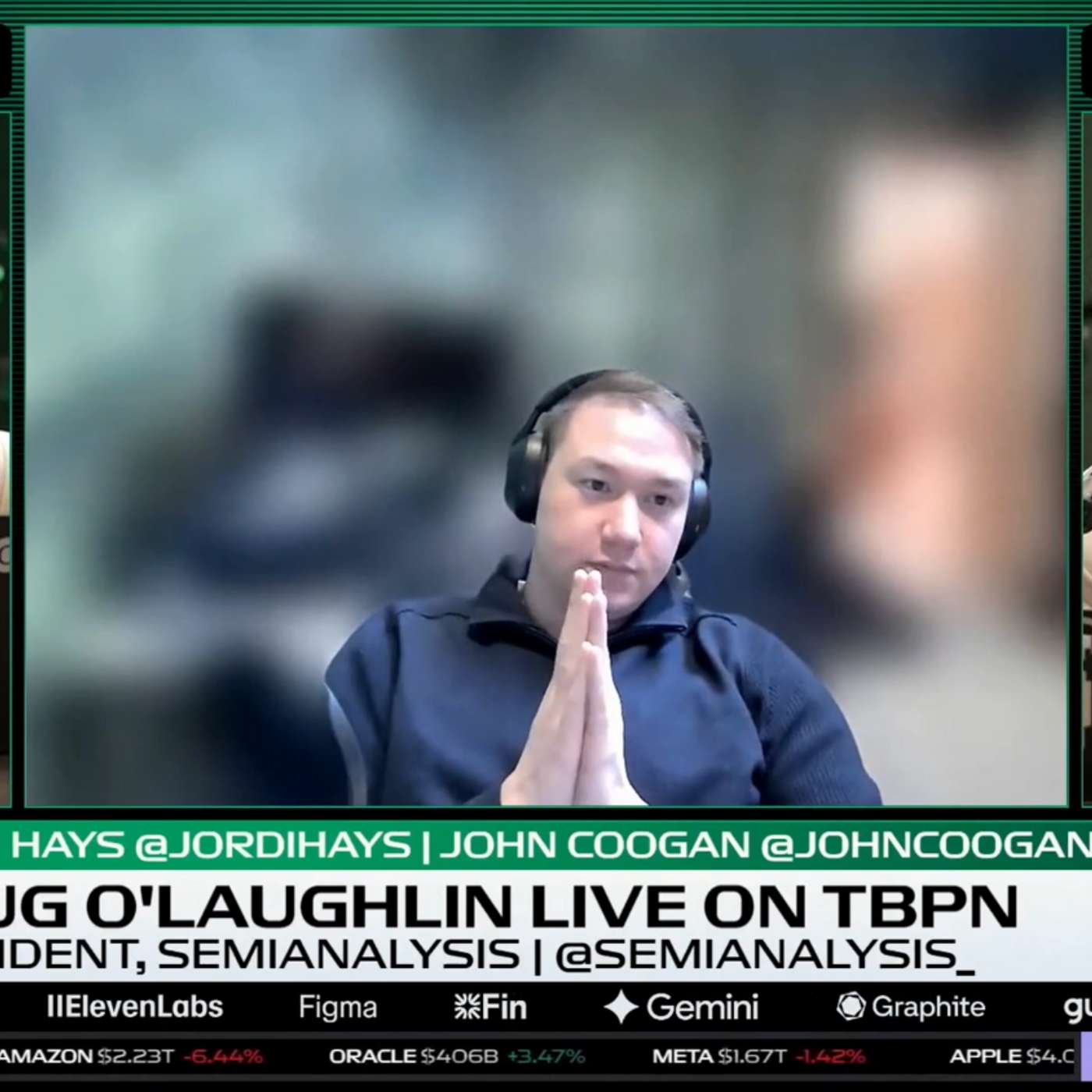
Analyst Doug O'Laughlin views agentic coding tools not just as a feature but as a fundamental new scaling paradigm for AI, comparable in impact to the invention of "Chain of Thought," that will permanently alter all information work and accelerate AI capabilities.

While language models are becoming incrementally better at conversation, the next significant leap in AI is defined by multimodal understanding and the ability to perform tasks, such as navigating websites. This shift from conversational prowess to agentic action marks the new frontier for a true "step change" in AI capabilities.

Recent updates from Anthropic's Claude mark a fundamental shift. AI is no longer a simple tool for single tasks but has become a system of autonomous "agents" that you orchestrate and manage to achieve complex outcomes, much like a human team.
The future of software isn't just AI-powered features. It's a fundamental shift from tools that assist humans to autonomous agents that perform tasks. Human roles will evolve from *doing* the work to *orchestrating* thousands of these agents.
The next evolution of enterprise AI isn't conversational chatbots but "agentic" systems that act as augmented digital labor. These agents perform complex, multi-step tasks from natural language commands, such as creating a training quiz from a 700-page technical document.

Anthropic's upcoming 'Agent Mode' for Claude moves beyond simple text prompts to a structured interface for delegating and monitoring tasks like research, analysis, and coding. This productizes common workflows, representing a major evolution from conversational AI to autonomous, goal-oriented agents, simplifying complex user needs.
