Get your free personalized podcast brief
We scan new podcasts and send you the top 5 insights daily.
To scale COVID testing amidst massive shortages, Curative intentionally sourced non-standard supplies (e.g., electronics swabs, different extraction materials) to avoid competing with incumbents for the same scarce resources. This 'orthogonal' approach was key to their hyper-growth from 7 to 7,000 employees in nine months.

Related Insights
Instead of being a tech-first company, TheraNow treated itself as an "operations first" business. They analyzed the workflow of a traditional physical therapy practice, identified scaling bottlenecks for patients, therapists, and health systems, and then built technology specifically to solve those operational challenges.

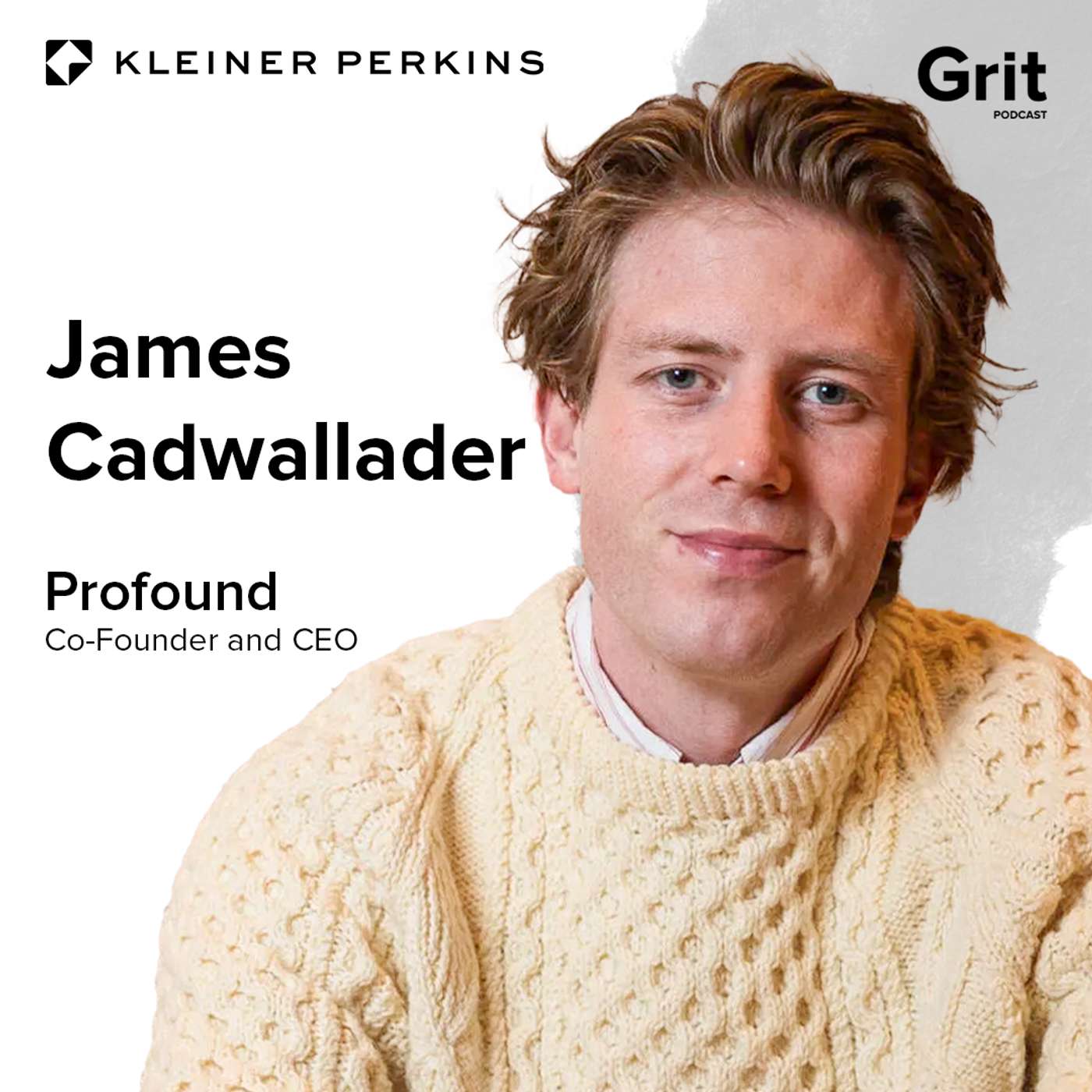
A scaling founder can avoid "breaking the model" during hypergrowth by hiring senior leaders with proven track records in similar environments. For example, Profound hired a CRO who previously scaled a company with the same target customer to $250M, bringing invaluable experience to manage chaos.
When leading beverage manufacturers refused to produce their unique, raw-ingredient recipe, the founders built their own bespoke manufacturing facility. This vertical integration was necessary to maintain product quality and bring their vision to market, despite the challenge of building two businesses at once.

To maximize advantages, an in-house lab consciously selected a different NGS testing platform than major external vendors. This strategic choice not only reduced tissue sample requirements but also offered a faster turnaround time due to the underlying technology, creating a distinct competitive advantage beyond mere proximity.

Instead of fighting established giants in saturated tier-1 cities, Mankind Pharma adopted a "bottom-up" strategy. They focused on smaller towns and villages where larger companies had no presence, building a stronghold by offering affordable products and understanding the local ecosystem.

Contrary to common belief, COVID didn't create a massive demand spike for CookUnity. Instead, its critical impact was on the supply side. Previously unavailable celebrity chefs suddenly needed new revenue streams, allowing CookUnity to onboard top-tier talent, which transformed their brand and marketing.

Unlike most biotechs that start with researchers, CRISPR prioritized hiring manufacturing and process development experts early. This 'backwards' approach was crucial for solving the challenge of scaling cell editing from lab to GMP, which they identified as a primary risk.

When Surfing Cow's orders surged, the immediate advice was to find a co-manufacturer. The biggest risk for a viral product is not slow growth, but operational collapse from being unable to fulfill orders, which permanently damages brand reputation.

The massive demand spike in 2020, which seemed like a huge win, actually collapsed Lulu and Georgia's infrastructure. Customer service, warehousing, and operational systems couldn't handle the 200% year-over-year growth. This serves as a cautionary tale that rapid, unplanned scaling can be as destructive as stagnation.
The most successful fast-growing companies don't just buy sales and marketing tools; they build their own distribution infrastructure. By treating their go-to-market operations as a product to be engineered, they create a massive competitive advantage and scale more efficiently than competitors relying on a "Frankenstack."
