Get your free personalized podcast brief
We scan new podcasts and send you the top 5 insights daily.
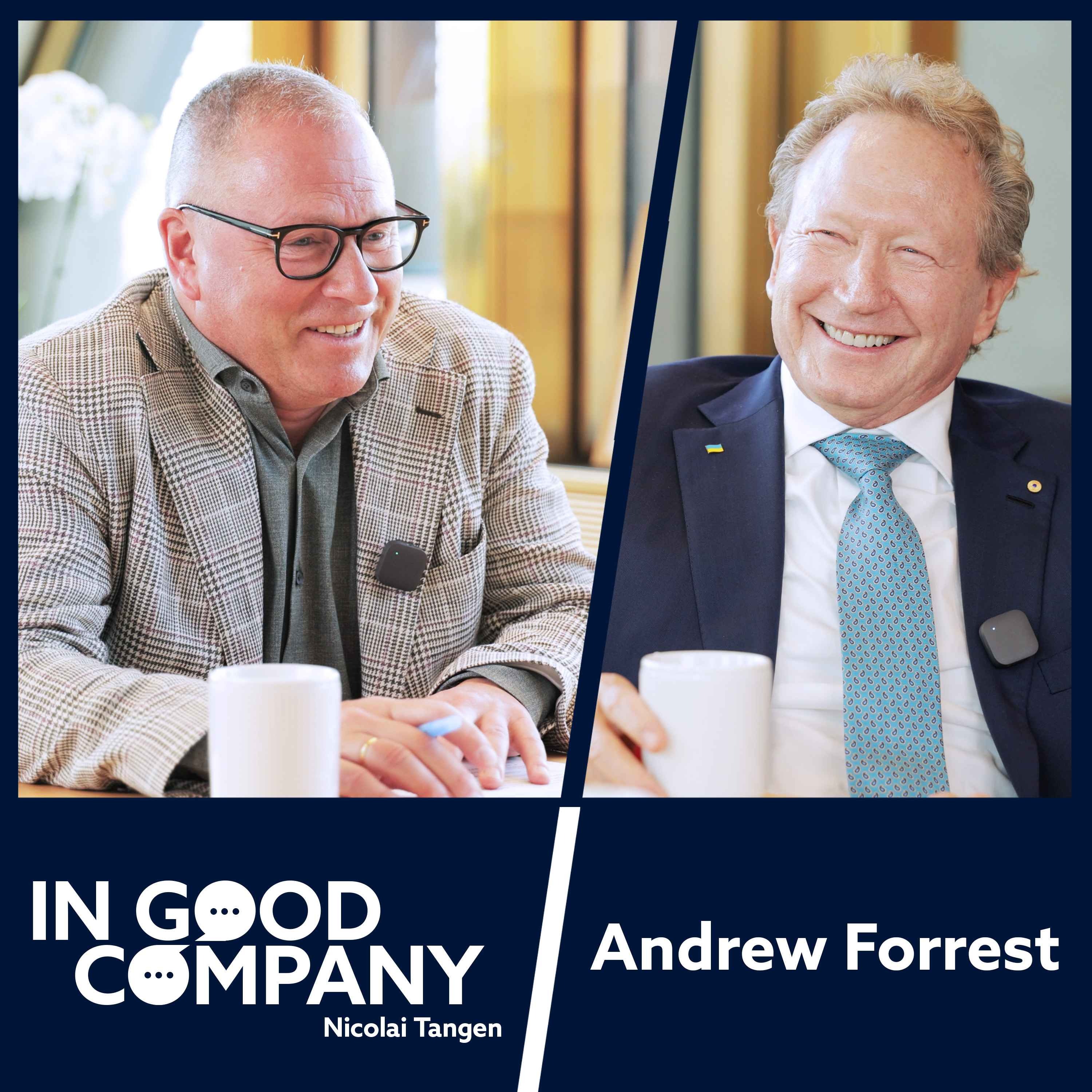
Forrest's first company, Anaconda Nickel, struggled despite having contracts with a major engineering firm that took shortcuts. He learned that contracts are secondary to having a passionate, value-aligned team that can navigate problems collaboratively without resorting to lawyers.
Related Insights
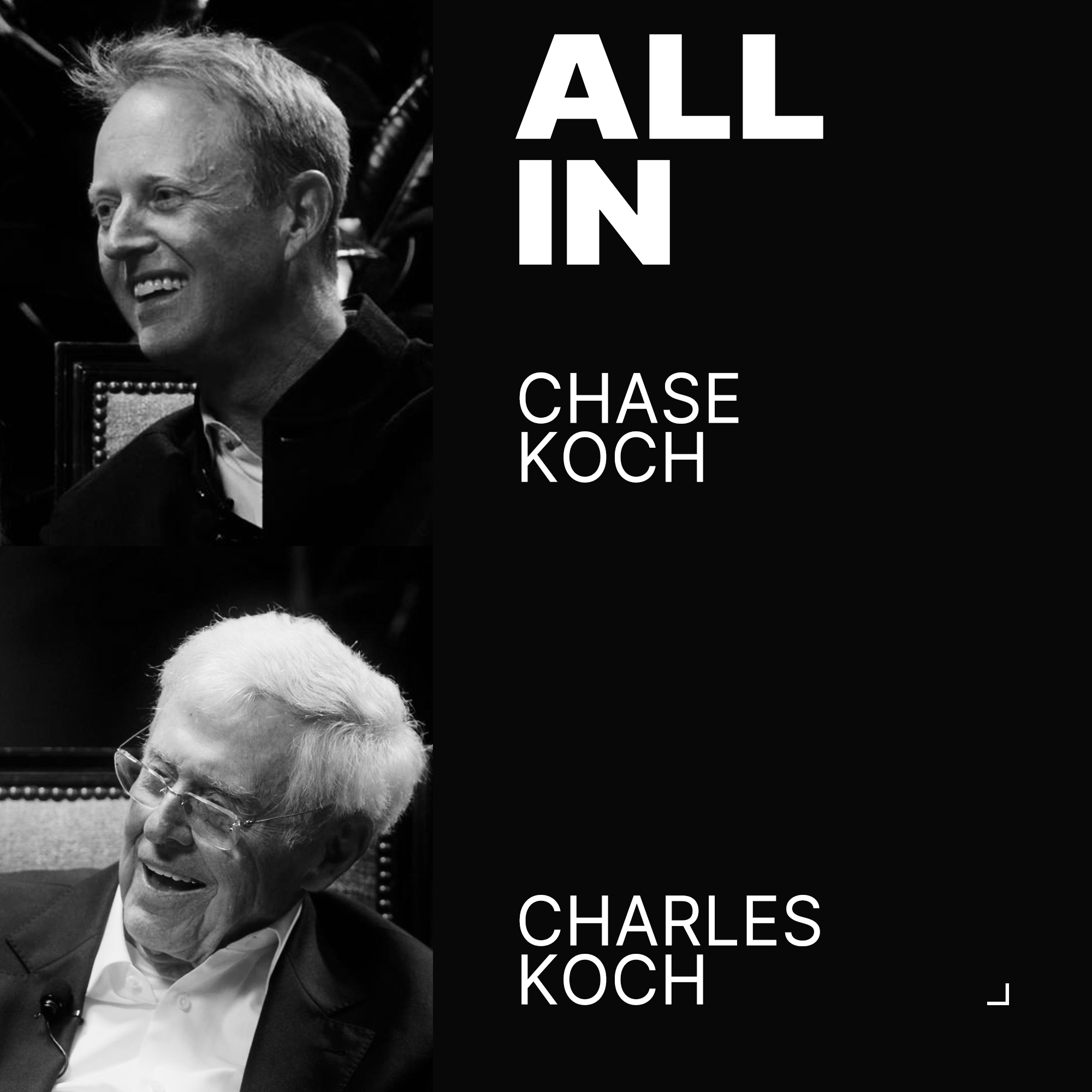
Charles Koch attributes the company's near-bankruptcy events to hiring talented people with poor values. The core principle became hiring first for values, even suggesting it's better to hire someone "slow and stupid" with good values than a talented person with bad ones, who can cause immense damage.
CEO Sean Nelson reframes his company's early Chapter 11 bankruptcy not as a failure, but as an invaluable, real-world education. The experience provided a deep, practical understanding of contracts and high-stakes business operations that now informs his decision-making and gives him a unique perspective.
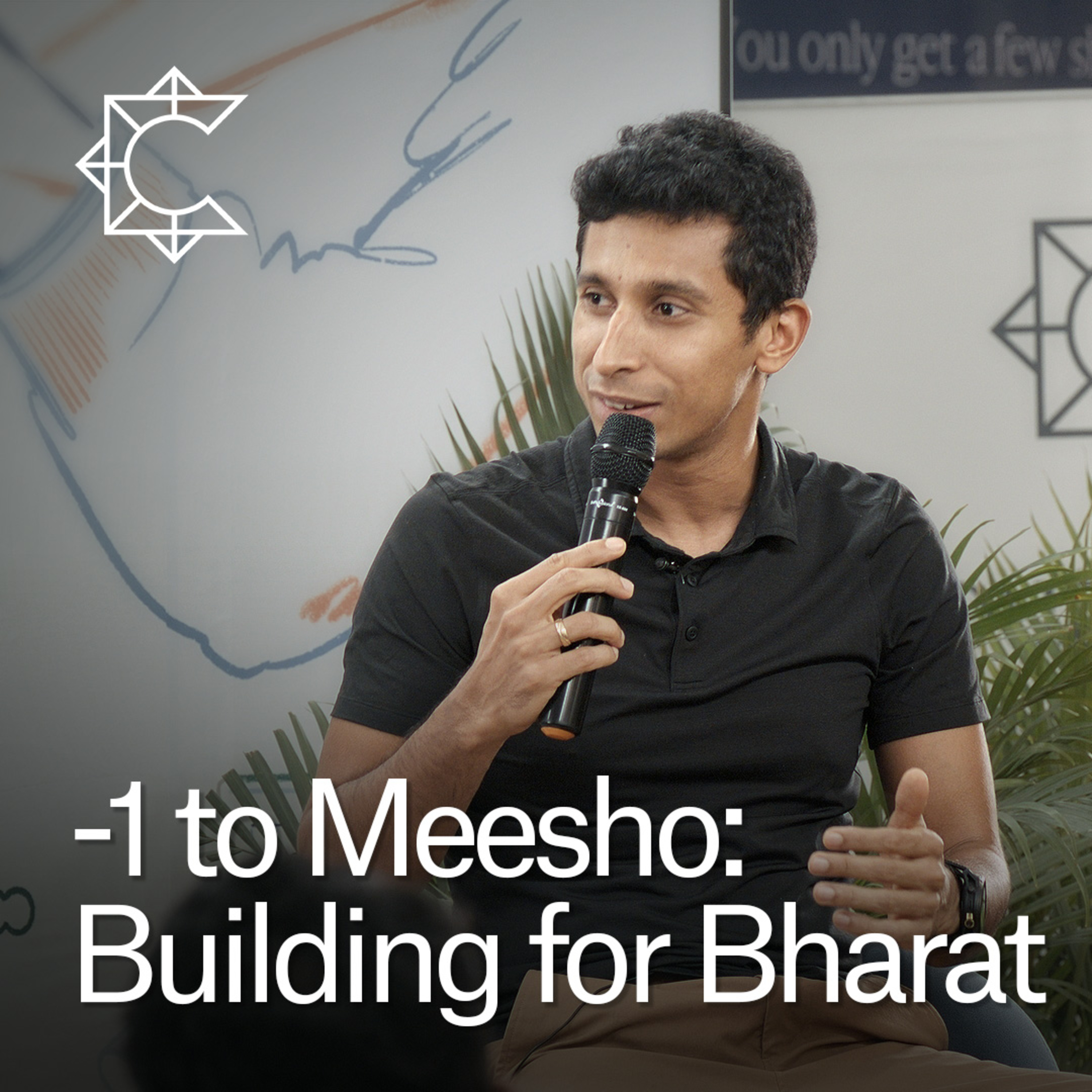
Unbound Merino's founders reject the common wisdom that business and friendship don't mix. They argue it's an advantage because you start with baked-in trust and value alignment, making it easier and more enjoyable to navigate the inevitable challenges of building a company.

When asked about under-performers, Andrew Forrest pivots to what he sees as the bigger problem: high-performers who are toxic to the team. He argues that it is crucial to remove them, as their negative cultural impact prevents others from succeeding, making their individual contributions a net negative.
Andrew Forrest fosters a culture of ambitious innovation where "crazy brave plan a's" are expected to often fail. The key is requiring a "bulletproof plan b" so that failure doesn't endanger the company, allowing teams to learn and move forward without fear of existential risk.
The founding leadership team at Anduril has remained unchanged since its inception, which is attributed to their strong personal friendships. This bond allows them to navigate the immense business stress and external pressures inherent in the defense industry, creating a resilience that business relationships alone cannot provide.

Actively recruiting entrepreneurs whose own ventures recently failed brings in smart, driven individuals with high ownership and a hunger to prove themselves. This is invaluable in the early, capital-constrained days when you need a team with a founder's DNA.
The founder's number one piece of advice is to get the co-founder relationship right. While you can pivot ideas, raise more funding, or change markets, replacing a co-founder is incredibly difficult. A strong, complementary founding team is the foundation for overcoming all other startup challenges.

To achieve long-term, meaningful success, leaders must find a true right-hand person who operates with a "family" level of trust and commitment. This goes beyond a standard executive hire; it's a non-negotiable requirement for scaling beyond the founder's personal capacity and avoiding burnout.

While founders focus on product or market pivots, the most regrettable decisions are often delayed personnel changes. Waiting and hoping an underperforming team member will improve is a mistake; the moment a founder knows a change is needed, they should act.
