Get your free personalized podcast brief
We scan new podcasts and send you the top 5 insights daily.
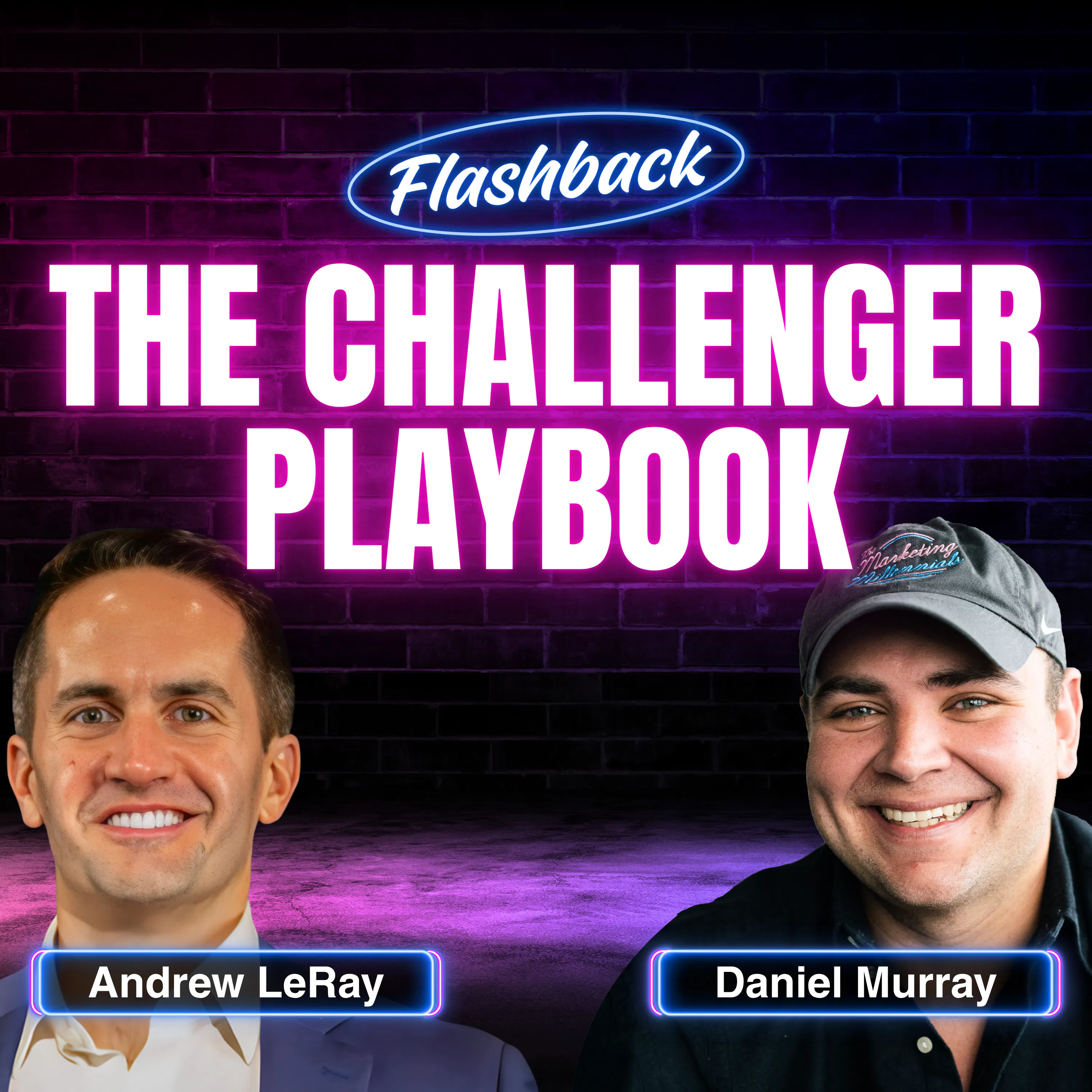
To market its championship, the NWSL creates a week-long series of engagements like media days, skills challenges, and fan fests. This strategy builds the "gravity" of the main event, positioning it as a premium, major moment rather than just a single game, using storytelling to elevate brand perception.
Related Insights
Unlike 150-year-old legacy leagues, the NWSL embraces its "challenger brand" identity. This gives them the latitude to make noise, experiment, and pursue partnerships that more established, risk-averse organizations can't or won't. This freedom is a core strategic advantage for growth.
The NWSL employs content creators in every market for every match. They capture unique photos and videos and distribute this high-quality content directly to players. This simple service empowers players to build their personal brands, which in turn promotes the league organically through their larger followings.
To combat golf's stuffy image, LIV integrates concerts, walk-up music, and a festival-like atmosphere into its events. This strategy successfully attracts a new, younger demographic—with 60% of attendees under 40—by turning a sports tournament into a broader cultural experience.
Unlike product marketing, sports marketing cannot control the core product’s performance (wins/losses). The primary job is to build deep, personal connections between fans and athletes. This creates emotional "insulation" where fan loyalty is tied to the people and the brand, not just unpredictable on-court results.

To scale, the NWSL deliberately shifted its marketing from serving its existing avid fanbase (loyalty) to broadening the top of the funnel (awareness). The primary brand marketing goal became welcoming the "more casual, more curious fan" who may not have known the league existed.
The NWSL builds its brand by focusing on player personalities. New fans typically become attached to individual players before developing loyalty to a specific team or the league itself. This player-centric approach is the primary entry point into their marketing funnel.
To build a fan base before playing any games, the Portland Fire focused on being a 'lifestyle brand' and 'culture driver.' This approach engages fans year-round through basketball-adjacent content and cultural connections, rather than relying solely on game-day performance, a strategy that proved successful for the Golden State Valkyries as well.
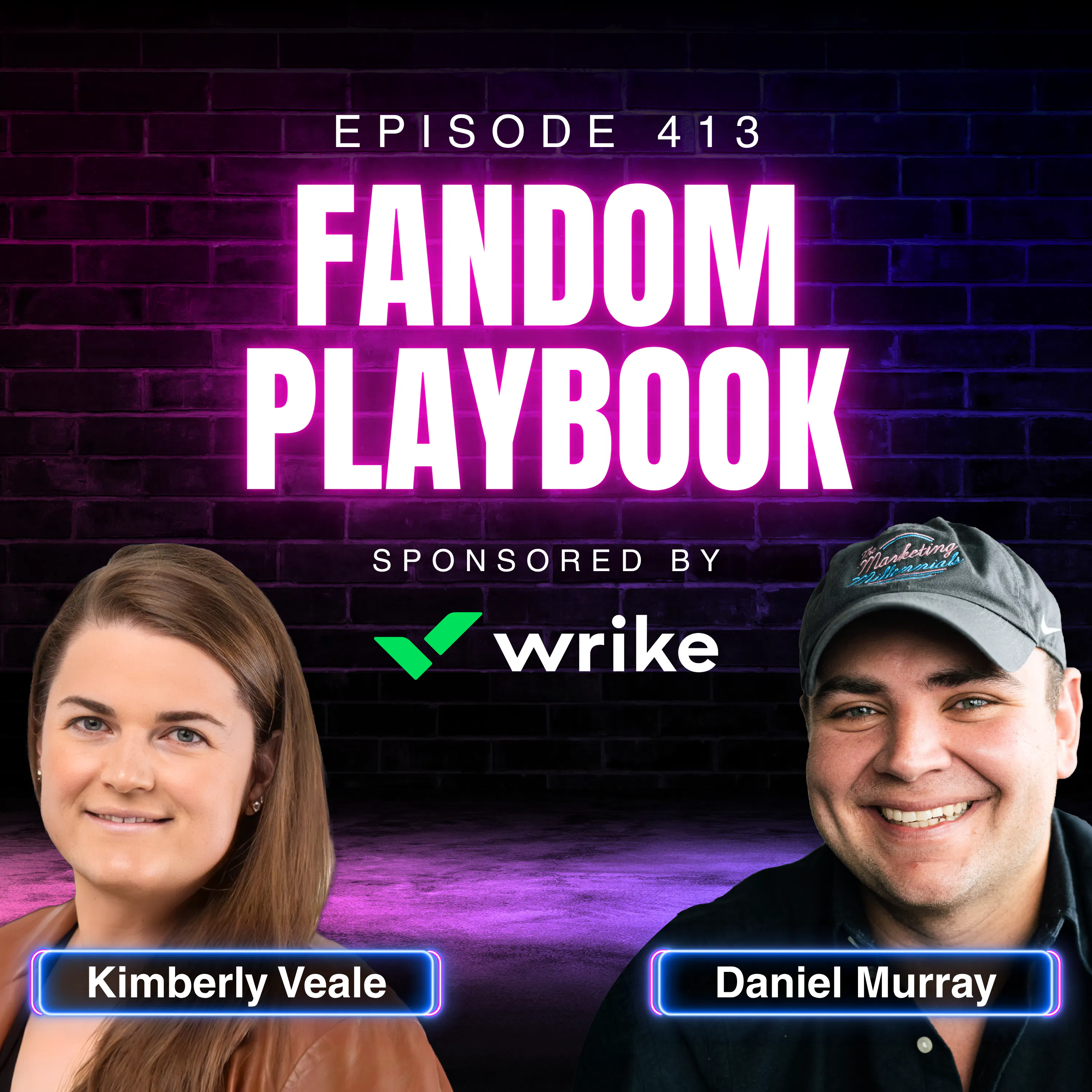
Brands maximize the ROI of expensive activations like those at the Super Bowl by reframing them as 'production days.' Instead of a one-off event, they become content engines for social media and creative campaigns, using influencers and programming to reach a much broader audience.

In sports, internal-facing marketing assets like pre-game videos serve a dual purpose. They are designed to energize the players, which directly enhances their performance and, by extension, the fan experience. This creates a feedback loop where fan entertainment and player motivation fuel each other.
The value of a Super Bowl spot is maximized through a 'Surround Sound' approach that begins days before the game. This involves an integrated campaign of PR stunts, social media buzz, and media appearances to build momentum, ensuring the brand 'wins' before the ad even airs.