Get your free personalized podcast brief
We scan new podcasts and send you the top 5 insights daily.
Dylan Baxter initially tried licensing Plant Switch's biodegradable resin directly to legacy plastic manufacturers, but enterprise sales repeatedly stalled. The startup broke through only after becoming vertically integrated, learning food packaging from scratch and handling its own finished production to supply distributors like Walmart.

Related Insights
The conventional wisdom for CPG startups was to be "asset-light" and use co-packers. However, owning the supply chain provides crucial control over quality, production schedules, and cash flow, preventing startups from being pushed aside by a co-packer's larger clients. This control is now a key diligence point.

Industrial biotech startups often fail trying to scale cost-effectively. Since customers rarely pay a premium for sustainability alone, directly replacing a cheap petrochemical is a losing battle. A better strategy is to develop unique products with novel functionalities.

A frozen fry company built its own facility to control its unique process using beef tallow. This vertical integration ensures quality and creates a secondary revenue stream by wholesaling to other restaurants, described as a "sneaky wholesale business."

When leading beverage manufacturers refused to produce their unique, raw-ingredient recipe, the founders built their own bespoke manufacturing facility. This vertical integration was necessary to maintain product quality and bring their vision to market, despite the challenge of building two businesses at once.

Radical AI learned from early customer feedback that success required deep vertical integration—from discovery to scaled manufacturing—in a single material class (alloys). A broad, horizontal approach across many materials was not viable.
By manufacturing in-house, Buy Rosie Jane maintained profitability and control over its cash flow. This vertical integration was the key that allowed the bootstrapped company to handle large purchase orders from major retailers like Anthropologie and Sephora without needing outside investment.
Existing agricultural giants have no incentive to process small batches of novel crops for startups. To prove market demand and achieve scale, innovators must acquire their own processing capacity, a risky but essential move to get products to market.

The founder of BuzzBalls built a massive CPG brand by rejecting the typical asset-light model. By vertically integrating and producing her own patented plastic containers and spirits, she maintained quality control and supply chain reliability. This demonstrates a powerful, though less common, path to success for bootstrapped CPG founders.
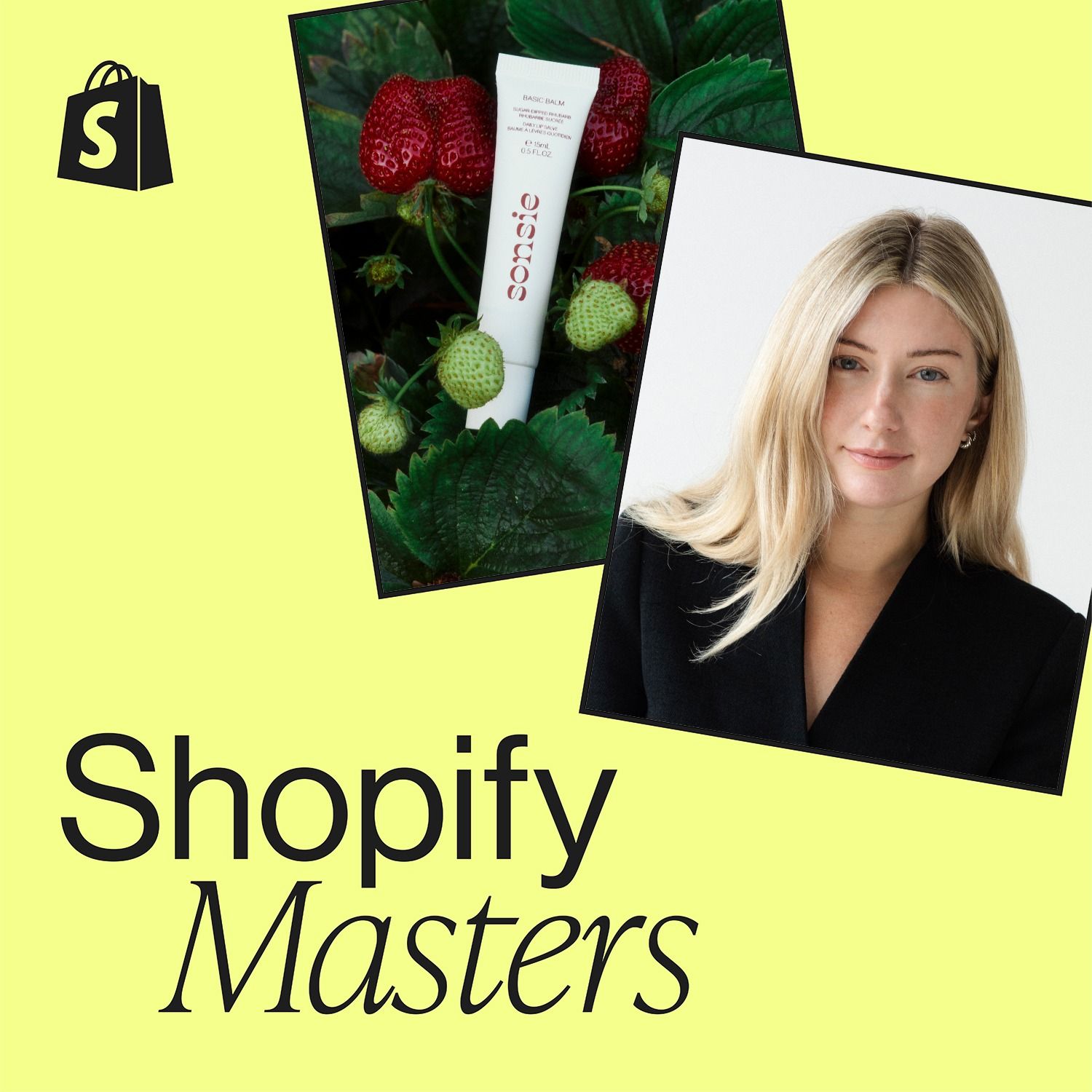
Game-changing sustainable materials, like Sonsie's at-home compostable packaging, already exist. The primary barrier to mainstream use isn't a lack of innovation but slow adoption by brands. Widespread adoption is required to increase manufacturing volume, drive down costs, and make sustainability the standard.
Instead of using a co-packer, MadeGood built its own factory. This costly move was essential for guaranteeing their 'allergen-free' promise, allowing them to control the entire supply chain and manufacturing process, which provided peace of mind and brand integrity.