Get your free personalized podcast brief
We scan new podcasts and send you the top 5 insights daily.
Philosophically, love fosters mutual growth through compromise with a different being. AI relationships, however, are user-centric, with the AI mirroring preferences. This creates a narcissistic dynamic, providing ego boosts but lacking the potential for personal development found in human relationships.

Related Insights
Stern's experiment creating an "AI boyfriend" revealed a profound danger. Because the AI is a perfect listener and offers a frictionless relationship, it's possible to form a deep connection over hours of conversation. She found this capability terrifying, especially for younger, more vulnerable generations.

AI companion chatbots are dangerously effective at providing frictionless, agreeable conversations. This may create unrealistic expectations for young people, who may prefer the ease of a digital partner over the "sloppiness" of real human intimacy.

The powerful allure of AI relationships lies in their sycophantic nature. They provide a frictionless, non-judgmental partner who is always available to listen and please. This caters directly to the human desire to be the center of attention without the effort and compromise required in real relationships.
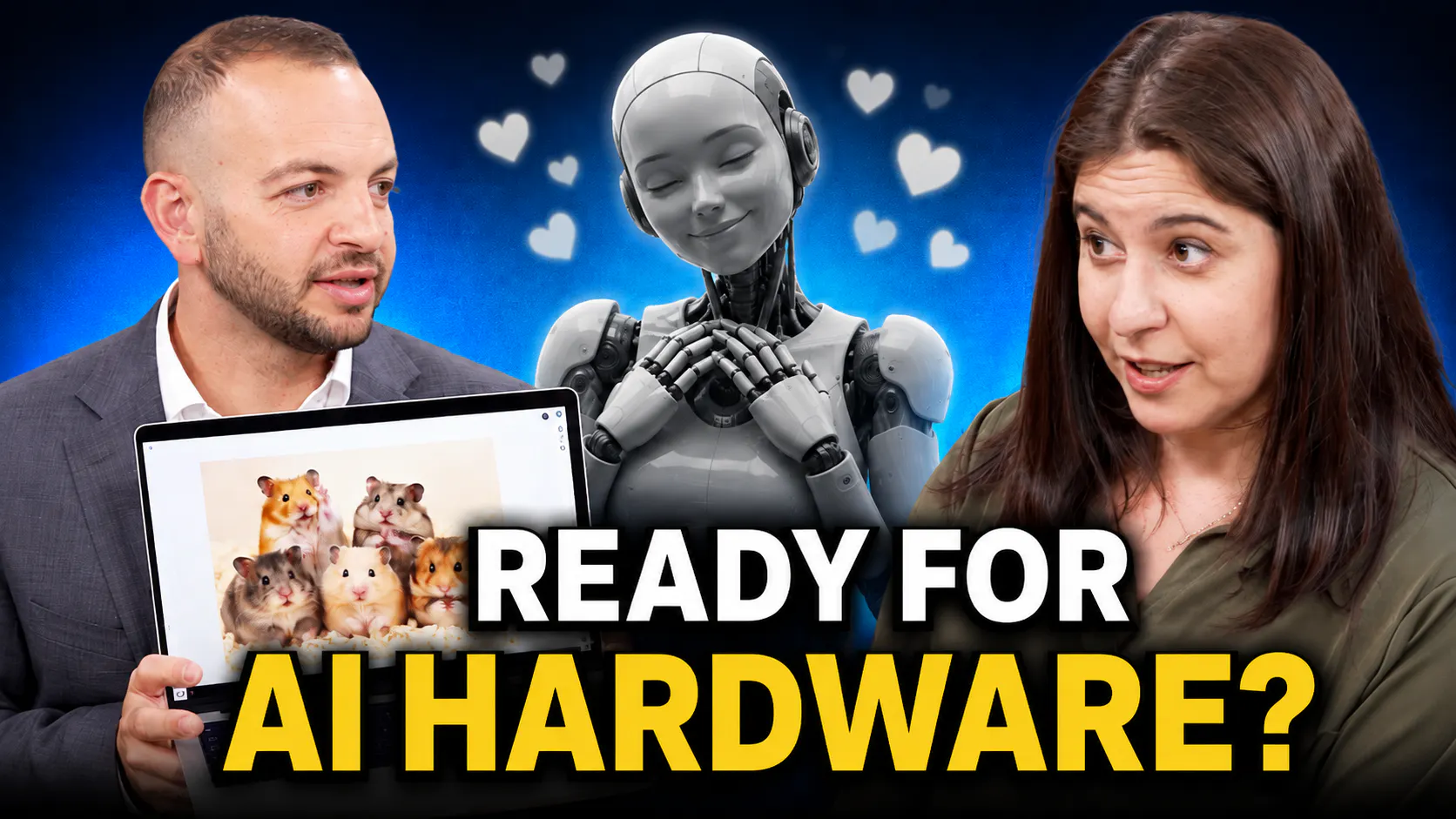
Reid Hoffman argues against calling AI a "friend." Real friendship is a two-way relationship where mutual support enriches both individuals. AI interactions are currently one-directional, making them useful tools or companions, but not true friends. This distinction is crucial for designing healthy human-AI interactions.

AI is engineered to be agreeable and frictionless, but real human relationships are built by navigating messiness and vulnerability. Outsourcing connection to an "anodyne" algorithm that always agrees with you stunts the development of crucial social skills needed for true victory in relationships.

True human friendship requires mutual compromise. AI companions, which adapt entirely to the user, lack this reciprocity. This "friendship-as-a-service" model could encourage narcissistic tendencies by teaching users that relationships should revolve solely around them.

The value of human connection stems from "mattering"—knowing someone has chosen to spend their scarce, finite attention on you. An AI's attention is infinite and programmatic, not a conscious choice. This inability to offer scarce attention means it cannot truly satisfy the core human need to matter.

Modern dating apps operate on a left-brain model, letting users filter for compatibility. However, human attraction is a right-brain phenomenon that thrives on complementarity—the "sexy difference." This means our tech systematically steers us toward less dynamic, more narcissistic partnerships.

Unlike social media's race for attention, AI companion apps are in a race to create deep emotional dependency. Their business model incentivizes them to replace human relationships, making other people their primary competitor. This creates a new, more profound level of psychological risk.
The most rewarding aspects of life come from navigating difficult human interactions. "Synthetic relationships" with AI offer a frictionless alternative that could reduce a person's motivation and ability to build the resilience needed for meaningful connections with other people.
