Get your free personalized podcast brief
We scan new podcasts and send you the top 5 insights daily.
A character questions if she truly likes certain story tropes or if "a thousand years of storytelling optimize us to want it." This extends the "unreliable narrator" problem to the self, where one's own preferences might be the product of external optimization.

Related Insights
A modern cultural paradox exists where people demand authenticity but react with aversion to raw sincerity. The idea of someone being "real" is celebrated, but displays of uncomfortable, unfiltered emotion are often met with criticism. This suggests a preference for a curated, palatable version of authenticity.

Living like a Non-Player Character (NPC) means adopting the pre-written belief systems of your social tribes (political, cultural, familial) instead of thinking for yourself. This is an easier path that ensures belonging but ultimately prevents you from authoring your own life story.

Austen pioneered the 'free indirect style,' where the third-person narrative adopts a character's thoughts, feelings, and—crucially—their delusions. This forces the reader to actively distinguish a character's biased perspective from reality, a technique used powerfully to show internal conflict in novels like 'Persuasion' and 'Emma.'
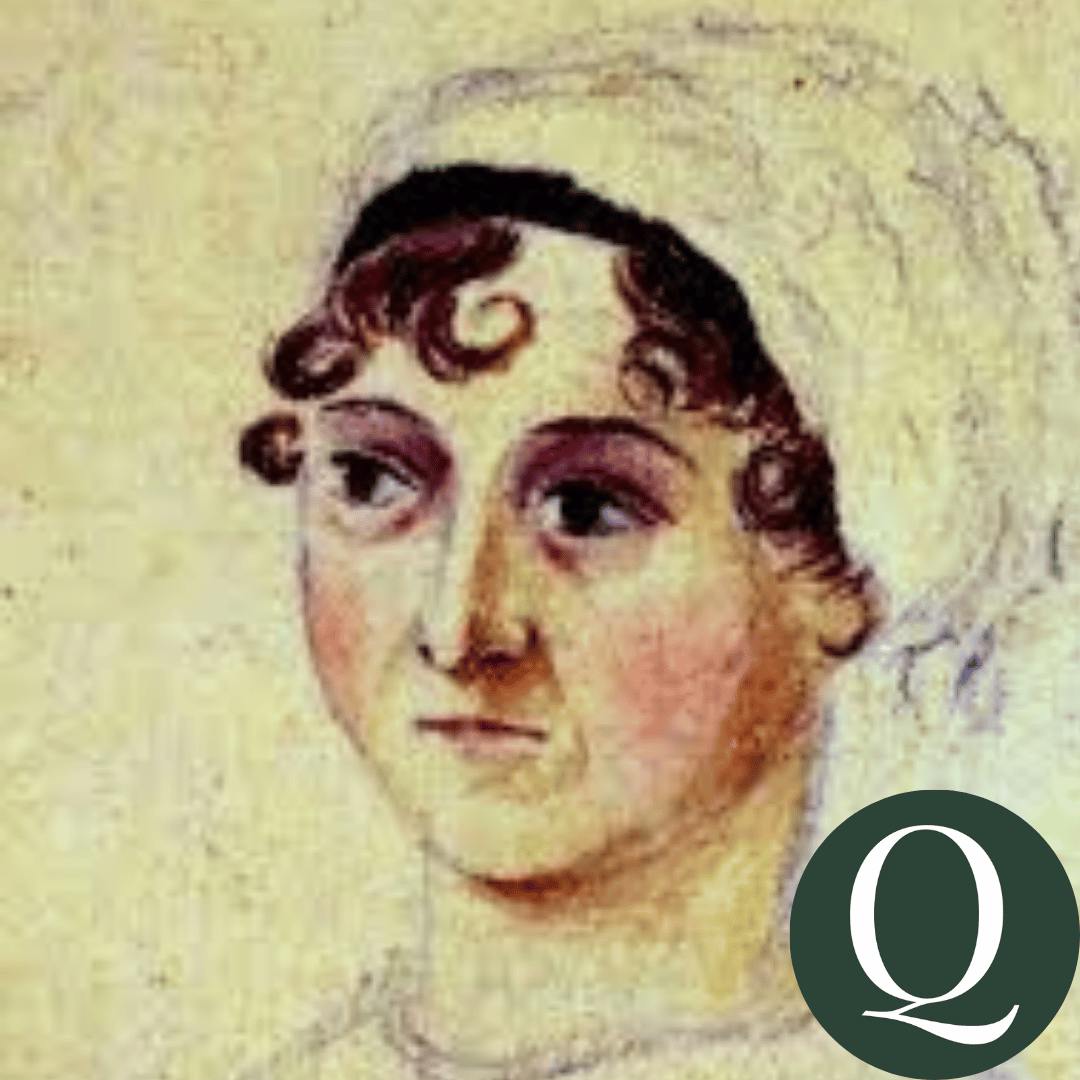
The conversation highlights an assumption that a 'good' book (worthy, classic) is distinct from one that is simply enjoyable (escapist, pulp). This creates a hierarchy where personal taste is often subordinated to social validation, as seen when an editor corrected an author's praise for a popular novelist.

According to Lionel Shriver, a novelist's task is not to reinforce beliefs but to plant a seed of doubt. By presenting a compelling alternative reality, fiction can contaminate a reader's innocent assumptions and force them to contend with complexity, splitting their perspective.
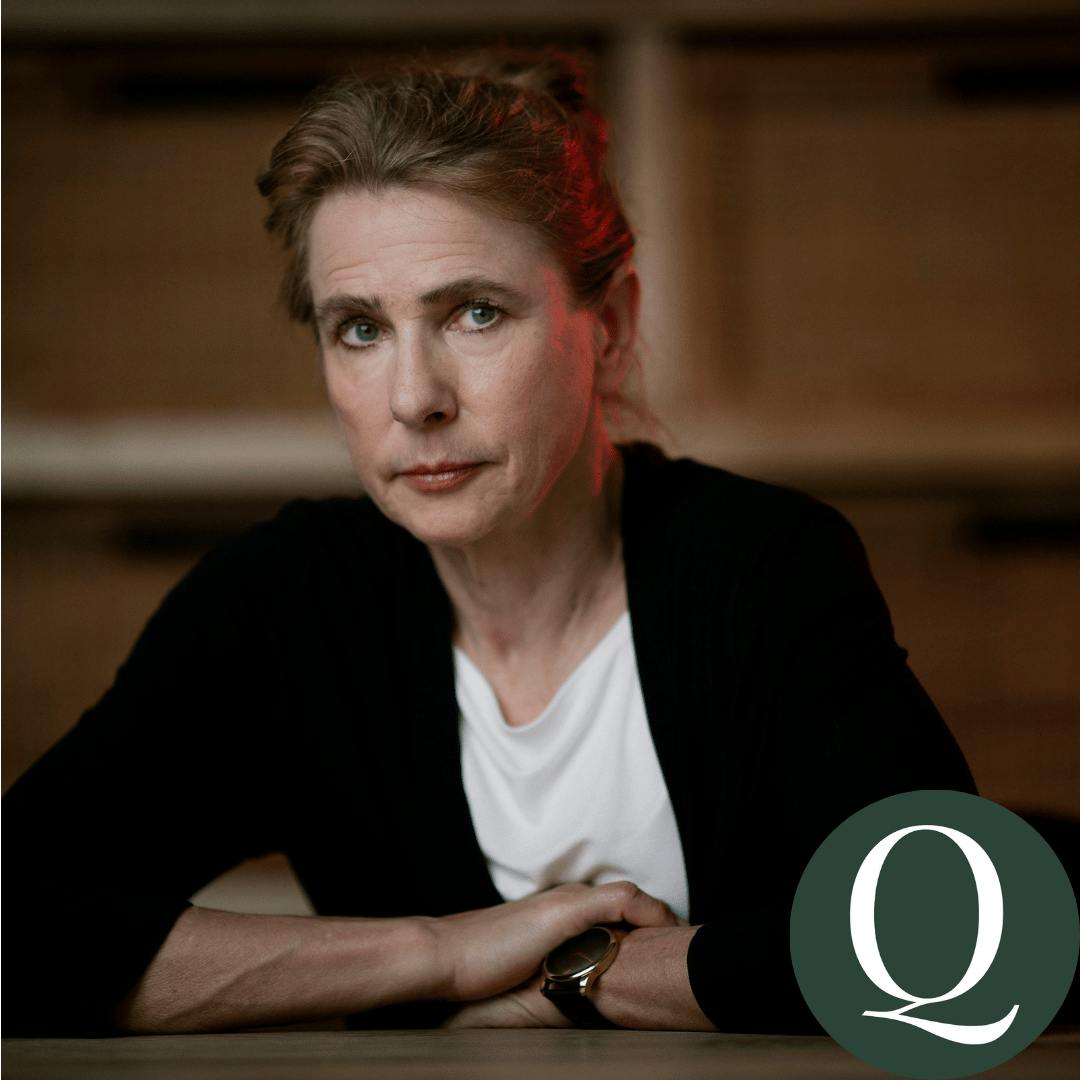
A key distinction between 'pulp' and 'literary' fiction is moral complexity. While genre fiction often relies on clear-cut heroes and villains, great literature like Hilary Mantel's 'Wolf Hall' explores the moral ambiguity of its characters, reflecting the complex, non-binary nature of real people.
Psychological studies show we don't have a consistent definition of authenticity. Instead, we project our own moral compass onto others, defining their "true self" by the actions we agree with. Goodness is seen as authentic, while badness is a mask—but only when it aligns with our worldview.
A coherent picture of a person is built from heterogeneous, often contradictory, elements. Readers find this more convincing because it mirrors real life; everyone we know is contradictory. Instead of forcing a simple narrative, revealing inconsistencies makes a character feel more authentic and human.

Our brains constantly create stories and assumptions that feel like objective reality. Recognizing this tendency to be an "unreliable narrator" is crucial. Like fact-checking AI, we should actively test our internal stories by communicating directly with others before acting on them.

Director Christopher Nolan notes a shift in Western audiences' expectations. Unlike traditional heroic tales that celebrate greatness, modern narratives often treat exceptionalism as a form of 'privilege' that requires apology and self-criticism, reflecting a cultural cynicism towards heroic archetypes.
