Get your free personalized podcast brief
We scan new podcasts and send you the top 5 insights daily.
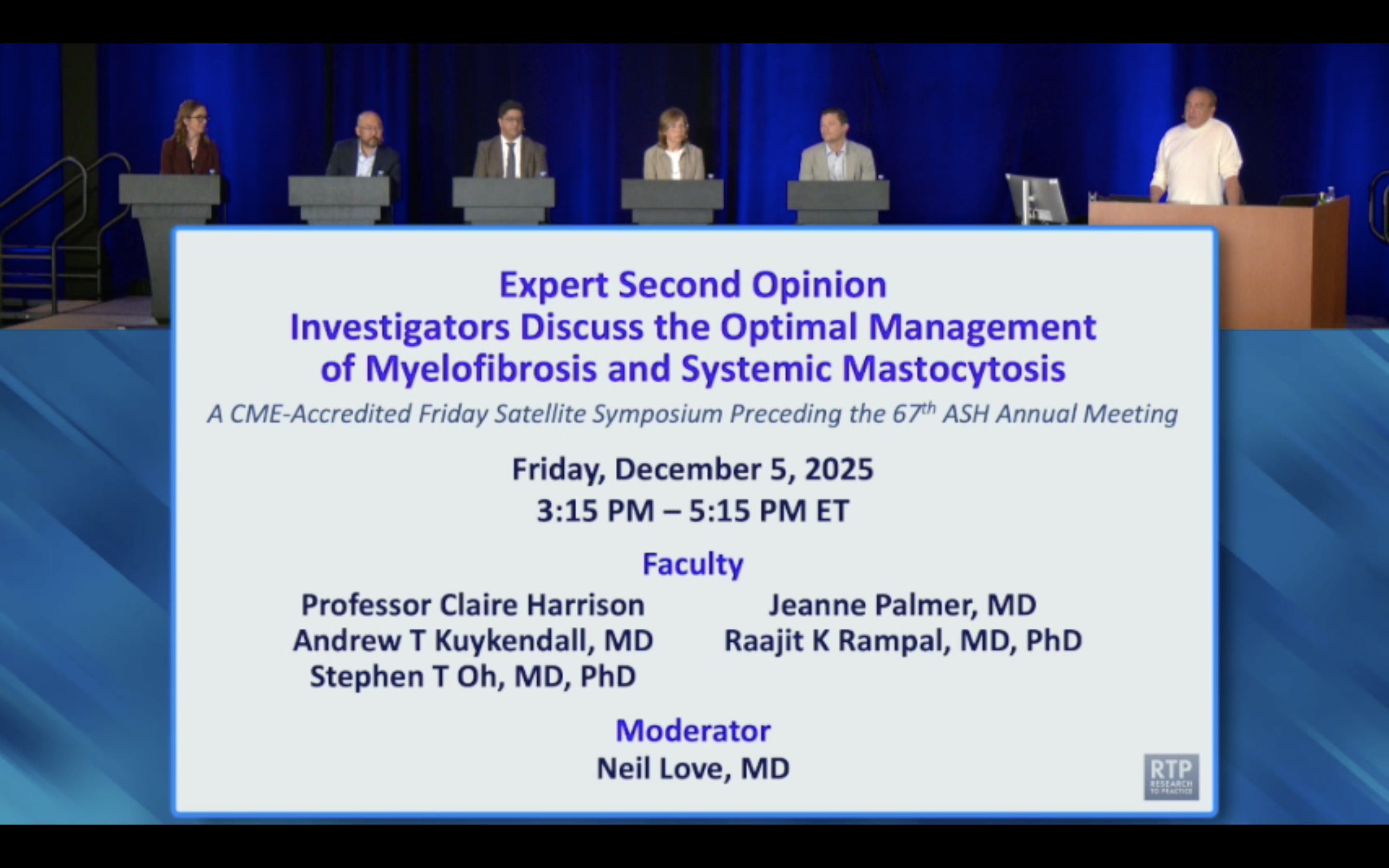
While new therapies effectively control daily symptoms in non-advanced systemic mastocytosis, significant unmet needs remain. The next generation of treatments must demonstrate an ability to reduce the risk of severe complications like life-threatening anaphylaxis and debilitating fragility fractures, which current pivotal trials were not powered to properly assess.

Related Insights
The high efficacy of new drugs for systemic mastocytosis is prompting consideration of "drug holidays." This would allow patients, who have a near-normal life expectancy, to temporarily stop treatment for major life events like planning a family. This signals a paradigm shift from continuous therapy to intermittent disease management for chronic conditions.
Seldex's Barzol, a mast cell depleting drug for urticaria, successfully addressed significant safety concerns in its Phase 3 trial. With only two drug-related anaphylaxis cases in 1500 patients (less than placebo), the data counters widespread fears about the mechanism's safety, positioning it as a potentially key therapy in a large market.

For non-advanced systemic mastocytosis, new drugs are differentiated by their side effect profiles, not just efficacy. Avapritinib can cause cognitive effects as it crosses the blood-brain barrier, while bezuclastinib may cause transient liver enzyme elevation. This allows for personalized treatment choices based on patient tolerability and lifestyle.
Recent drug approvals for non-advanced systemic mastocytosis were based on patient-reported outcomes (PROs) measuring symptom improvement. While biomarkers like serum tryptase often correlate, the primary measure of success is the patient's subjective experience. This presents a challenge for monitoring effectiveness in routine clinical practice outside of formal trials.
Unlike traditional therapies, the safety of multi-specific antibodies cannot be optimized later via dose adjustments. Critical safety profiles are determined at the initial design stage, and early flaws can prevent a molecule from ever reaching therapeutically effective doses.

In patients with systemic mastocytosis and an associated hematologic neoplasm (SM-AHN), the primary clinical challenge is determining which disease component is driving the main problems, such as cytopenias. This is critical because KIT inhibitors treat the SM, but the AHN may require a completely different therapy.
With highly effective treatments like CAR-T and bispecifics moving into earlier lines of therapy for multiple myeloma, the clinical focus must evolve. While efficacy benchmarks have been met, the next advancement requires vigilant attention to safety, particularly infection risks and other side effects of new paradigms.
Avapritinib is dosed at 200mg for advanced systemic mastocytosis (SM) but only 25mg for indolent SM. This tenfold difference is not based on tolerance but on the goal of therapy: extending survival in advanced SM versus improving quality of life without significant toxicity in indolent SM, where survival is near-normal.
The primary hurdle for the entire biologics field is enhancing the therapeutic index (efficacy vs. toxicity). Because most conditions like cancer and autoimmune disorders are 'diseases of self,' therapeutics often have on-target, off-tumor effects. This fundamental problem drives the need for innovations like masking and conditional activation.

Despite massive unmet need, drug development in higher-risk MDS has stalled because many drugs promising in Phase 1/2 trials fail in Phase 3. Their toxicities, manageable in smaller trials, become prohibitive for the older, co-morbid patient population in larger studies, making a favorable safety profile a critical prerequisite for success.
