Get your free personalized podcast brief
We scan new podcasts and send you the top 5 insights daily.
A speaker likens Trump's lack of coordination with Congress and European allies on Iran to being stranded without a visa. By alienating potential partners and failing to do basic diplomatic work, a leader is left with no negotiating power, forced to accept any terms offered.

Related Insights
The seemingly "Trumpiest" option of unilaterally declaring victory and withdrawing is highly risky. Iran could simply continue its hostile actions, such as keeping the Strait of Hormuz closed. This would immediately expose the "victory" as a sham, turning a political win into a major international humiliation for the president.
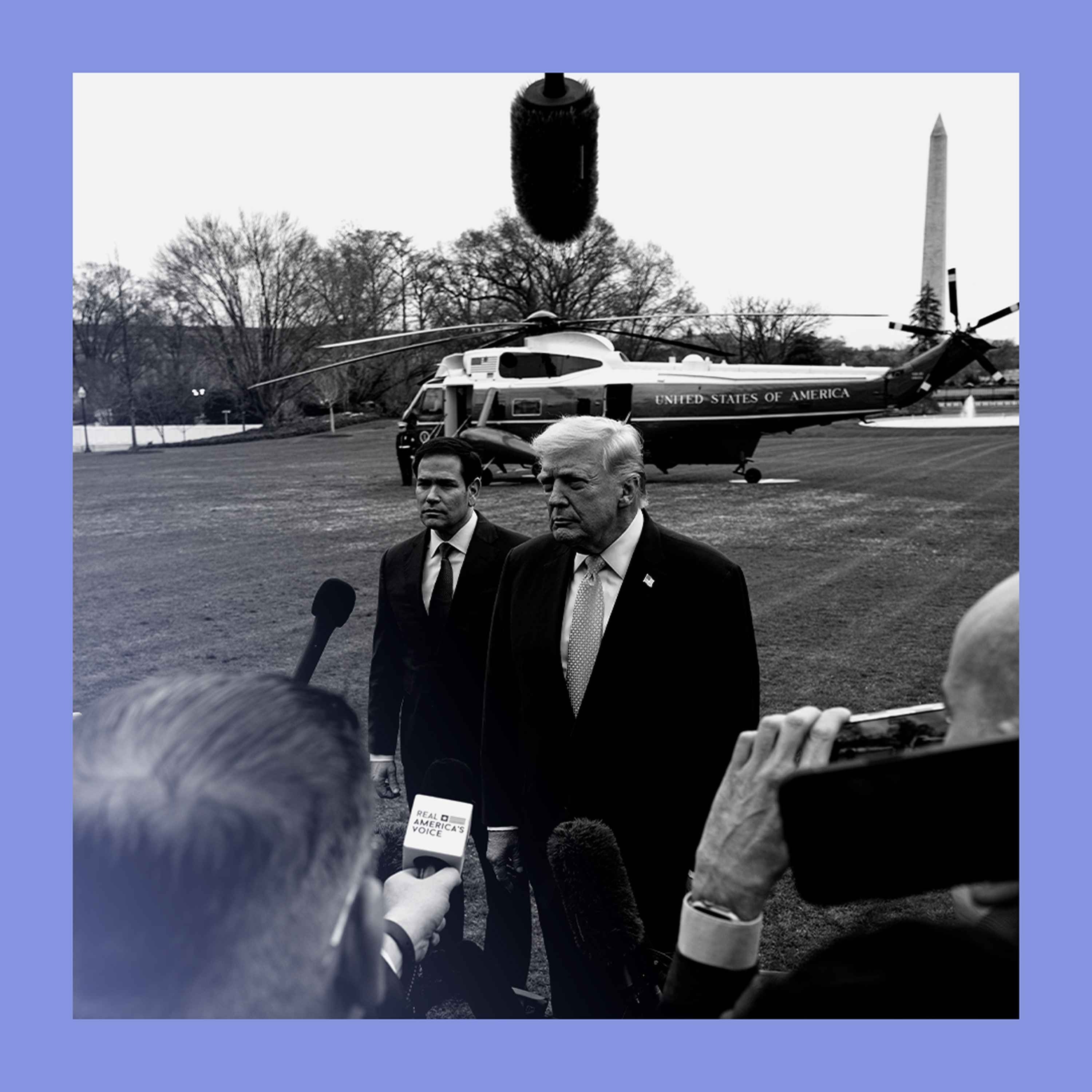
President Trump and his administration are sending contradictory signals on the Iran conflict, simultaneously claiming it is 'very complete' while also preparing for further action. This inconsistency confuses markets and allies, pointing to a severe lack of a coherent and unified strategy within the administration.

Trump's strategy of publicly bullying and belittling allies backfires on the international stage. Unlike in domestic politics, sovereign nations have viable alternatives. This approach forces them to save face by aligning with rivals like China, even if it's not in their long-term best interest.

The host critiques Trump's approach to foreign policy by comparing it to an emotionally driven business leader. Acting tough in the moment provides short-term satisfaction but strategically undermines long-term goals by alienating allies whose help will eventually be needed.

The Trump administration's aggressive rhetoric against Iran, followed by repeated inaction when its bluffs were called, created a 'second worst scenario.' This approach projected incompetence and weakness on a global scale, arguably more damaging to US credibility than a more reserved policy would have been.

The host questions why the US doesn't just seize Iranian oil. The fact they don't suggests powerful, unseen legal or diplomatic constraints are at play, creating a political "blast radius" that even a leader known for bold actions is unwilling to trigger.

By forgoing a coalition, unlike past presidents, Trump's administration forces the U.S. to bear the entire financial and diplomatic cost of the Iran conflict. Allies, feeling unconsulted, are refusing to help, leaving America isolated to 'own' the problem it created.
By forgoing consultation with allies, Congress, or the UN, the Trump administration frames its military action as ad hoc rather than a defense of international rules. This erodes legitimacy and alienates key European partners who prioritize a rules-based system, contrasting sharply with the coalition-building of past interventions like the Iraq War.
The Trump administration's unilateral approach, demanding help from allies it has previously bullied, has backfired in the Iran conflict. Unlike past wars where coalitions shared the financial and military burden, the U.S. is now isolated and facing a "global raspberry," demonstrating the failure of transactional diplomacy.

Trump’s strategy of publicly belittling and bullying both adversaries and allies is proving ineffective. Rather than forcing compliance, this 'smash and grab' approach creates unintended consequences, pushing traditional partners like Spain and Canada closer to economic rivals like China.
