Get your free personalized podcast brief
We scan new podcasts and send you the top 5 insights daily.
Earli's technology delivers a genetic blueprint, not a drug. A lipid nanoparticle inserts a DNA-based "switch" that programs cancer cells to produce complex therapeutic payloads locally. This solves the dual problems of systemic drug dilution and off-tumor side effects, aiming to significantly raise the therapeutic index for potent therapies.

Related Insights
By delivering a high, sustained local drug concentration, Nenology's platform shifts cancer cell death from a passive process (apoptosis) to immunogenic cell death. This releases antigens that actively prime the immune system, creating a secondary anti-tumor effect and potentially boosting the efficacy of other immunotherapies.

Instead of creating therapies for hundreds of specific driver mutations, which vary widely between patients, Earli's platform targets downstream commonalities—the "hallmarks of cancer" like rapid cell proliferation. These pathways are where diverse mutations converge, creating a more universal and reliable target across different cancers.
While personalized cancer vaccines require extracting and processing a patient's tumor, Create Medicines' in vivo approach is entirely off-the-shelf. By delivering the programming directly into the body, they enable the patient's own immune system to do the complex, personalized work of attacking the cancer itself.
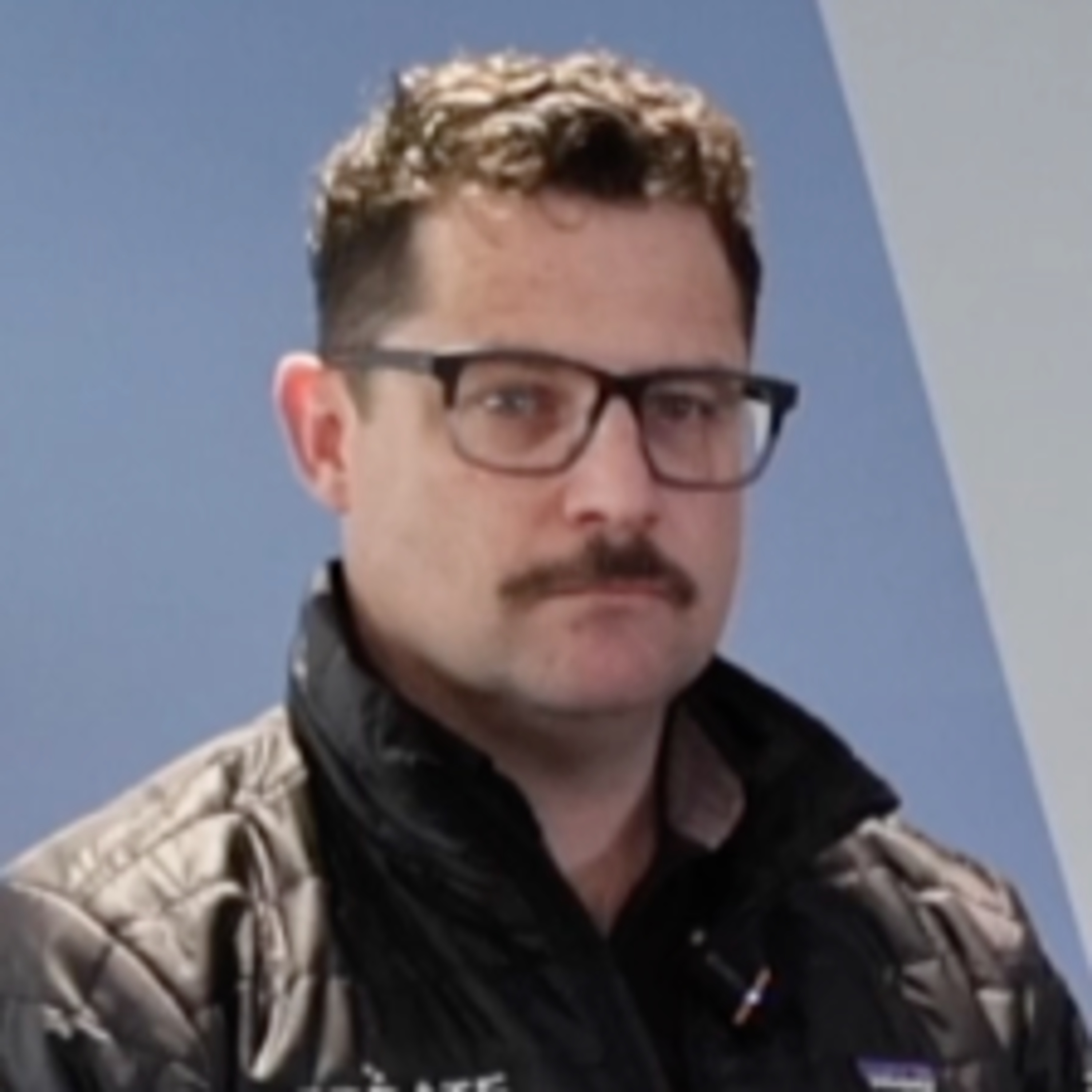
While complex gene editing may be challenging in vivo, Colonia's platform presents a novel opportunity: targeting different immune cell types (e.g., T-cells and NK cells) with distinct payloads in a single treatment. This could create synergistic, multi-pronged attacks on tumors, a paradigm distinct from current ex vivo methods which focus on engineering a single cell type.
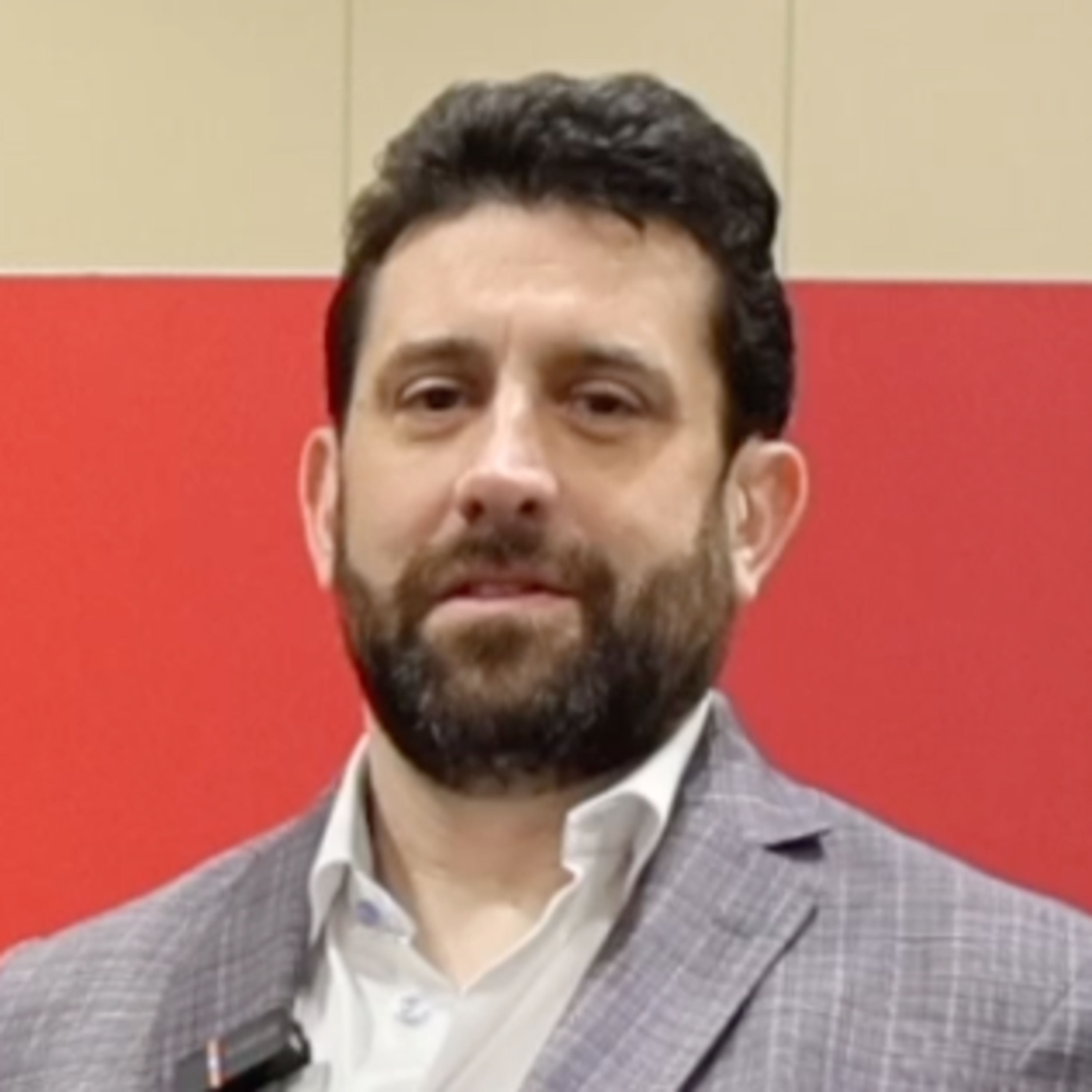
Accession's second product is a bispecific antibody that binds to all cancer cells. While this would be dangerously toxic if delivered systemically, their targeted virus delivery system ensures it is only produced inside the tumor. This strategy makes previously "undruggable" therapeutic concepts viable.

The next leap in medicine isn't just delivering a payload but programming it with conditional logic. Radar Therapeutics engineers mRNA to act like software with "if/and/or" commands. This allows the therapy to sense its cellular environment and activate only in the right context, moving beyond a simple "execute" function.

Many current gene therapies require a complex "ex vivo" process: removing cells, reprogramming them in a lab, and reinfusing them. The true breakthrough is developing "in vivo" treatments administered via a simple infusion that autonomously target the correct cells within the body.
Create Medicines chose LNP-delivered RNA for its in vivo platform to give physicians control. Unlike permanent lentiviral approaches, repeatable dosing allows for adapting to tumor antigen escape and managing durability and safety over time. This flexibility is a core strategic advantage for complex diseases like solid tumors.
Instead of just killing cancer cells, the primary mechanism is to insert a gene that forces the infected cell to produce and secrete a potent drug, like an anti-PD-L1 antibody. This creates a hyper-concentrated therapeutic effect directly in the tumor microenvironment, a concept termed "molecular surgery."
Instead of searching for elusive natural markers to target, EARLI's platform creates its own. It programs synthetic genetic "switches" that activate only inside cancer cells, turning them into factories that produce their own cancer-fighting therapies. This shifts the paradigm from biological discovery to biological engineering.
