Get your free personalized podcast brief
We scan new podcasts and send you the top 5 insights daily.
Instead of just killing cancer cells, the primary mechanism is to insert a gene that forces the infected cell to produce and secrete a potent drug, like an anti-PD-L1 antibody. This creates a hyper-concentrated therapeutic effect directly in the tumor microenvironment, a concept termed "molecular surgery."

Related Insights
To overcome the historical issue of oncolytic viruses being sequestered by the liver, Accession re-engineers a human virus so it cannot infect any human cells. Only after this safety step is it re-targeted to infect only cancer cells, ensuring precise delivery and avoiding systemic side effects.
The drug exhibits a multimodal mechanism. It not only reverses chemoresistance and halts tumor growth but also 'turns cold tumors hot' by forcing cancer cells to display markers that make them visible to the immune system. This dual action of direct attack and immune activation creates a powerful synergistic effect.

To overcome on-target, off-tumor toxicity, LabGenius designs antibodies that act like biological computers. These molecules "sample" the density of target receptors on a cell's surface and are engineered to activate and kill only when a specific threshold is met, distinguishing high-expression cancer cells from low-expression healthy cells.

An innovative strategy for solid tumors involves using bispecific T-cell engagers to target the tumor stroma—the protective fibrotic tissue surrounding the tumor. This novel approach aims to first eliminate this physical barrier, making the cancer cells themselves more vulnerable to subsequent immune attack.

Instead of focusing solely on T-cells, Create's platform first targets myeloid cells, which constitute up to 60% of some solid tumors. Programming these cells transforms the tumor microenvironment, enabling a 5-10x influx of CD8 T-cells. This overcomes a key barrier for T-cell therapies in solid tumors.
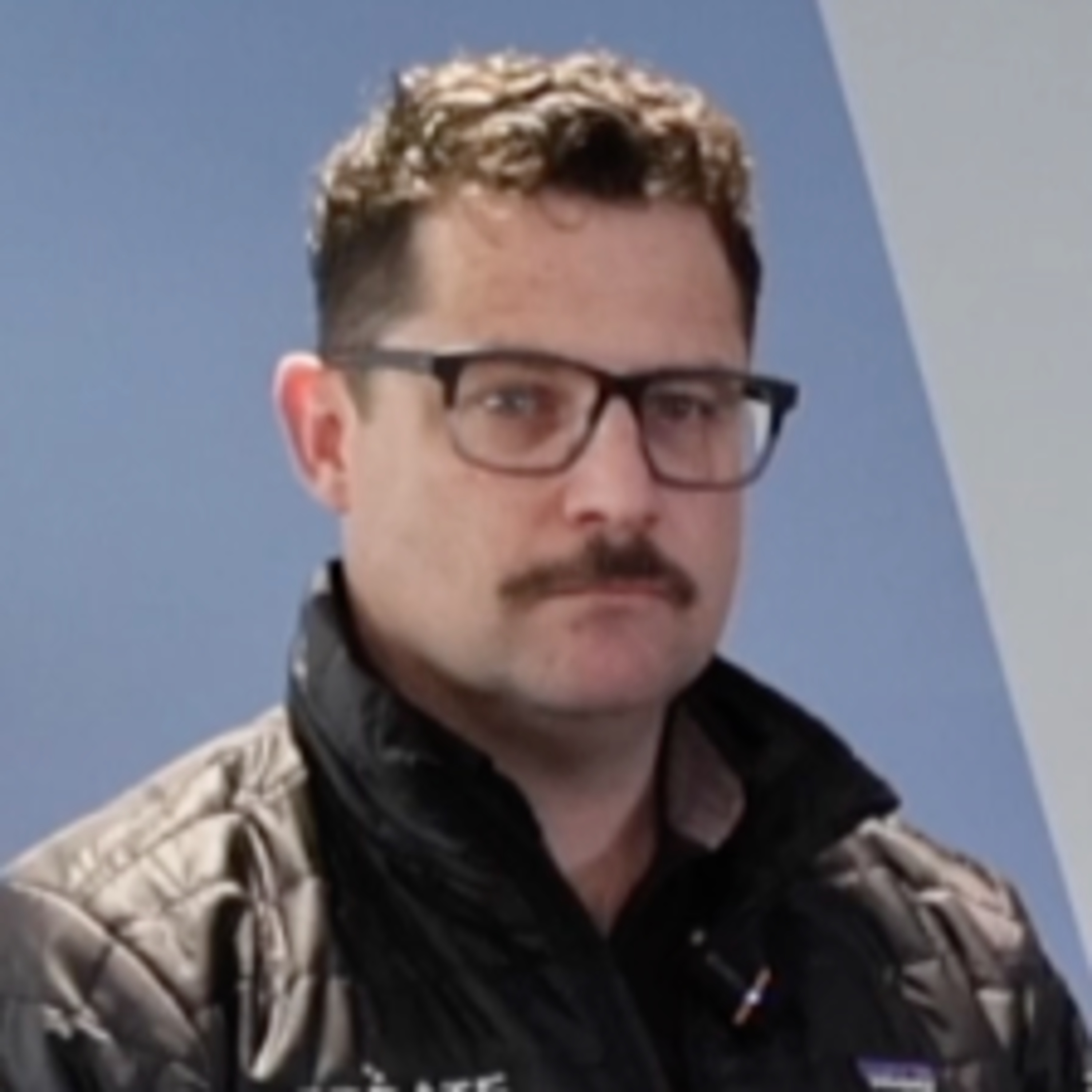
While personalized cancer vaccines require extracting and processing a patient's tumor, Create Medicines' in vivo approach is entirely off-the-shelf. By delivering the programming directly into the body, they enable the patient's own immune system to do the complex, personalized work of attacking the cancer itself.
While complex gene editing may be challenging in vivo, Colonia's platform presents a novel opportunity: targeting different immune cell types (e.g., T-cells and NK cells) with distinct payloads in a single treatment. This could create synergistic, multi-pronged attacks on tumors, a paradigm distinct from current ex vivo methods which focus on engineering a single cell type.
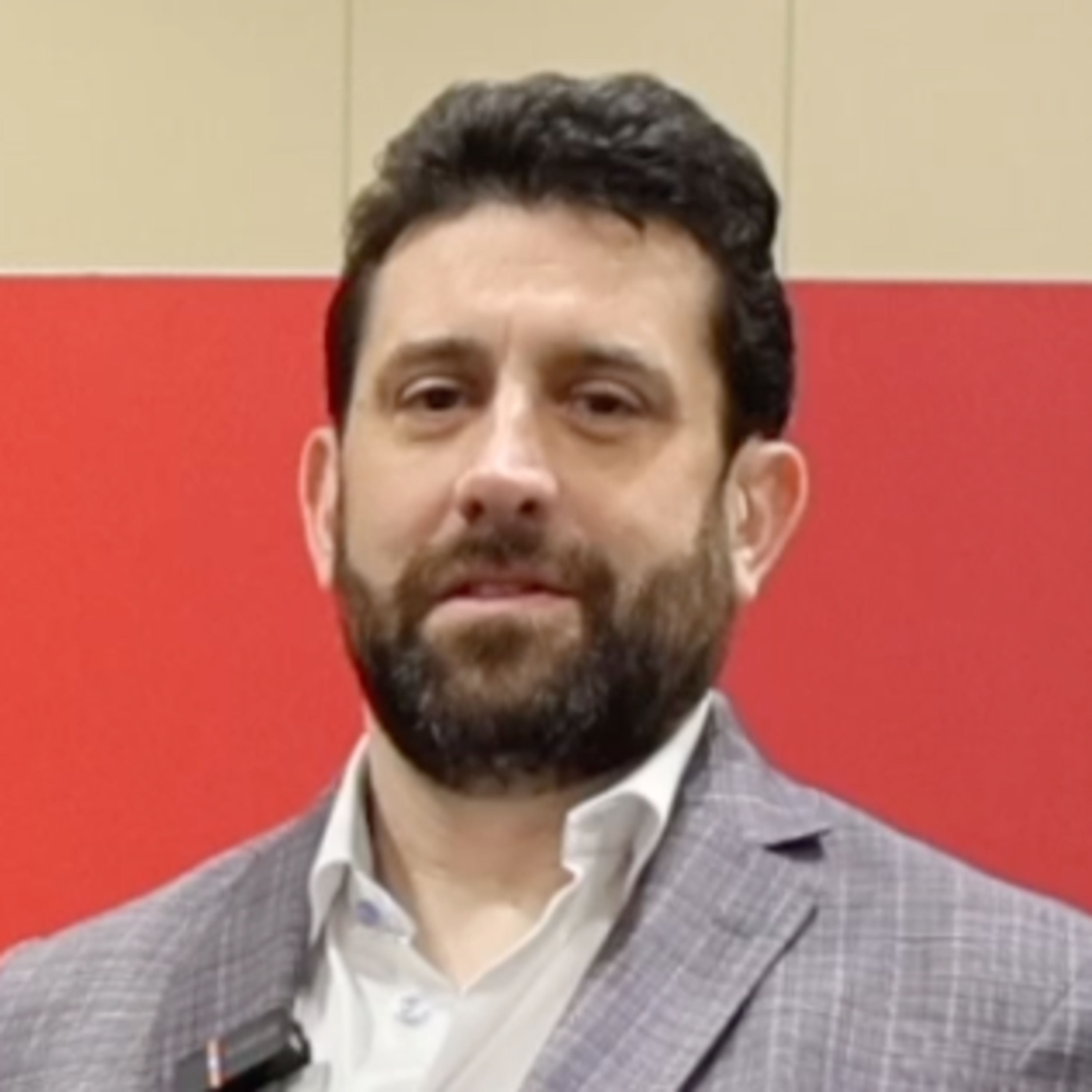
Accession's second product is a bispecific antibody that binds to all cancer cells. While this would be dangerously toxic if delivered systemically, their targeted virus delivery system ensures it is only produced inside the tumor. This strategy makes previously "undruggable" therapeutic concepts viable.
Create Medicines chose LNP-delivered RNA for its in vivo platform to give physicians control. Unlike permanent lentiviral approaches, repeatable dosing allows for adapting to tumor antigen escape and managing durability and safety over time. This flexibility is a core strategic advantage for complex diseases like solid tumors.
Beyond transient RNA, Create has developed a unique retrotransposon based on the human Line-1 element. This technology allows for stable, scarless gene delivery using only RNA, providing an option for durable expression (e.g., for CD19 CAR-T) alongside their transient approaches, creating a highly versatile platform.