Get your free personalized podcast brief
We scan new podcasts and send you the top 5 insights daily.
Skepticism towards ambitious tech ventures is often rational, and pessimists are frequently correct about short-term failures or delays. However, the history of Silicon Valley shows that the asymmetric upside of innovation means that long-term wealth is overwhelmingly created by optimists who back seemingly impossible ideas.

Related Insights
Contrary to conventional wisdom, pursuing massive, hard-to-solve ideas makes it easier to attract capital and top talent. Investors prefer the binary risk-reward of huge outcomes, and the best employees want to work on world-changing problems, not incremental improvements like a new calendar app.

An effective VC isn't just an unbridled optimist. They are a 'cynical optimist' who balances belief in the future with realism about current challenges. Their role is to steady a founder's emotions—tempering excitement in good times and providing uplift in bad times, rather than simply cheerleading.
Instead of defaulting to skepticism and looking for reasons why something won't work, the most productive starting point is to imagine how big and impactful a new idea could become. After exploring the optimistic case, you can then systematically address and mitigate the risks.

In venture capital, the potential return from a single massive winner (1000x) is so asymmetric that it dwarfs the cost of multiple failures (1x loss). This reality dictates that the primary focus should be on identifying and capturing huge winners, making the failure to invest in one a far greater error than investing in a company that goes to zero.

The willingness of investors to back unproven founders isn't just optimism. It's a calculated response to the immense pain of 'Category II errors'—passing on a company like Google. This fear of missing a massive return cultivates extreme open-mindedness, which manifests as a high-trust culture.
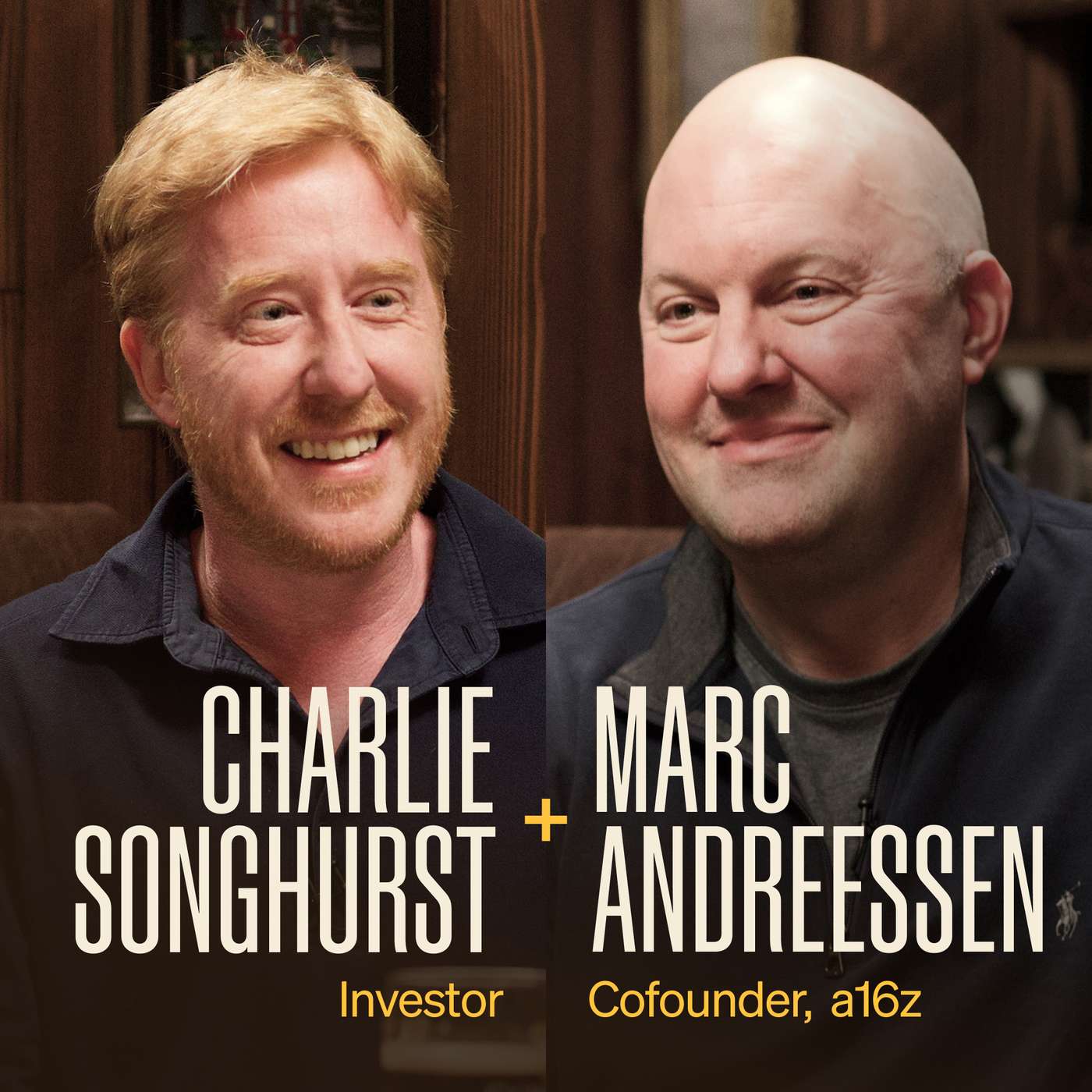
Rejecting an idea because it's too ambitious is a mistake. As the missed seed investment in OpenAI shows, big ideas inspire and attract the best talent. Even if the initial direction is wrong, hyper-competent teams working on massive problems will pivot and find a way to create immense value.
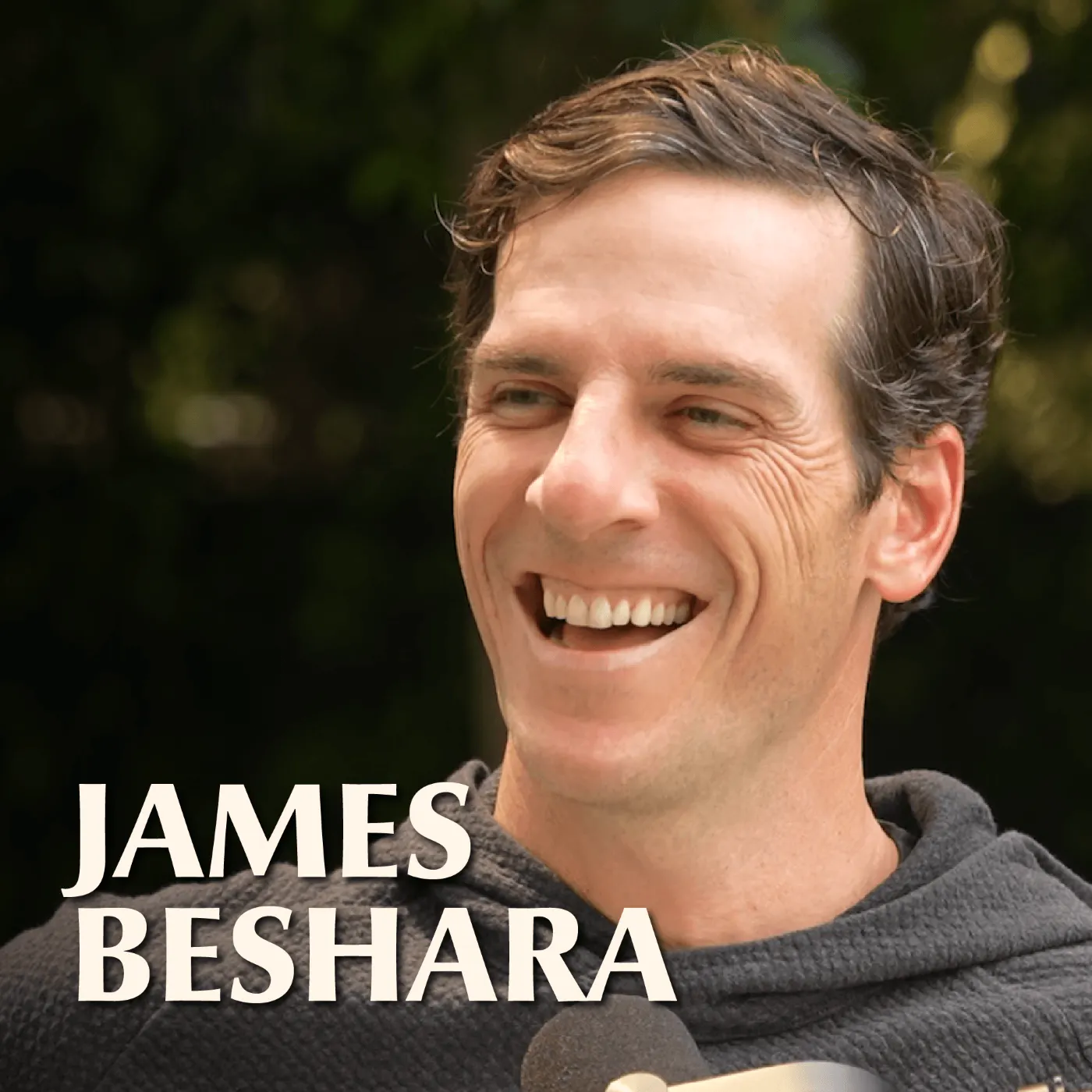
Vinod Khosla differentiates skeptics, who only see failure, from true contrarians. Entrepreneurs are contrarian about the status quo but fundamentally optimistic about what technology can make possible, enabling them to build the future.

Legendary investors often succeed by making contrarian bets on ideas considered fringe. Peter Thiel became the first backer of DeepMind when AI was dismissed as 'sci-fi' by both the scientific and entrepreneurial communities, demonstrating a pattern of betting on unpopular but transformative technologies.
Unlike baseball where the best outcome is four runs, business has a long-tail distribution of returns. A single successful venture can return 1000x, paying for all failed experiments. This asymmetric risk profile means it's rational to be bolder and take more calculated risks.

When pioneering a new technology, founders must have the conviction to build for its future state, not its current, often flawed, capabilities. Much like early mobile skeptics, today's AI critics may be proven wrong. Success requires ignoring current limitations and building for what will become possible.
