Get your free personalized podcast brief
We scan new podcasts and send you the top 5 insights daily.
Healthcare is predicted to be a non-issue in the upcoming midterm elections, overshadowed by the economy. However, it is positioned to become a dominant and problematic topic for the 2028 election cycle as major events like Medicaid cuts and the return of significant healthcare inflation are timed to hit after the midterms.

Related Insights
In the US, where public health is not a political priority, the catalyst for policy change promoting healthier living will be fiscal. The government cannot afford the current trajectory of healthcare spending, which will eventually force changes in housing, food, and community planning.

While the overall economic growth outlook is unlikely to change significantly based on the election, specific sectors face distinct risks. Power and data center REITs are tied to AI policy, while consumer and healthcare sectors are exposed to potential changes in SNAP and Medicaid.

By 2028, the primary American political issue will shift from traditional economics and foreign policy to the societal impact of AI. The election will become a referendum on whether AI's benefits are broadly shared or if it has only enriched a small Silicon Valley elite at the expense of national employment.

The 2026 midterm elections are unlikely to cause significant policy shifts due to probable gridlock. Their real value for investors is in providing 'soft signals' about evolving voter preferences that could foreshadow major policy directions after the 2028 general election, creating opportunities if the market misinterprets them.

Recent elections show a clear pattern: politicians win by focusing on groceries, rent, and healthcare. These three categories, dubbed the "unholy trinity," represent the biggest inflation pain points and make up 55% of the average American's cost of living, making them the decisive political issue.

An effective strategy during a government shutdown is to avoid a broad debate and instead focus public attention on one clear, emotionally resonant issue, like the loss of healthcare subsidies. By targeting voters in the opposition's territory, this tactic aims to divide the other party's base and claim the moral high ground.

Democrats tried to leverage the government shutdown to force a vote on healthcare tax credits but lacked the votes. While a tactical failure, the Republican vote against the credits gives Democrats a powerful issue to campaign on during the midterms, potentially turning a short-term loss into a long-term strategic advantage.
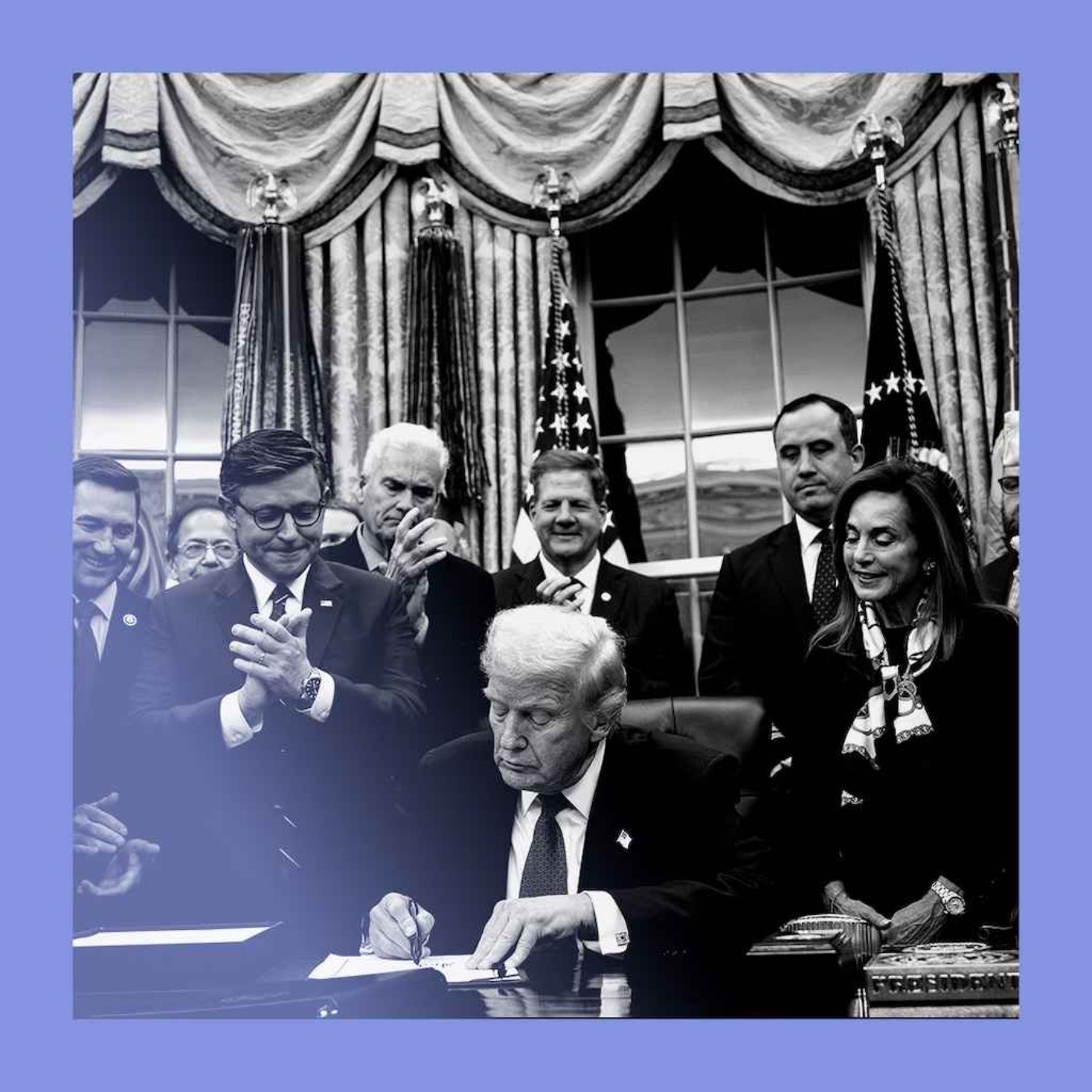
The podcast's policy expert makes a bold forecast of a significant leadership shake-up, predicting that the HHS Secretary, FDA Commissioner, and directors of key centers like CBER and CEDAR will not be in their roles a year from now.

Healthcare prices have risen 2.5 times more than groceries, but consumers are less sensitive to these increases. Unlike the frequent, tangible cost of eggs, infrequent medical bills make people "numb" to rising prices, masking a major source of inflation that policy changes can suddenly make visible.
Kasparov argues it's a "huge strategic mistake" to focus on the 2028 presidential race. He identifies the upcoming midterm elections as the true inflection point. Their outcome will "prepare the landscape" and represent the most critical opportunity to legislatively check executive power and alter the country's political trajectory.
