Get your free personalized podcast brief
We scan new podcasts and send you the top 5 insights daily.
Even if NVIDIA and TSMC solve wafer shortages, the AI industry faces a looming energy (watt) bottleneck. The inability to power new data centers could cap AI growth, shifting the primary constraint from semiconductor manufacturing to energy infrastructure and supply.

Related Insights
The primary bottleneck for scaling AI over the next decade may be the difficulty of bringing gigawatt-scale power online to support data centers. Smart money is already focused on this challenge, which is more complex than silicon supply.

The primary constraint on AI development is shifting from semiconductor availability to energy production. While the US has excelled at building data centers, its energy production growth is just 2.4%, compared to China's 6%. This disparity in energy infrastructure could become the deciding factor in the global AI race.

Pat Gelsinger contends that the true constraint on AI's expansion is energy availability. He frames the issue starkly: every gigawatt of power required by a new data center is equivalent to building a new nuclear reactor, a massive physical infrastructure challenge that will limit growth more than chips or capital.

Contrary to the common focus on chip manufacturing, the immediate bottleneck for building new AI data centers is energy. Factors like power availability, grid interconnects, and high-voltage equipment are the true constraints, forcing companies to explore solutions like on-site power generation.

While the world focused on GPU shortages, the real constraint on AI compute is now physical infrastructure. The bottleneck has moved to accessing power, building data centers, and finding specialized labor like electricians and acquiring basic materials like structural steel. Merely acquiring chips is no longer enough to scale.
While semiconductor access is a critical choke point, the long-term constraint on U.S. AI dominance is energy. Building massive data centers requires vast, stable power, but the U.S. faces supply chain issues for energy hardware and lacks a unified grid. China, in contrast, is strategically building out its energy infrastructure to support its AI ambitions.

While chip production typically scales to meet demand, the energy required to power massive AI data centers is a more fundamental constraint. This bottleneck is creating a strategic push towards nuclear power, with tech giants building data centers near nuclear plants.

According to Arista's CEO, the primary constraint on building AI infrastructure is the massive power consumption of GPUs and networks. Finding data center locations with gigawatts of available power can take 3-5 years, making energy access, not technology, the main limiting factor for industry growth.

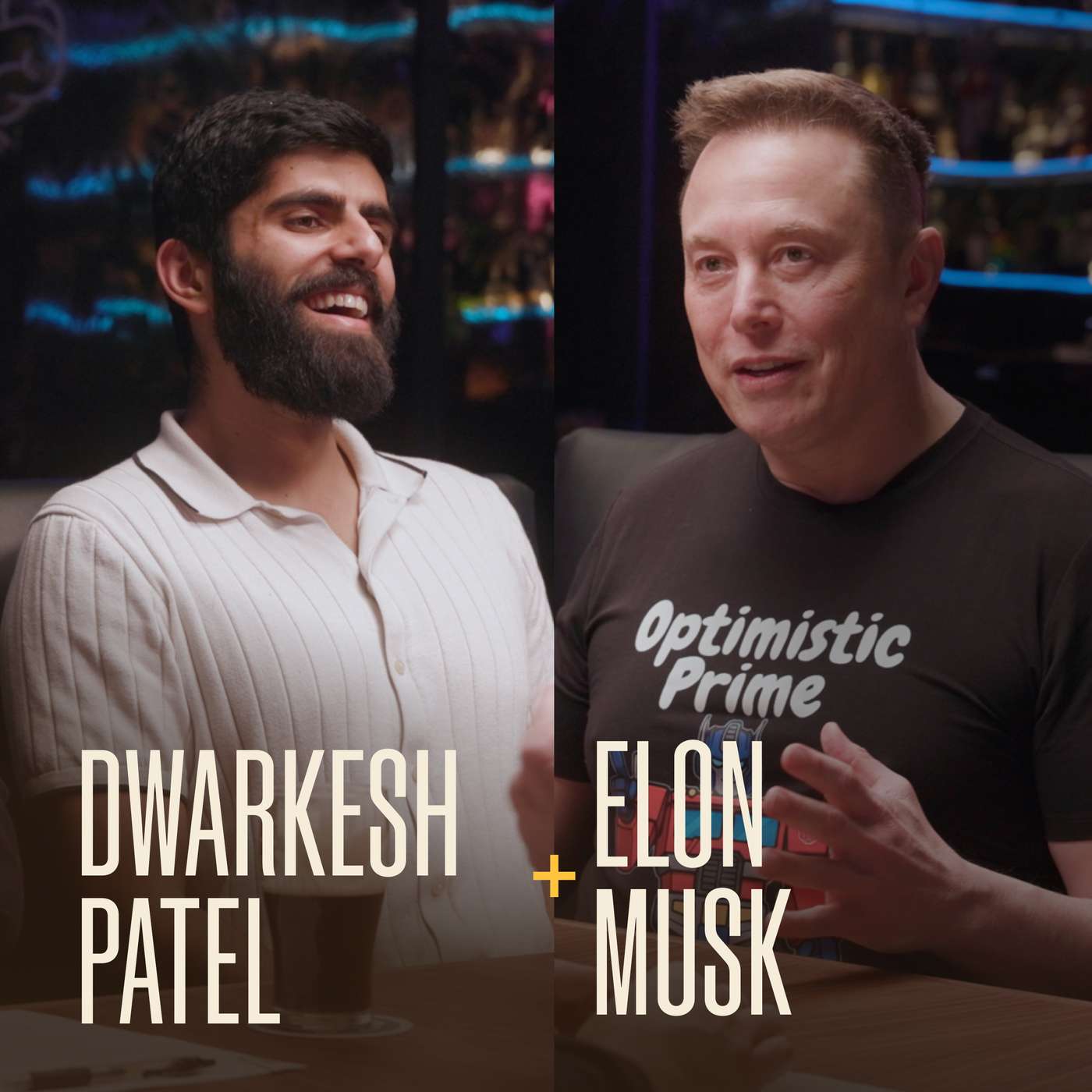
Musk argues that by the end of 2024, the primary constraint for large-scale AI will no longer be the supply of chips, but the ability to find enough electricity to power them. He predicts chip production will outpace the energy grid's capacity, leaving valuable hardware idle and creating a new competitive front based on power generation.
As hyperscalers build massive new data centers for AI, the critical constraint is shifting from semiconductor supply to energy availability. The core challenge becomes sourcing enough power, raising new geopolitical and environmental questions that will define the next phase of the AI race.