Get your free personalized podcast brief
We scan new podcasts and send you the top 5 insights daily.
StarCloud's go-to-market for its orbiting data centers focuses on a "sweet spot" of AI workloads. It excludes high-intensity training and low-latency inference, targeting business process automation and code generation that can tolerate the ~50ms+ latency of space compute.

Related Insights
The physical distance of space-based data centers creates significant latency. This delay renders them impractical for real-time applications like crypto mining, where a block found in space could be orphaned by the time the data reaches Earth. Their best use is for asynchronous, large-scale computations like AI training.

Until launch costs drop, Starcloud's initial customers are military and earth observation satellites that are bottlenecked by data downlink capacity. By processing data in space, Starcloud solves this problem and can charge premium rates, building a sustainable business while waiting for the larger market to become viable.
From a first-principles perspective, space is the ideal location for data centers. It offers free, constant solar power (6x more irradiance) and free cooling via radiators facing deep space. This eliminates the two biggest terrestrial constraints and costs, making it a profound long-term shift for AI infrastructure.
![Gavin Baker - Nvidia v. Google, Scaling Laws, and the Economics of AI - [Invest Like the Best, EP.451] thumbnail](https://megaphone.imgix.net/podcasts/d97fee14-d4d7-11f0-8951-8324b640c1c1/image/d3a8b5ecbf3957de5b91f278a191c9ff.jpg?ixlib=rails-4.3.1&max-w=3000&max-h=3000&fit=crop&auto=format,compress)
The biggest limiting factor for AI growth is energy production, which faces regulatory hurdles and physical limits on Earth. By moving data centers to space with solar power, Elon Musk aims to create an 'N of one' advantage, escaping terrestrial constraints to build a near-infinite compute infrastructure.

Projections based on SpaceX's launch cost reductions indicate that deploying AI data centers in space will become as economical as building them on Earth by 2035. This transforms a science fiction concept into a near-term business reality, driven by advantages like superior cooling and unlimited solar power.

The two largest physical costs for AI data centers—power and cooling—are essentially free and unlimited in space. A satellite can receive constant, intense solar power without needing batteries and use the near-absolute zero of space for cost-free cooling. This fundamentally changes the economic and physical limits of large-scale computation.

The expansion of humanity to the Moon and Mars, using robotics for base-building and mining, will necessitate vast, local computing resources. It is more efficient to process data in space than to transmit it to Earth, creating an inevitable new frontier for data infrastructure.
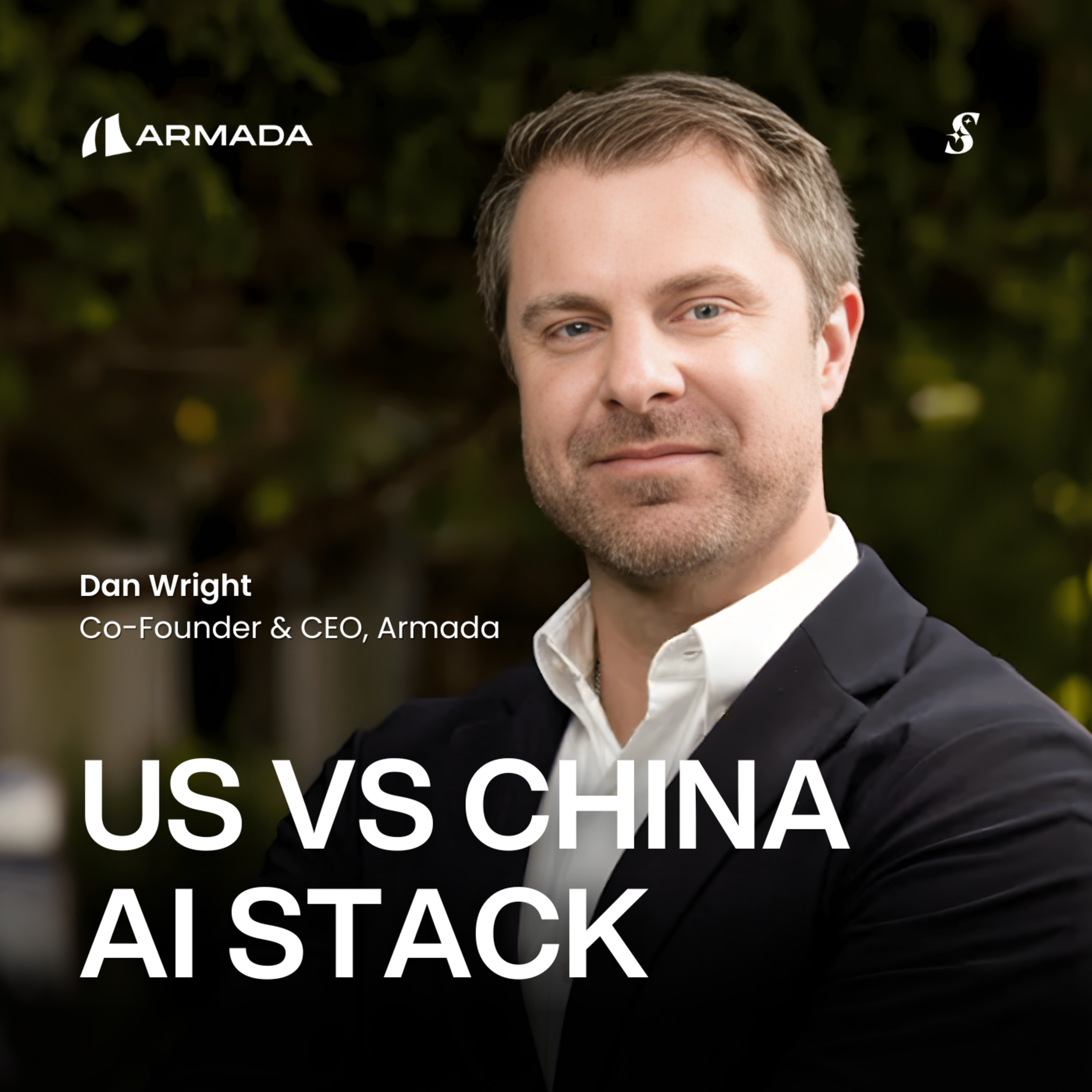
The merger leverages SpaceX's heavy launch capabilities to deploy space-based data centers for xAI, capitalizing on abundant solar power and the vacuum of space for cooling. This creates a massive competitive advantage by eliminating terrestrial energy and real estate costs.
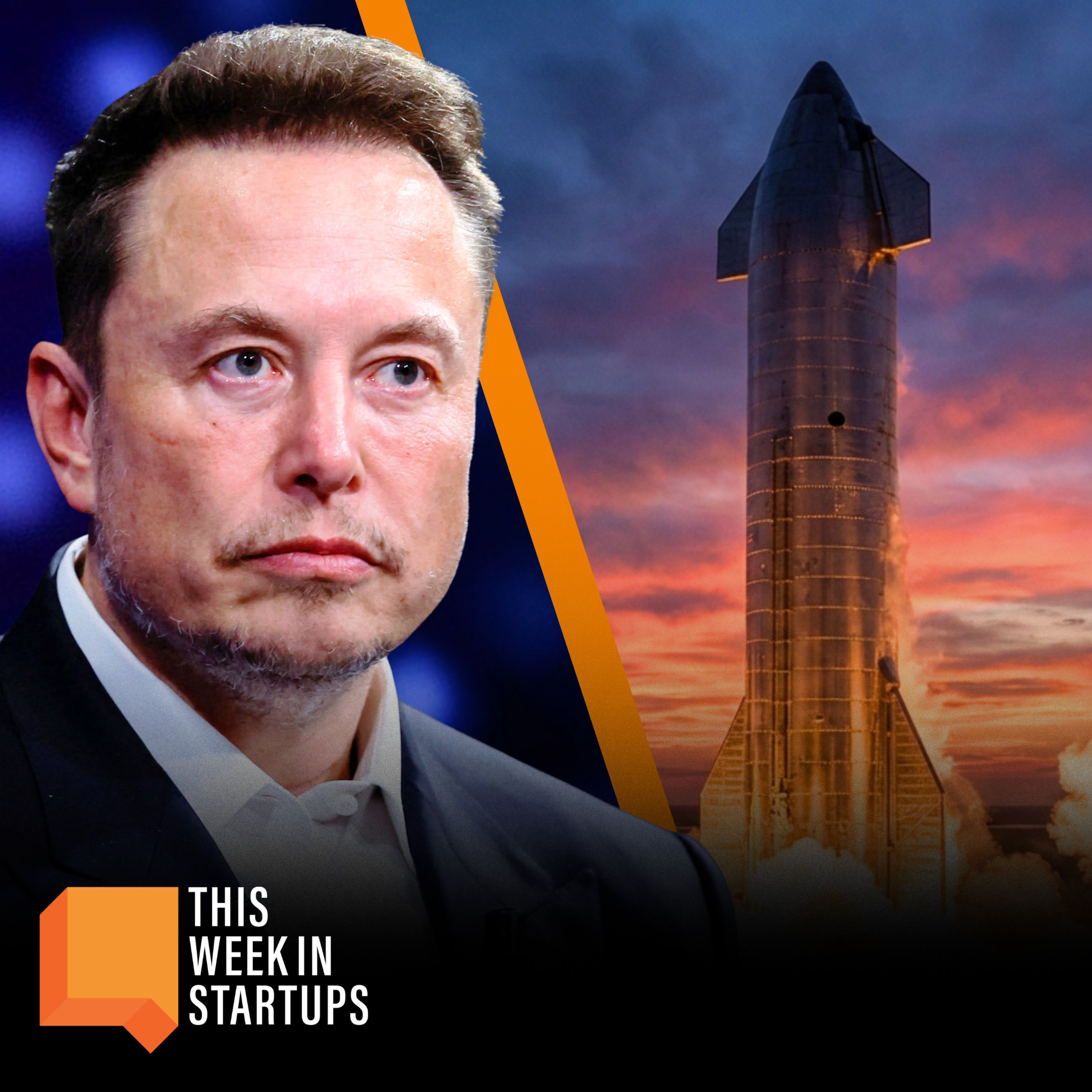
The exponential growth of AI is fundamentally constrained by Earth's land, water, and power. By moving data centers to space, companies can access near-limitless solar energy and physical area, making off-planet compute a necessary step to overcome terrestrial bottlenecks and continue scaling.

The astronomical power and cooling needs of AI are pushing major players like SpaceX, Amazon, and Google toward space-based data centers. These leverage constant, intense solar power and near-absolute zero temperatures for cooling, solving the biggest physical limitations of scaling AI on Earth.