Get your free personalized podcast brief
We scan new podcasts and send you the top 5 insights daily.
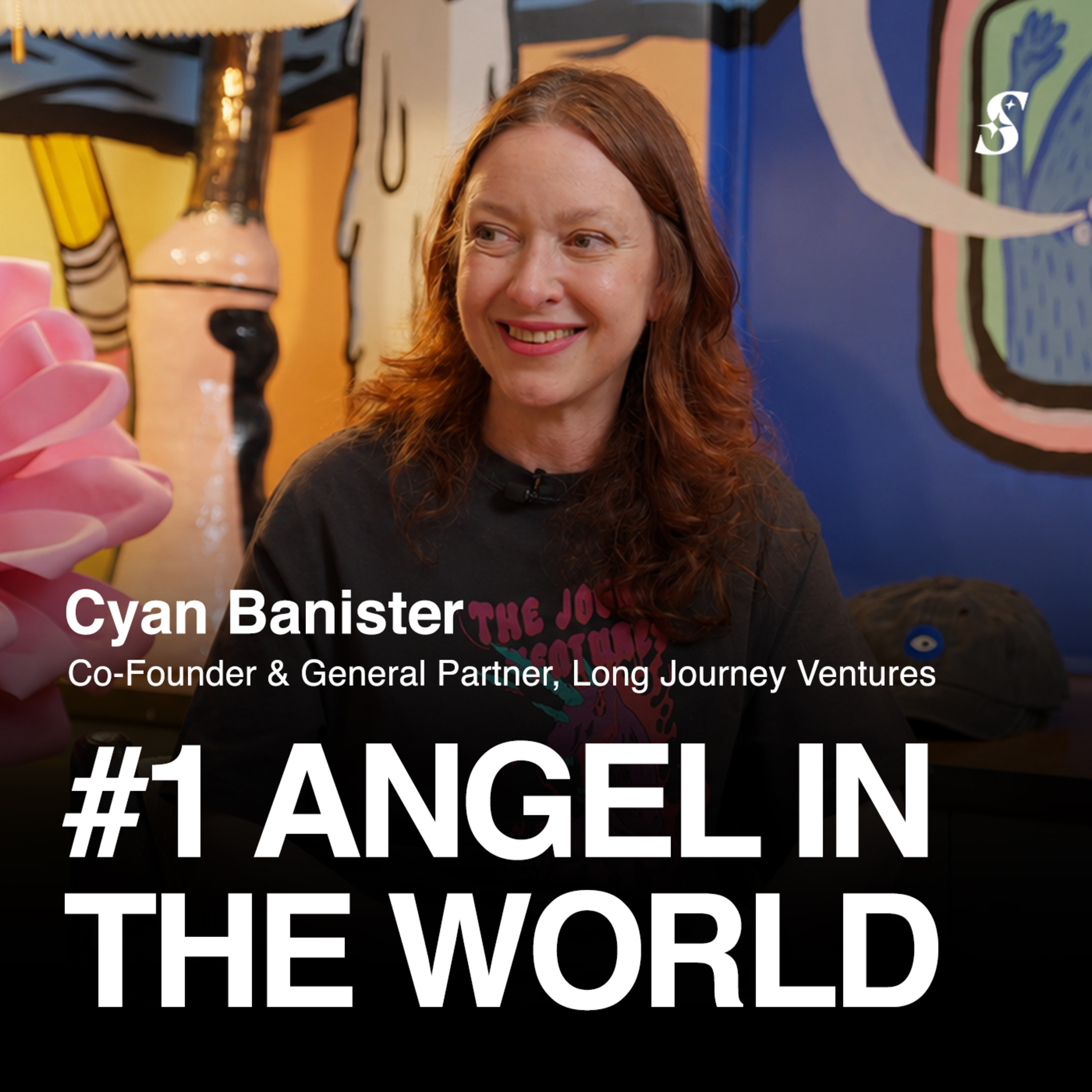
Amidst AI-driven automation, Cyan Banister is skeptical about the value of traditional schooling for non-medical fields. She predicts a rise in artisanship and creativity, as these are uniquely human skills that AI cannot yet replicate authentically.
Related Insights
As AI handles more routine tasks, uniquely human skills like creativity, strategic thinking, clear communication, and collaboration are becoming table stakes. These former "soft skills" are now mandatory for career growth and resilience.

As AI automates technical fields like coding and even scientific discovery, cultural and economic value will shift to areas where human connection is irreplaceable, such as literature, art, and curation. This creates a 'revenge of the humanities' scenario where uniquely human skills become paramount.

AI will empower creators by allowing them to translate ideas directly into finished products, bypassing traditional technical skill requirements like musical rhythm or film production. This shift will place a premium on raw creativity and vision over trained execution.

As AI handles analytical tasks, the most critical human skills are those it cannot replicate: setting aspirational goals, applying nuanced judgment, and demonstrating true orthogonal creativity. This shifts focus from credentials to raw intrinsic talent.

Once AGI can perform any intellectual task, the remaining value for humans lies in what is uniquely human: emotional resonance, empathy, and shared experience. Jobs centered on these skills, like nursing and creative arts, will thrive.

The long-standing career advice to pursue computer science is no longer universally applicable. As AI tools increasingly automate software development, coding is becoming a 'solved problem.' The most valuable skills for the next generation will be creativity, design, and business problem-solving, rather than deep engineering expertise.

Traditional education focuses on solving well-defined problems, a task increasingly handled by AI. The crucial skill for the next generation is creativity and Socratic dialogue—the ability to ask the right questions and imagine what the future could look like.
AI will commoditize the *act* of creating content (the 'doing'). The value will shift entirely to the *idea* behind the content (the 'thinking'), making strategic creativity the most valuable skill.
As AI drives the cost of utilitarian goods toward zero, a new economy will emerge driven by human preference for artisanal, story-driven products. This fosters a future with far fewer corporate jobs but millions more "micro-entrepreneurs" who thrive based on unique human skills like baking or craftsmanship, not efficiency.

Sam Harris argues that as AI automates technical and cognitive tasks like coding, the most valuable human jobs will be those where human creation and curation are intrinsically prized. This will cause a "revenge of the humanities," making degrees in arts and culture more relevant.
