Get your free personalized podcast brief
We scan new podcasts and send you the top 5 insights daily.
In an AI-driven world, education and career development must shift focus from deep, narrow knowledge (which AI can replicate) to 'horizontal skills.' These include critical thinking, reasoning, and judgment—essentially, knowing the right questions to ask the AI model to get the best results.

Related Insights
AI has made knowledge—the ability to produce information—cheap and accessible. The new currency is wisdom: knowing what matters, where to focus, and how to find purpose. This shifts the focus of work and education from learning facts to developing critical thinking, empathy, and judgment.

The most durable skills in the AI era are emotional intelligence, interpersonal communication, and critical thinking. It boils down to knowing what questions to ask the AI, what to do with the answers it provides, and how to learn from it, effectively framing problems for the machine to solve.

As AI handles more routine tasks, uniquely human skills like creativity, strategic thinking, clear communication, and collaboration are becoming table stakes. These former "soft skills" are now mandatory for career growth and resilience.

AI will outperform any hyper-specialized human. To remain relevant, individuals should cultivate a broad range of knowledge. The full quote, "A jack of all trades is a master of none, but most times better than a master of one," becomes a career survival guide in the AI era.

As AI outsources thinking, specific job "skills" have a shorter shelf life. The new focus for education and corporate training must be on developing durable human "capabilities"—critical thinking, collaboration, and discerning truth from falsehood—that are necessary to effectively manage and leverage an AI superpower.
As AI handles analytical tasks, the most critical human skills are those it cannot replicate: setting aspirational goals, applying nuanced judgment, and demonstrating true orthogonal creativity. This shifts focus from credentials to raw intrinsic talent.
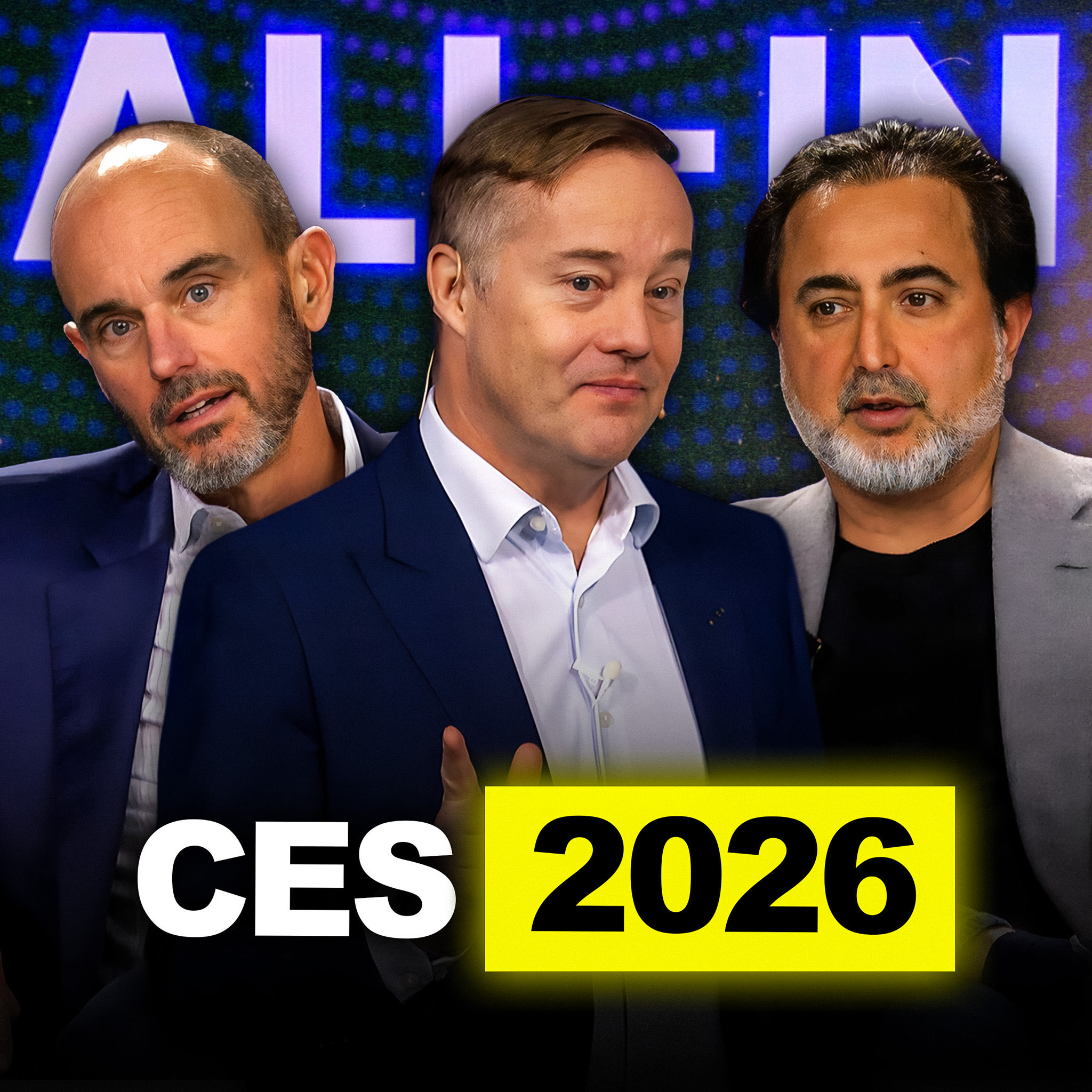
Vinod Khosla advises that as AI is poised to automate 80% of jobs, the most critical career skill is not expertise in one domain but the meta-skill of learning new fields quickly and thinking from first principles.

Traditional education focuses on solving well-defined problems, a task increasingly handled by AI. The crucial skill for the next generation is creativity and Socratic dialogue—the ability to ask the right questions and imagine what the future could look like.
Palantir CEO Alex Karp argues that as AI commoditizes rote knowledge, the most valuable human assets become vocational training and "neurodivergence"—the ability to think differently, be an artist, and generate unique insights. Standardized, regurgitative skills that defined past success are rapidly losing their value.

As AI masters specialized knowledge, the key human advantage becomes the ability to connect ideas across different fields. A generalist can use AI as a tool for deep dives on demand, while their primary role is to synthesize information from multiple domains to create novel insights and strategies.
